KEY TAKEAWAYS
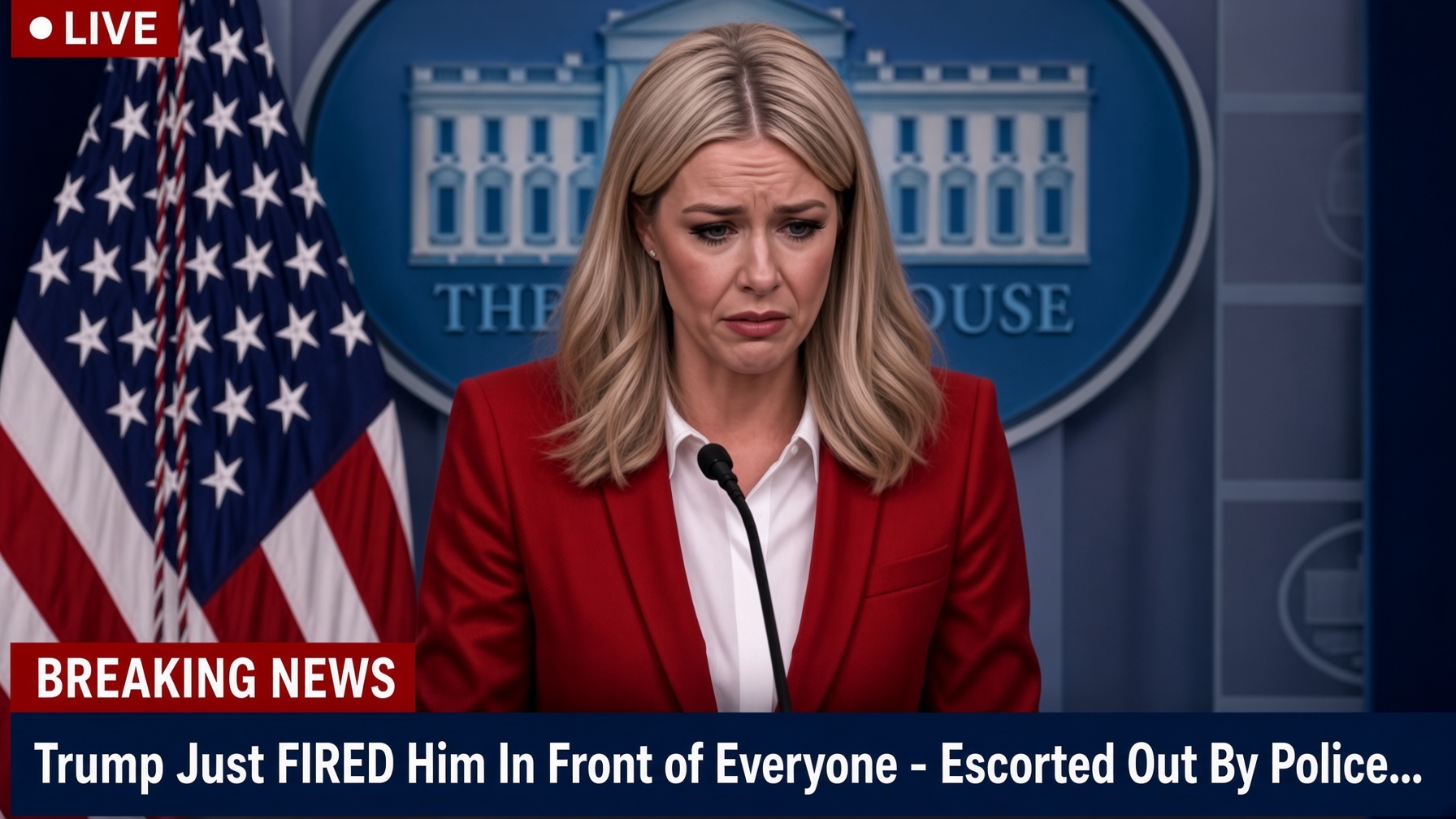
- Acting FEMA Administrator Cameron Hamilton has been removed from his position following public defense of the agency during congressional testimony
- The Trump administration is pursuing significant restructuring to shift disaster response responsibilities to state governments
- Hamilton’s departure signals an accelerated push to reshape FEMA’s leadership and operational mission
- The move intensifies debate over federalism in emergency management and the proper role of Washington in disaster response
The Trump administration has removed Cameron Hamilton from his role as acting administrator of the Federal Emergency Management Agency, marking a significant personnel shift as the White House pursues sweeping reforms to reshape how America handles disaster response.
Hamilton’s dismissal follows testimony before Congress in which he defended FEMA’s current structure and questioned proposals that would substantially diminish or dismantle the federal agency’s authority. His public statements reportedly conflicted with the administration’s strategic objective to substantially transfer emergency management responsibilities to individual states.
Administration’s Restructuring Vision
Trump administration officials have outlined an ambitious plan to decentralize disaster response operations, arguing that state governments are better positioned to address emergencies affecting their communities. “States should assume greater responsibility for preparing for and responding to disasters,” administration officials contend, suggesting that excessive federal involvement creates unnecessary bureaucratic delays and wasteful spending.
The restructuring strategy would vest states with expanded authority over disaster planning, emergency operations and recovery efforts. Under this framework, the federal government would provide targeted assistance only when circumstances demonstrably exceed state capacity to respond independently.
Hamilton’s Defense of Federal Authority
During congressional testimony, Hamilton emphasized FEMA’s critical role in coordinating national disaster responses and delivering assistance when emergencies overwhelm state and local resources. His defense of the agency’s current operational model directly challenged the administration’s decentralization agenda.
“FEMA provides capabilities that many individual states cannot easily replicate,” emergency management professionals have argued, citing the agency’s ability to mobilize personnel, equipment, funding and logistical coordination across multiple jurisdictions simultaneously.
Ongoing Scrutiny of Agency Operations
FEMA faces heightened scrutiny over expenditures and operational decisions, particularly regarding pandemic-era spending on migrant housing. Trump administration officials have cited these controversies as justification for comprehensive agency reform and enhanced oversight mechanisms.
“The federal government should focus its resources on clearly defined emergency responsibilities while giving states greater control over disaster preparedness and recovery,” administration spokespeople have stated, framing the restructuring as both fiscally responsible and operationally efficient.
Critics Warn of Vulnerability Gaps
Emergency management professionals and congressional Democrats have raised concerns about the decentralization approach. “Large-scale disasters can quickly overwhelm state resources, particularly when multiple states are affected simultaneously,” critics argue, pointing to major hurricanes, catastrophic wildfires and widespread flooding as examples requiring massive coordination.
Opponents of the restructuring plan warn that weakening federal coordination mechanisms could create dangerous gaps in emergency response capacity during catastrophic events that exceed individual state resources.
The Larger Federalism Debate
Hamilton’s removal represents another escalation in the fundamental disagreement between the Trump administration and its critics over how the United States should organize disaster response operations. The administration views excessive federal authority as creating inefficiency and unnecessary expenditure, while opponents contend that federal coordination remains indispensable for managing truly catastrophic emergencies.
Congress is expected to remain deeply involved in determining FEMA’s future structure and mission parameters. The outcome of this debate will shape how federal disaster assistance reaches millions of Americans during the next major emergency.
Fox News Digital / CelebBNews contributed to this report.