KEY TAKEAWAYS
- Reports of military personnel refusing duty assignments emerged early Wednesday, though official Pentagon confirmation remains pending
- Concerns center on proposed military operations targeting critical infrastructure, with legal experts questioning international law compliance
- Congressional lawmakers express alarm over potential circumvention of legislative oversight on military authorization
- Analysts warn that infrastructure destruction strategies historically strengthen adversary resolve rather than weaken it
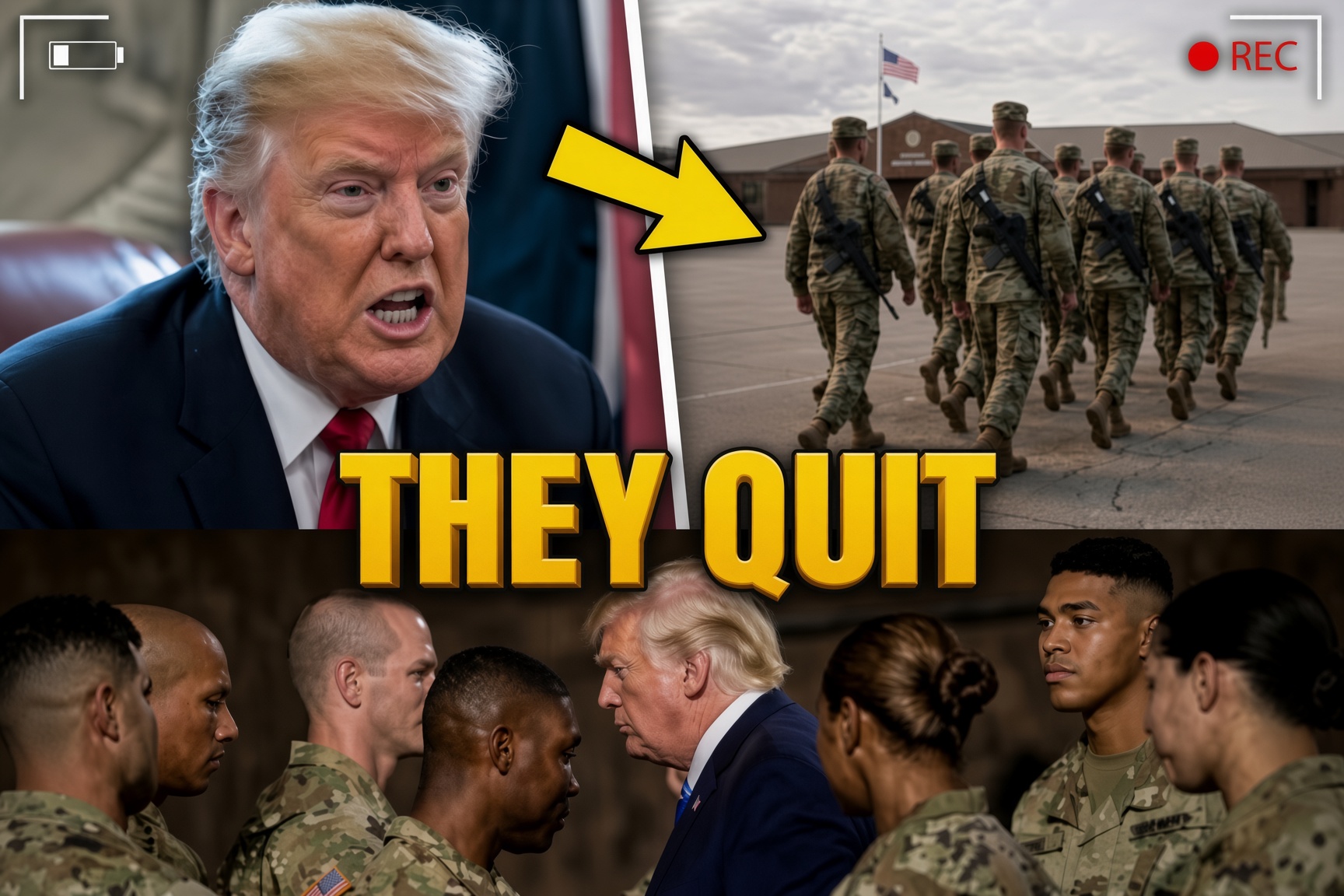
Unconfirmed reports of a significant military walkout surfaced in the early morning hours Wednesday, raising serious questions about command authority and troop morale within the Defense Department. The alleged incident coincides with escalating tensions over proposed military operations in the Middle East. Pentagon officials have not yet issued formal statements addressing the reported refusal of duty assignments.
What We Know About the Walkout Reports
Initial reports indicate that service members may have declined duty assignments beginning at approximately 4:00 a.m. Wednesday. While details remain sparse and official confirmation elusive, the alleged incident underscores mounting concerns within military ranks about the strategic direction of potential military operations. A senior defense official, speaking on condition of anonymity, acknowledged “ongoing discussions” with personnel but declined further comment.
Legal and Strategic Concerns
Constitutional scholars and military law experts have raised significant objections to proposed operations targeting civilian infrastructure. “Large-scale attacks on critical systems essential to civilian populations raise serious questions under international humanitarian law,” one legal analyst stated. Military strategists similarly warn that destroying infrastructure historically backfires. “History demonstrates that civilian infrastructure targeting often strengthens nationalist sentiment and hardens adversary resolve rather than achieving stated military objectives,” defense strategist James Mitchell noted.
Congressional Response
Lawmakers from both parties have expressed concern about potential circumvention of legislative war powers authority. “Congress must reassert its constitutional role in authorizing military action. The executive branch cannot unilaterally commit forces without proper oversight,” Sen. Chris Van Hollen stated. Republican defense hawks have split on the proposed operations, with some supporting forceful action while others caution against operations lacking clear strategic endgames.
Geopolitical Implications
Analysts warn that military pressure alone is unlikely to achieve diplomatic solutions. “Without a clearly defined exit strategy and off-ramps for de-escalation, the region faces potential protracted conflict,” according to Middle East policy experts. Back-channel diplomatic negotiations reportedly continue between international actors seeking to prevent further escalation.
Fox News Digital contributed to this report.