KEY TAKEAWAYS
- Supreme Court rules 6-3 that private plaintiffs cannot sue under the Alien Tort Statute or Torture Victim Protection Act for aiding and abetting alleged international law violations
- Decision protects American companies from foreign forum-shopping and judicial overreach in foreign policy matters
- Justice Barrett’s majority opinion emphasizes separation of powers, stating only Congress can create causes of action
- Liberal justices warn the ruling closes courthouse doors to international law violations
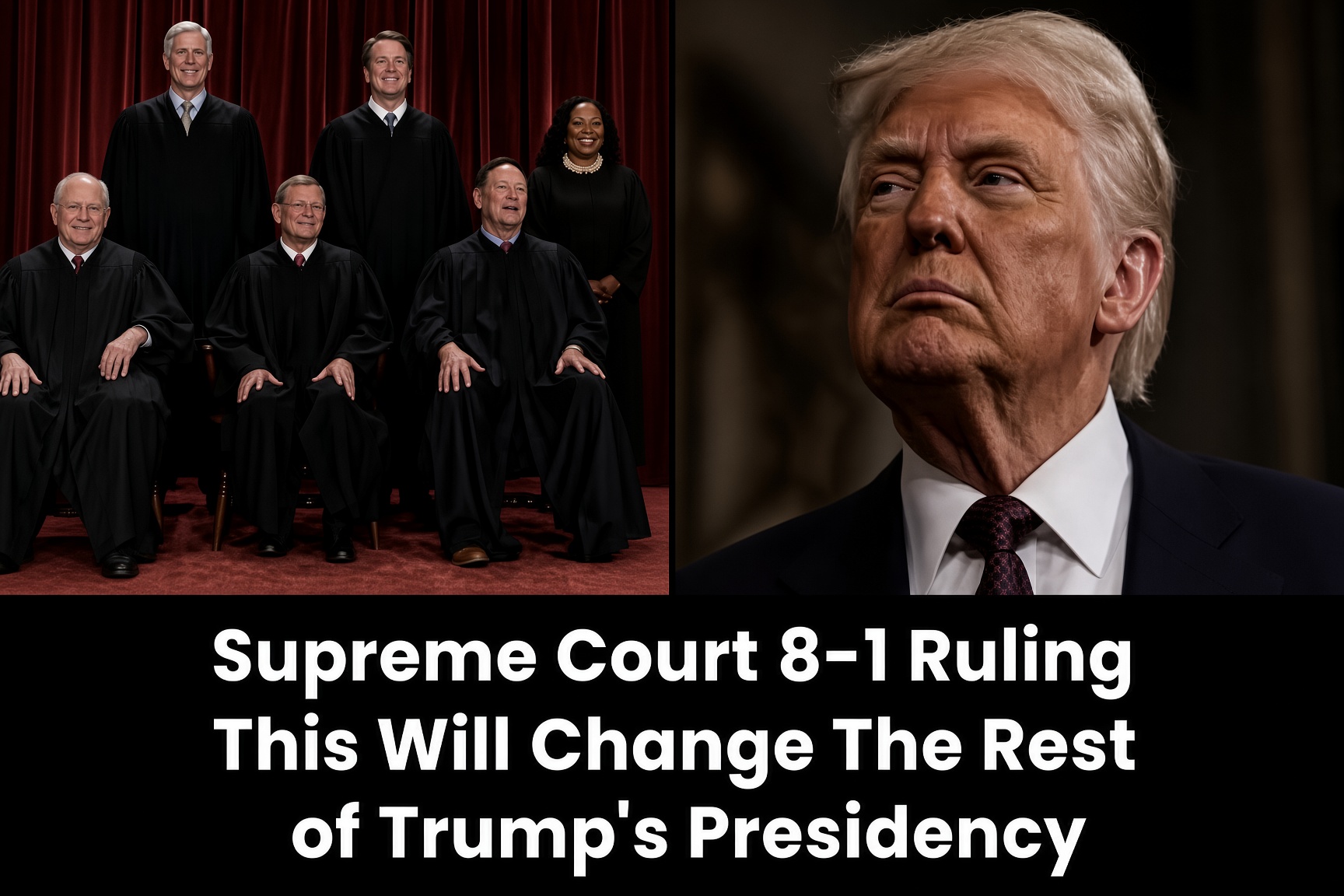
The U.S. Supreme Court delivered a decisive victory for American business interests and constitutional restraint on Tuesday, ruling 6-3 that federal courts cannot manufacture liability for aiding and abetting violations of international law. The landmark decision in Cisco Systems, Inc. v. Doe strikes down a two-decade trend of expansive judicial activism that has weaponized U.S. courtrooms against domestic companies facing frivolous claims by foreign plaintiffs.
The Ruling and Its Impact
Justice Amy Coney Barrett, writing for the majority, made clear the judiciary’s proper boundaries: “Today, we close the door that Sosa cracked and hold that courts may not create new causes of action for violations of international norms. We also hold that the Torture Victim Protection Act of 1991, which contains an express cause of action, does not provide for aiding-and-abetting liability,” Barrett wrote.
Joined by Chief Justice John Roberts and Justices Clarence Thomas, Samuel Alito, Neil Gorsuch, and Brett Kavanaugh, Barrett emphasized the Constitution’s separation of powers doctrine. “The power to create causes of action belongs to Congress… Creating any cause of action ‘is an extraordinary act that places great stress on the separation of powers,'” she noted, warning that judge-made liability risks “adverse foreign policy consequences.”
What the Case Involved
The dispute centered on claims by Falun Gong practitioners alleging that Cisco Systems and its executives aided Chinese government persecution by selling networking equipment later used in surveillance operations. The Ninth Circuit had allowed the claims to proceed, threatening the technology firm with years of costly litigation and potential liability for lawful commercial activity.
The Trump administration aggressively supported Cisco’s position, with the Solicitor General participating in oral arguments to urge the Court to reject judicial overreach. “This case represents a critical protection for American innovation and prevents foreign adversaries from weaponizing our own legal system against our companies,” a Trump administration official stated during briefings.
Conservative Legal Victory
The decision represents a triumph for textualism and originalism-judicial philosophies emphasizing what laws actually say rather than what activist judges wish they meant. By rejecting implied aiding-and-abetting liability under both statutes, the Court has slammed shut a courthouse door that plaintiffs’ lawyers and hostile foreign interests have exploited for decades.
“Companies like Cisco can now conduct lawful international commerce without fear of endless ‘international norm’ litigation conjured up by creative legal theories,” a business advocacy spokesman said. “This ruling restores predictability to international commerce and prevents judges from conducting foreign policy through private litigation.”
Liberal Justices’ Dissent
Justice Sonia Sotomayor, joined in key parts by Justices Elena Kagan and Ketanji Brown Jackson, warned the majority had gone too far. “The majority jettisons two decades of settled precedent and forecloses future reliance on Sosa, shutting the courthouse doors to almost any claimed violation of international law under the ATS,” Sotomayor wrote in dissent.
Justice Jackson offered a more limited critique, concurring on the Alien Tort Statute narrowing but suggesting Congress intended the Torture Victim Protection Act to encompass some aiding-and-abetting scenarios. “Because the plain text of this statute includes individuals who aid and abet the victim’s torture, I would affirm the Ninth Circuit’s judgment on this score as well,” Jackson wrote.
Broader Implications
The ruling arrives amid intensifying global competition with adversaries like Communist China, where American technological firms have faced consistent legal threats. By restoring proper constitutional boundaries between the judiciary and executive-legislative branches on foreign policy, the Court has protected U.S. companies from being drafted into asymmetrical legal warfare.
Experts note the decision will significantly reduce legal uncertainty for American enterprises conducting international operations, lower litigation costs that previously chilled innovation, and prevent foreign plaintiffs from exploiting U.S. courts as weapons against domestic competitors.
Fox News Digital / CelebBNews contributed to this report.