KEY TAKEAWAYS
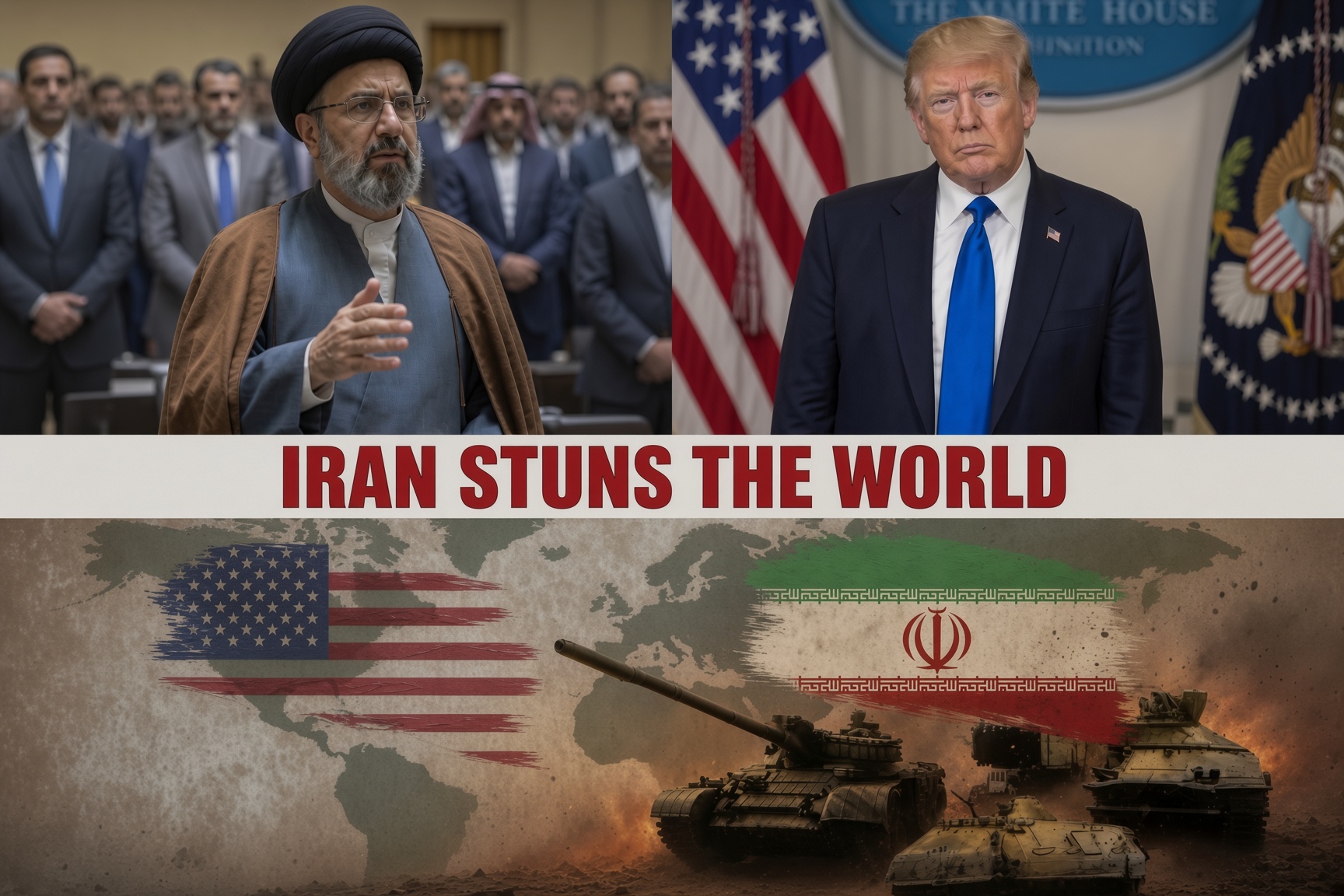
- The Trump administration is finalizing a potential agreement with Iran to end the ongoing conflict, with negotiations progressing through diplomatic channels in Qatar
- Secretary of State Marco Rubio emphasized that the Strait of Hormuz “has to be open” and called Iran’s closure of the waterway “unlawful, illegal, unsustainable for the world, and unacceptable”
- U.S. Central Command conducted “self-defense strikes” against Iranian missile facilities and naval assets near Bandar Abbas to protect American personnel and maintain the cease-fire framework
- The proposed agreement would require Iran to eliminate enriched uranium stockpiles, reopen critical maritime routes, and accept strict nuclear limits in exchange for lifting the naval blockade and phased sanctions relief
The Trump administration is moving closer to finalizing a comprehensive framework aimed at resolving the standoff with Iran, as high-level negotiations intensify through back-channel discussions in Doha. Secretary of State Marco Rubio confirmed that U.S. and Iranian representatives are actively engaged in talks to conclude a preliminary agreement that would address both nuclear concerns and regional stability. The administration has signaled it remains committed to achieving what President Trump described as a “good and proper” deal while maintaining a firm posture on American security interests.
Secretary Rubio Demands Strait of Hormuz Reopened
During a diplomatic visit to India, Secretary Rubio made clear that reopening the Strait of Hormuz remains a non-negotiable priority for the United States. “The strait has to be open,” Rubio stated emphatically. “Iran’s blockade is unlawful, illegal, unsustainable for the world, and unacceptable.” The closure of this critical energy corridor has created significant disruptions to global markets and threatens the economic interests of nations worldwide, making its reopening central to any settlement.
Military Operations Continue Amid Negotiations
Even as diplomacy progressed, U.S. Central Command revealed that American forces executed what officials described as “self-defense strikes” targeting Iranian missile installations and naval vessels in southern Iran. Capt. Tim Hawkins explained that the operation focused on Iranian capabilities allegedly being deployed to place naval mines near essential maritime routes. “These strikes were conducted to protect American personnel and assets while upholding our commitment to the broader cease-fire framework,” a senior defense official stated. The operations occurred near the major Iranian naval installation at Bandar Abbas, where U.S. aircraft and naval forces had detected threats from Iranian surface-to-air missile systems in the Gulf of Oman and Arabian Sea.
Key Agreement Framework Takes Shape
According to senior administration officials, negotiators have made substantial progress on a proposed framework that would fundamentally reshape Iran’s nuclear posture. The agreement would require Tehran to eliminate its stockpile of highly enriched uranium, accept stringent limits on future uranium enrichment activities, and reopen the Strait of Hormuz to international commerce. In exchange, the United States would lift its naval blockade and implement a phased reduction of economic sanctions. “We’re focused on creating a long-term, verifiable agreement with strong enforcement mechanisms,” an administration official confirmed.
Iranian Response and Remaining Obstacles
Iran’s Foreign Ministry spokesman Esmaeil Baqaei acknowledged that Tehran and Washington have identified areas of mutual understanding but cautioned that a final agreement remains incomplete. “The United States continues to shift its negotiating positions,” Baqaei claimed, suggesting that Tehran views American demands as moving targets. Despite the Iranian skepticism, officials on both sides indicated that major political issues have been resolved in principle, with technical details, verification procedures, and enforcement mechanisms still requiring attention.
Administration Cites Military Pressure as Catalyst for Progress
The Trump administration believes that recent military operations have significantly increased Iran’s motivation to reach a negotiated settlement. Administration officials attribute the diplomatic momentum to the credible military deterrent backed by American forces positioned throughout the region. President Trump reinforced this messaging by contrasting the emerging framework with the 2015 nuclear deal, which he has consistently criticized. “That previous agreement gave Iran economic relief without guaranteeing they wouldn’t pursue nuclear weapons,” Trump noted. The new proposed agreement reportedly includes stricter restrictions on Iran’s nuclear program than the Obama-era accord, reflecting the administration’s determination to secure a more comprehensive and enforceable settlement that protects American interests and regional stability.
Fox News Digital / CelebBNews contributed to this report.