President Trump outlined final conditions for an Iran nuclear agreement and said he would meet in the Situation Room to make a final determination on the deal.
White House officials confirmed yesterday that U.S. and Iran negotiators had reached a memorandum of understanding, though Trump has not yet approved it. Iran has denied granting final approval, and Israel believes Supreme Leader Mojtaba Khamenei has not signed off on the agreement.
Trump’s Stated Conditions
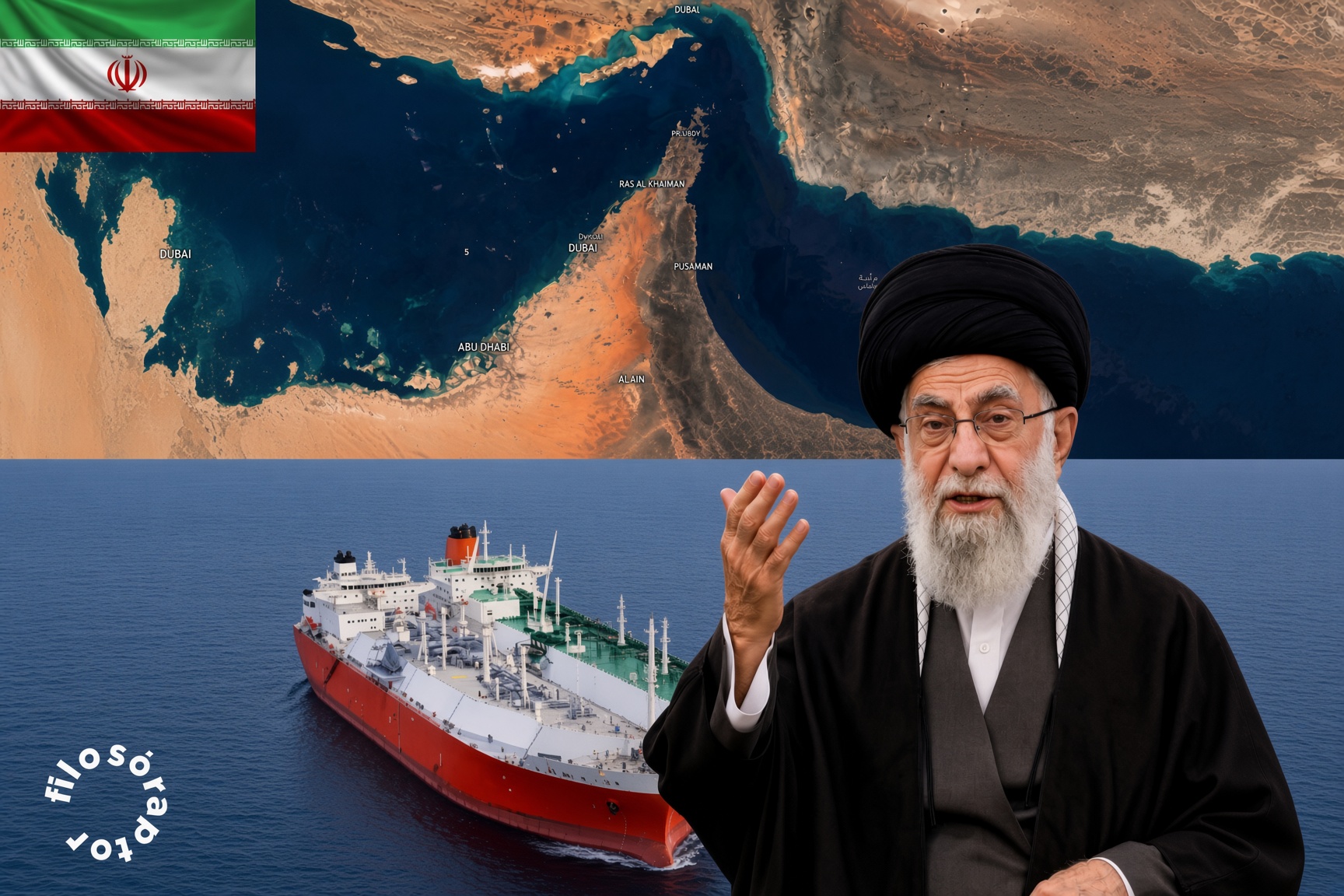
Trump posted his requirements on Truth Social, stating that “Iran must agree that they will never have a nuclear weapon or bomb.” He also demanded that “the Hormuz Strait must be immediately open, no tolls, for unrestricted shipping traffic, in both directions.”
The president specified that all water mines in the strait “will be terminated” and that “Iran will complete the immediate removal and/or detonation of any mines that are left,” according to his post. Trump noted that ships stranded by the U.S. naval blockade “may start the process of ‘heading home.'”
Trump stated that nuclear material, which he referred to as “nuclear dust,” will be “unearthed” and destroyed through coordination with Iran and the United Nations’ nuclear energy agency. “No money will be exchanged, until further notice,” he added, ostensibly referring to sanctions relief Iran would receive once the deal is signed.
🚨 JUST IN: PRESIDENT TRUMP SURGES TO THE SITUATION ROOM
An Iran deal is VERY CLOSE, Trump just laid out his FINAL conditions that are full-blown America First and says he is going to make a final determination
Nuclear dust to be retrieved, no nuclear weapon, Strait will open,… pic.twitter.com/3UanSlfd4W
— Eric Daugherty (@EricLDaugh) May 29, 2026
The Ceasefire Extension
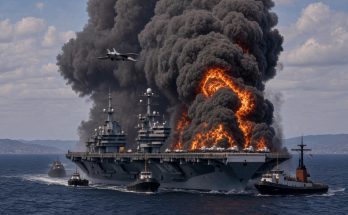
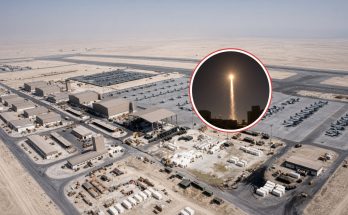
Reports broke this week indicating that the United States and Iran had agreed to extend their ceasefire for an additional 60 days while negotiations over Tehran’s nuclear program continue. The agreement follows weeks of heightened tensions that included U.S. military strikes against Iranian targets and military exchanges involving Iran and several Gulf states.
The arrangement preserves the existing situation: a fragile ceasefire punctuated by diplomatic talks and periodic military tensions. There is currently no public indication that Tehran has accepted Trump’s central demand that Iran permanently abandon its nuclear weapons ambitions.
Background on the Conflict
The broader conflict began in late February following joint U.S.-Israeli military operations that targeted senior Iranian leadership and military infrastructure. Those operations dramatically escalated tensions across the Middle East and triggered months of instability throughout the region.
The memorandum of understanding stipulates that negotiations during the 60-day extension will address Iran’s nuclear program, including its stockpiles of highly enriched uranium. Both sides currently appear to see greater value in continued negotiations than in returning to open warfare.
This story has been updated. CNN’s staff contributed to this report.