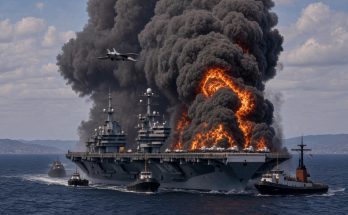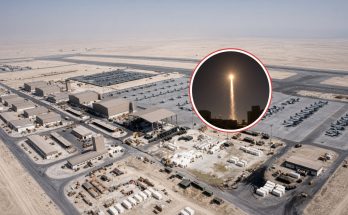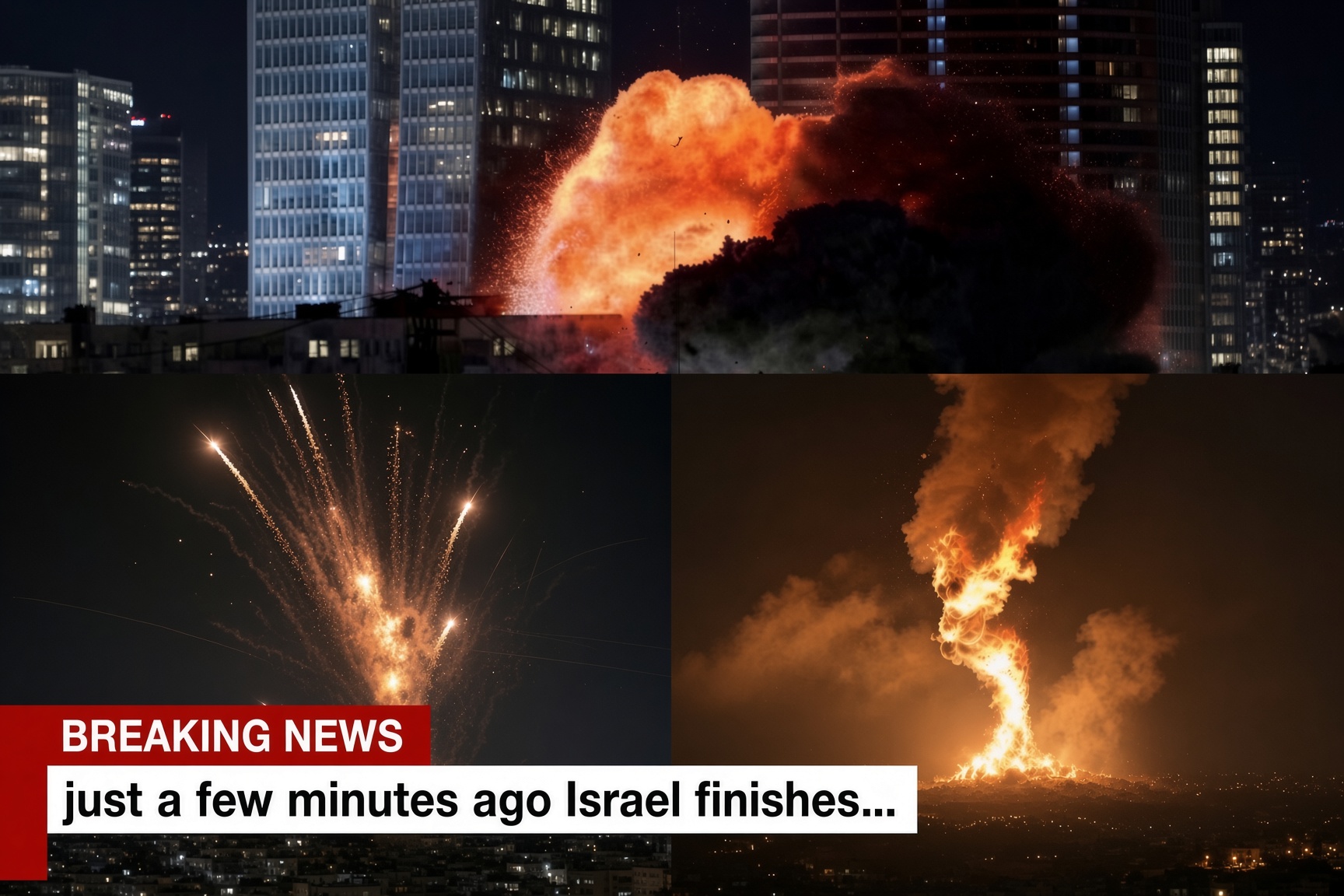
Israel and the United States launched a sweeping military offensive against Iran on February 28, 2026, targeting military infrastructure and resulting in the death of Supreme Leader Ayatollah Ali Khamenei. The operation, designated Operation Epic Fury by the United States, marked a significant escalation in decades-long tensions between the nations. U.S. Central Command said the campaign began at 1:15 a.m. Eastern time and involved strikes from air, land and sea targeting Iranian military infrastructure, missile and drone facilities, air defenses and command centers. President Donald Trump announced Khamenei’s death following the initial strikes, and Iranian state media subsequently confirmed it.
Khamenei had ruled Iran since 1989, making his death one of the most consequential political developments in the country’s modern history. The offensive followed years of Israeli and American concern over Iran’s nuclear program, ballistic-missile capabilities and support for armed groups throughout the region. Earlier military action had already damaged portions of Iran’s nuclear infrastructure, but the February operation represented a dramatic escalation from containment toward sustained military pressure. Israel said its opening strikes were designed to severely weaken Iran’s military capabilities and leadership.
Military Operations and Regional Response
U.S. officials said intelligence indicating a potential Iranian threat to American interests also influenced President Trump’s decision to authorize the operation. Iran responded with missile and drone attacks against Israel and U.S. positions across the region. American officials reported that defensive systems intercepted numerous incoming threats, while Israel deployed its missile-defense network to protect population centers. The conflict carried a heavy humanitarian cost, with Iranian authorities reporting significant civilian casualties following the opening attacks.
International organizations and governments raised concerns about damage to civilian infrastructure, though the full toll remained difficult to establish amid continuing combat. The confrontation threatened regional energy security, with Iran’s strategic position near the Strait of Hormuz raising concerns over global oil and gas shipments. Attacks and counterattacks increased uncertainty throughout Gulf markets, and by August, disputes over control of the waterway remained a major obstacle to broader diplomatic efforts.
International Reaction and Ongoing Conflict
International reactions divided sharply over the operation. Supporters argued that Iran’s nuclear and military capabilities posed a serious threat requiring decisive action, while critics warned the campaign risked prolonged regional warfare, civilian suffering and wider instability. Months after the opening strikes, the conflict remained unresolved. Attempts to establish a lasting ceasefire faced repeated setbacks, while Washington and Tehran continued to disagree over military operations, sanctions and the future of the Strait of Hormuz.
The February 28 offensive fundamentally reshaped regional security, disrupted energy markets and created a new geopolitical reality whose consequences could extend well beyond the Middle East. This story has been updated. CNN’s international desk contributed to this report.