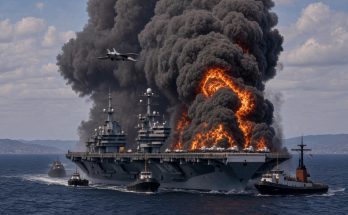
Iran’s foreign minister warned of potential retaliation after a military strike targeted the nation’s nuclear facilities, escalating tensions across the Middle East.
The strike, described by U.S. and Israeli officials as a significant blow to Iran’s nuclear program, drew swift condemnation from Tehran. Iranian Foreign Minister Abbas Araghchi characterized the attack as “outrageous” and “criminal” in official statements.
Iran’s Warning
Araghchi stated that Iran “reserves all options” in response to the operation, language widely understood as signaling potential military retaliation. The carefully worded diplomatic response masked serious implications for regional stability.
International observers interpreted the statement as a clear message that Iran would not accept the strike without consequence. The ambiguity surrounding what form any response might take intensified concerns among world leaders.
International Reaction
Western capitals expressed deep concern about the escalating situation. European diplomats warned that the crisis could trigger a broader conflict and derail decades of diplomatic efforts to contain nuclear tensions in the region.
Officials at the United Nations proceeded cautiously, aware that diplomatic missteps could further inflame an already tense environment. Representatives carefully monitored developments as governments prepared contingency plans.
What Comes Next
The international community remained focused on whether the coming days would bring de-escalation or further confrontation. Uncertainty about Iran’s next steps held profound implications for Middle Eastern security.
This story has been updated. CNN’s International Desk contributed to this report.