KEY TAKEAWAYS
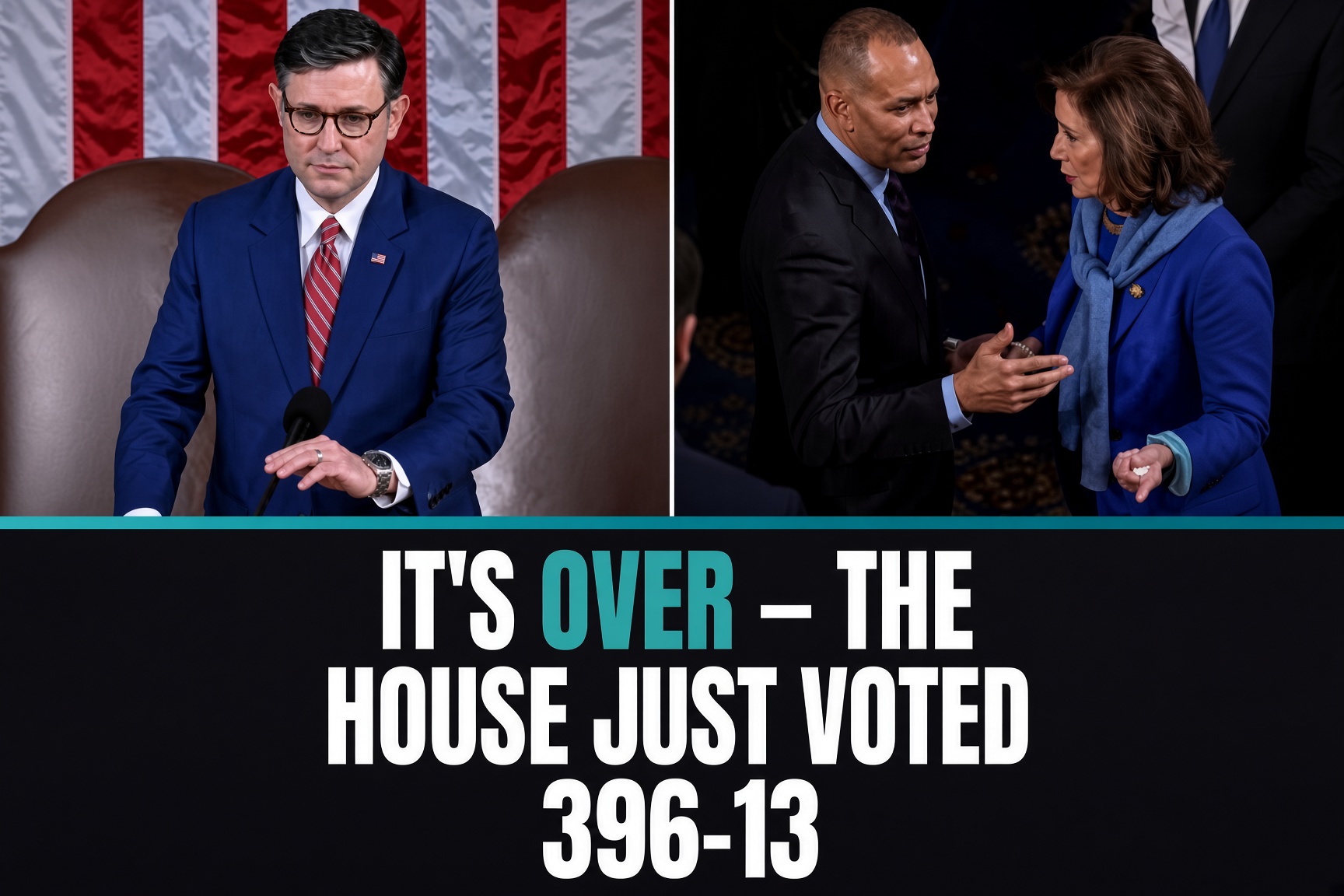
- House passes 21st Century ROAD to Housing Act with overwhelming 396-13 vote, targeting institutional investors in single-family home market
- Legislation bans large corporate buyers from purchasing newly built homes, aligning with Trump administration housing priorities
- Senate faces choice on accepting House amendments or negotiating further as bill moves to upper chamber
- Measure addresses voter concerns over affordability crisis while drawing conservative objections over digital currency provisions
The House delivered a decisive bipartisan victory Wednesday, passing sweeping housing legislation designed to combat skyrocketing costs and prevent mega-corporations from dominating the single-family home market. The 21st Century ROAD to Housing Act advanced with a commanding 396-13 margin, marking a rare moment of legislative consensus on an issue millions of American families face daily.
What House Republicans Said
Speaker Mike Johnson framed the measure as essential to addressing the affordability squeeze gripping the nation. “Increased housing costs and lack of quality supply are two issues that impact nearly every American family,” Johnson said. “This is a strong bipartisan package that will put more American families into homes.”
House Majority Leader Steve Scalise emphasized the cost-of-living relief the bill promises. “This is something that every American in this country is going to be happy to see, to have lower housing costs,” Scalise said.
House Financial Services Committee Chairman French Hill highlighted alignment with the Trump administration’s housing agenda. “This bill prioritizes American families by expanding homeownership, enhancing affordability, reducing burdensome regulations that drive up costs, and increasing housing supply nationwide,” Hill said. “Importantly, it delivers on President Trump’s call to limit institutional investors from competing with the American people as they seek to purchase a home.”
Key Provision Targets Corporate Investors
The legislation’s centerpiece restricts large institutional investors from purchasing newly constructed single-family homes, directly responding to complaints that Wall Street firms have artificially inflated housing prices nationwide. A White House official confirmed executive branch support for the approach. “The White House supports the House’s housing bill thanks to the changes that were made,” the official said.
The House rejected a more aggressive Senate provision that would have forced existing institutional landlords holding single-family rental properties to divest within seven years. Progressive Democrats including Sen. Elizabeth Warren backed the forced-sale requirement, but House members chose a narrower approach protecting future purchases without potentially destabilizing the rental market.
Conservative Concerns Over Digital Currency Language
Despite the lopsided vote, 13 Republicans voted against the package-primarily Freedom Caucus-aligned members objecting to provisions addressing central bank digital currencies rather than housing policy itself. Rep. Warren Davidson challenged the temporary nature of the digital currency restrictions. “A temporary ban is the worst of both worlds: political cover today, a clear runway tomorrow,” Davidson wrote. “Make it permanent, or take it out.”
The bill includes temporary language blocking government-backed digital currency development through 2030, but conservative skeptics worry the measure merely postpones rather than prevents future implementation.
Senate’s Next Move Uncertain
The legislation now advances to the Senate, where its path remains complicated. Because the House amended rather than passed the Senate’s original version unchanged, upper chamber lawmakers must decide whether to accept modifications, pursue additional negotiations, or allow the bill to stall entirely. The removal of forced-sale requirements for institutional landlords represents the most significant flashpoint.
The measure also faces the Senate’s 60-vote filibuster threshold, a perennial obstacle to legislative progress. Nevertheless, the House’s overwhelming bipartisan support provides substantial momentum heading into upper chamber deliberations.
Political Calculus for Both Parties
Polling data suggests the political winds favor action. Recent surveys found seven in ten voters support banning major investors owning more than 350 homes from purchasing additional residential properties. For Republicans, addressing housing affordability offers tangible campaign messaging as midterm elections approach. For Democrats, opposing investor restrictions in the housing market carries its own political risks.
Whether Senate leadership prioritizes swift passage or allows procedural gridlock could determine whether Congress delivers a housing win before voters head to the polls this fall.
Fox News Digital contributed to this report.