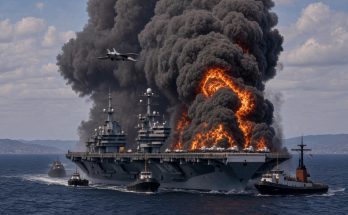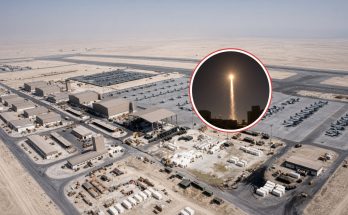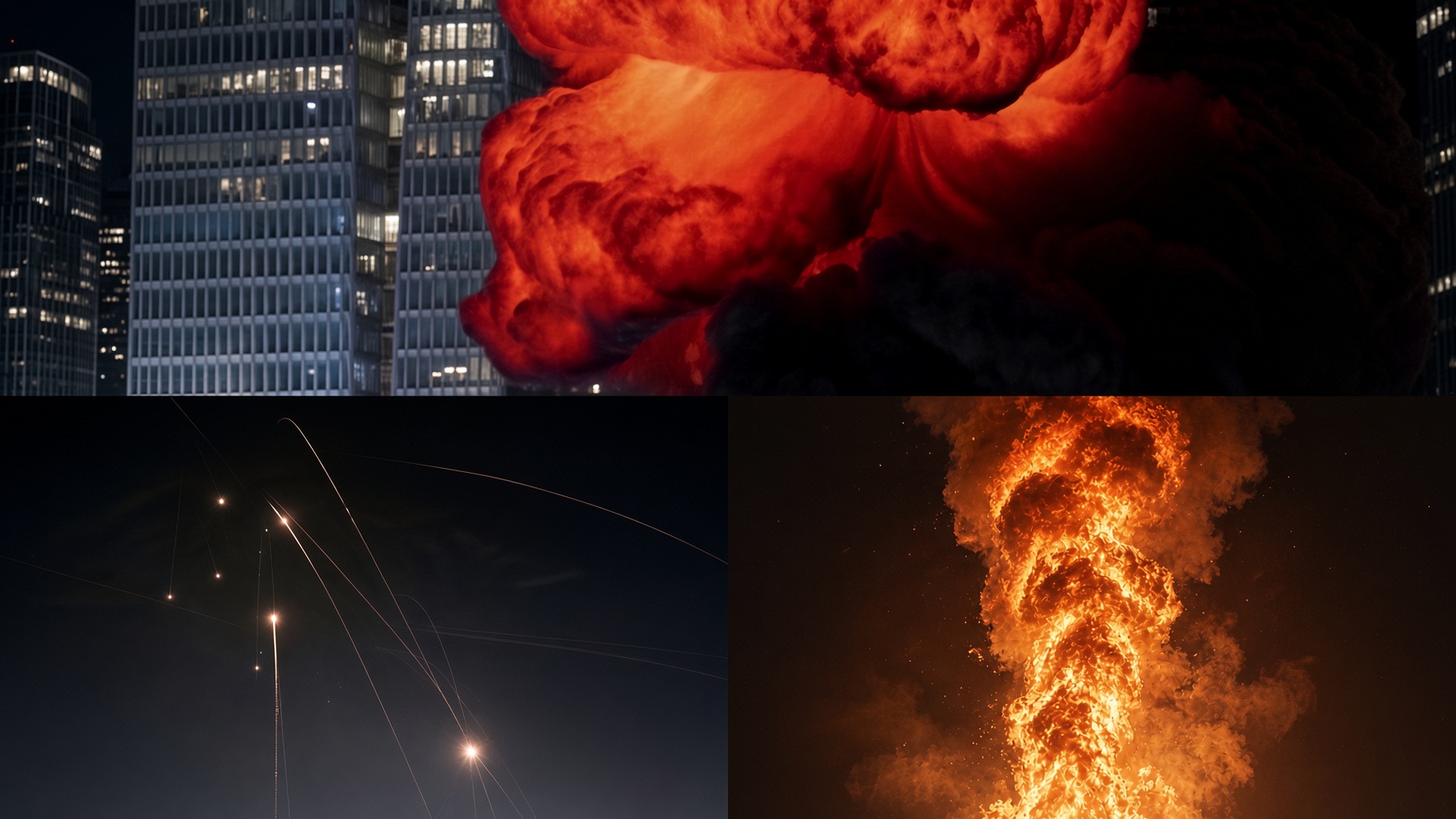
Israel has elevated its security posture amid intensifying regional tensions, with military forces placed on heightened alert and defensive systems expanded across the country.
Israeli officials confirmed increased military preparedness and expanded defensive measures on Thursday, characterizing the steps as precautionary efforts to protect civilians and strengthen national security. The moves reflect rapid shifts in the Middle East’s volatile security environment, where multiple state and non-state actors maintain competing interests.
What Israel Is Doing
The heightened readiness includes intensified surveillance, expanded intelligence coordination between security agencies, and increased operational readiness among military and emergency-response personnel. Air-defense systems have been placed on heightened alert, while civil-defense authorities urged residents to monitor official announcements and follow safety instructions if conditions change.
Israeli authorities provided limited details about specific threats driving the escalation. The decision reflects the country’s historical proximity to areas affected by regional instability and the challenges of maintaining security in a complex geopolitical landscape.
The Regional Context
The region encompasses numerous actors with overlapping interests, creating conditions where limited incidents can trigger wider consequences. Longstanding territorial disputes, political rivalries, military confrontations, and international involvement continue to shape the strategic environment.
Security analysts note that determining the source and significance of emerging threats during early crisis stages remains difficult. Even minor incidents can generate substantial ripple effects if they prompt retaliatory actions or increase tensions between regional powers.
Diplomatic and International Response
Israeli leaders have emphasized maintaining diplomatic communication with international partners alongside military preparations. Intelligence sharing, coordinated defensive measures, and reduced risk of miscommunication during heightened tension periods depend on allied cooperation.
International organizations, including the United Nations, have called for restraint and greater diplomatic engagement. Governments worldwide have stressed the importance of protecting civilians, maintaining humanitarian access, and preventing localized confrontations from escalating into broader conflicts.
Impact on Civilians
Heightened security measures have disrupted schools, businesses, and travel for residents in affected areas, while increasing concerns about personal safety. The uncertainty surrounding the security situation has created widespread anxiety across Israeli communities.
As Israel monitors developments, focus remains on military readiness, defensive deployments, diplomatic activity, and regional movements. Continued communication, responsible crisis management, and international cooperation could help limit escalation, analysts said.
This story has been updated. CNN’s Middle East Correspondent contributed to this report.