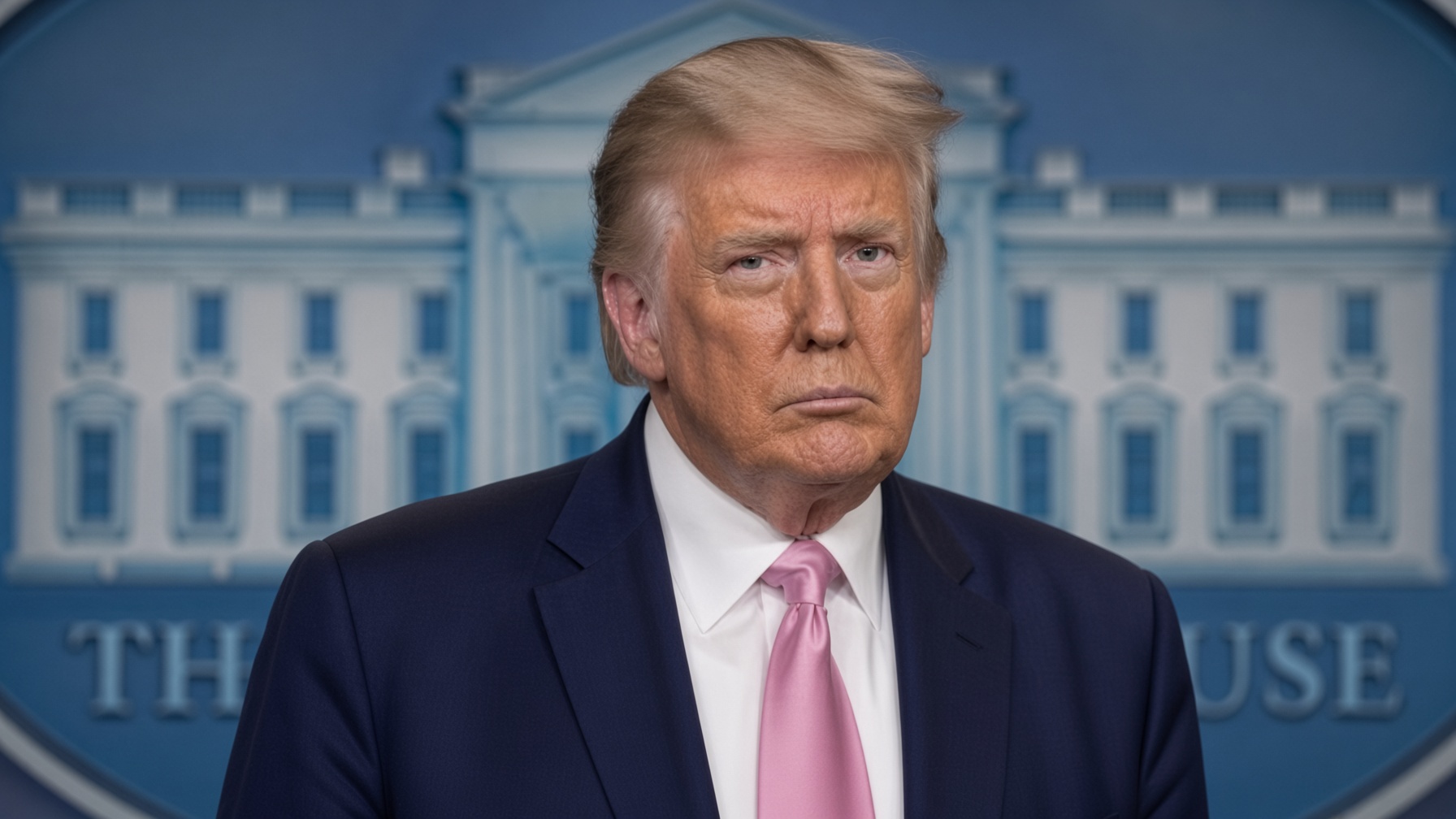
The federal government has expanded its law enforcement presence in Washington, D.C., as part of an administration initiative focused on violent crime, public safety and enforcement across the nation’s capital. The effort, launched under President Donald Trump’s administration, has brought additional federal resources into the District and increased coordination among federal agencies and local authorities. The Justice Department says the initiative has produced significant increases in arrests and prosecutions while contributing to declines in several categories of reported crime. According to the U.S. Attorney’s Office for the District of Columbia, more than 16,000 arrests have been made and nearly 2,000 firearms have been removed from the streets since the federal surge began in August 2025.
Federal prosecutors also reported that their office filed 16,724 cases in D.C. Superior Court during the first year of the initiative, a 67 percent increase from the previous year. Federal officials have cited year-over-year reductions in several major crime categories as evidence of the initiative’s impact. The Justice Department reported in August that homicides in Washington had fallen 45 percent, carjackings 64 percent, robberies 33 percent and motor-vehicle thefts 53 percent compared with the previous year. The department attributed the results in part to increased federal resources, coordinated investigations and an emphasis on prosecuting violent and firearms-related offenses.
Federal agencies have continued expanding targeted operations. In May, the Justice Department announced a summer surge involving additional federal resources and the D.C. Safe and Beautiful Task Force, with enforcement efforts focused on public safety ahead of major events in the capital. The expanded federal role has also generated debate over Washington’s local authority and the appropriate division of responsibility between federal and District governments.
Local Authority Debate
Mayor Muriel Bowser has acknowledged continued declines in crime while arguing that the city’s own public-safety efforts played an important role. In an August statement marking the first anniversary of the federal surge, Bowser said crime had declined 20 percent year over year and 40 percent compared with 2023. She also raised concerns about continued federal involvement and called for protecting the District’s home-rule authority. The disagreement reflects Washington’s unusual governmental structure.
Unlike states, the District is subject to substantial congressional and federal authority, while residents elect their own mayor and city council. That arrangement has repeatedly produced disputes over the balance between local decision-making and federal oversight. The federal initiative has also involved immigration enforcement and operations targeting alleged drug trafficking, firearms violations and other offenses. Federal officials say the expanded presence is intended to address serious crimes and improve coordination among agencies.
In one August operation, federal authorities announced arrests connected to an alleged fentanyl and crack-cocaine trafficking operation in Southeast Washington, describing the case as part of the broader federal surge. At the same time, questions remain about how prolonged federal enforcement affects communities, civil liberties and public confidence in law enforcement. Those concerns are particularly significant when federal agencies operate alongside local police and other authorities with overlapping responsibilities.
Ongoing Debate and Future Outlook
The debate over Washington’s federal law enforcement presence is likely to continue as officials assess crime statistics, enforcement results and the longer-term implications for local governance. Federal authorities say the surge has produced measurable gains in public safety, while District officials emphasize the importance of maintaining local accountability and home rule. For residents, the central issue remains whether the expanded federal role can continue addressing crime while preserving a clear division of authority between Washington’s local government and the federal government. As enforcement operations continue, both crime data and questions surrounding federal oversight are expected to remain central to the debate over public safety in the nation’s capital.