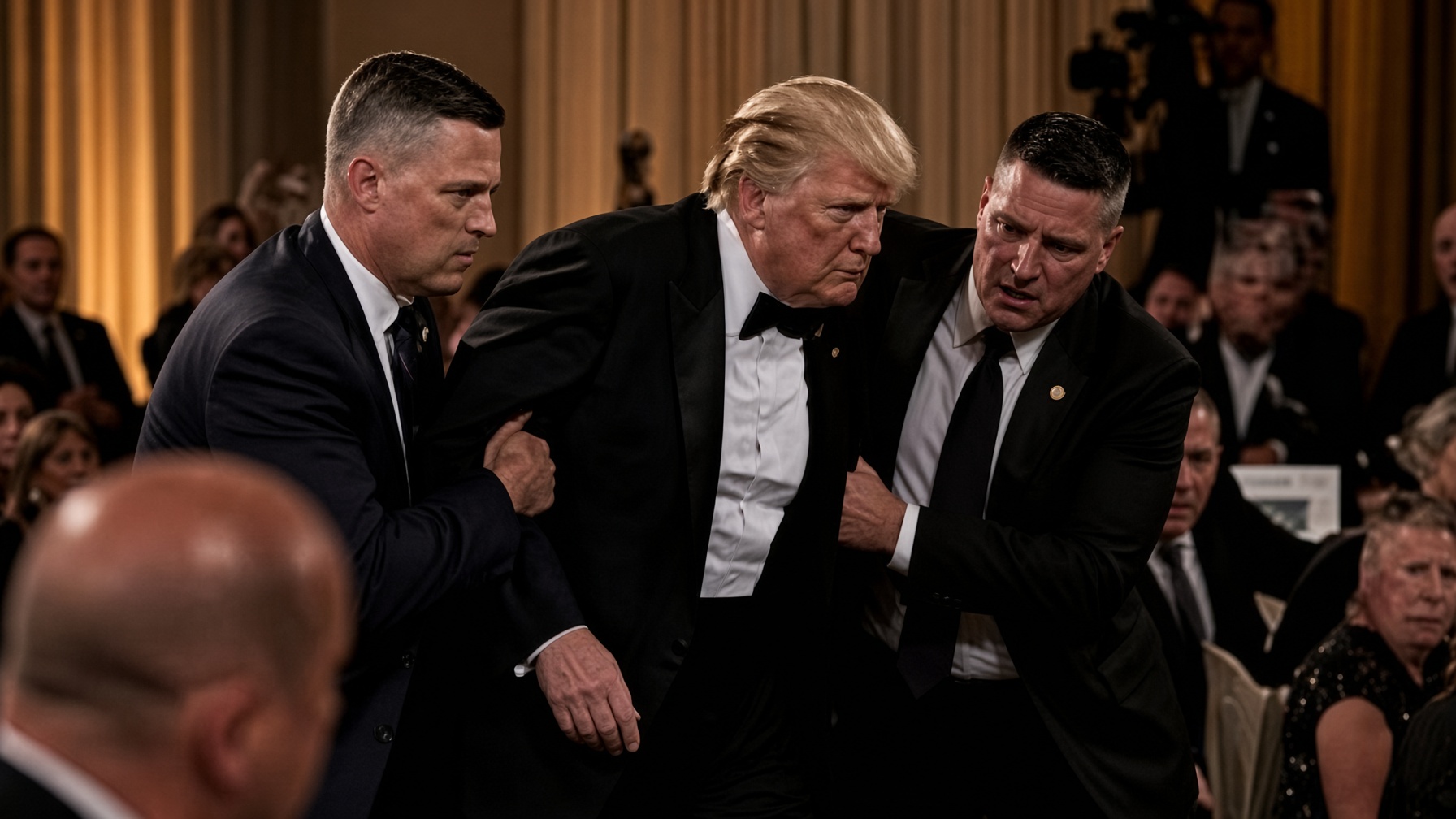
Viral social media posts claiming former President Donald Trump was shot in Washington, D.C., circulated rapidly Tuesday, but no credible news organization, law enforcement agency, or government official has confirmed the reports.
The dramatic claims spread across multiple platforms within hours, generating widespread speculation and concern. However, major U.S. and international news outlets, which typically verify incidents of this magnitude within minutes, have reported no evidence supporting the allegations.
Federal authorities have remained silent on any emergency situation, indicating the reports lack factual basis. The confusion appears to stem from recycled video footage, misleading captions, and posts from unverified social accounts designed to generate engagement rather than provide accurate information.
The Reality Behind the Rumors
The viral claims differ significantly from the documented assassination attempt that occurred in July 2024 at a rally in Butler, Pennsylvania, where Trump sustained a wound but survived. That incident prompted extensive federal investigations, sweeping security changes, and remains part of the official public record.
Since that attack, heightened security protocols have surrounded the former president, with multiple potential threats reported and intercepted. No confirmed new shooting incident matching today’s viral descriptions has occurred.
Security officials have attributed much of the confusion to the rapid spread of unverified content in digital spaces. Several viral posts traced back to private groups and accounts with histories of posting unsubstantiated claims.
Why Misinformation Matters
Security experts warn that false reports carry serious consequences, including unnecessary panic, overwhelming emergency services with inquiries, and eroding public trust in legitimate news sources. Such incidents also place additional strain on government agencies forced to respond to rumors rather than real emergencies.
Political analysts note that high-profile figures remain constant targets for misinformation, particularly during election periods and times of national tension. Sensational headlines are often crafted to trigger emotional reactions and encourage sharing before verification occurs.
Officials have urged the public to rely exclusively on established news outlets and confirmed government statements regarding national security matters. They emphasized that not all content labeled