KEY TAKEAWAYS
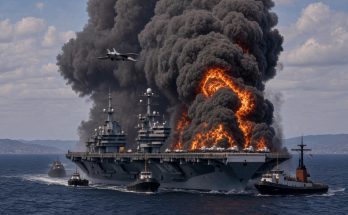
- Massive explosions struck Tehran, Beirut, and multiple Gulf cities during intense U.S.-Israel military operations against Iranian targets
- Iranian forces launched coordinated missile and drone attacks on Israeli cities and U.S. assets across the region
- Oil markets spiked above $120 per barrel as global supply concerns mount amid widening regional conflict
- Officials from both sides warn of escalation risks as military strikes continue with no immediate diplomatic resolution in sight
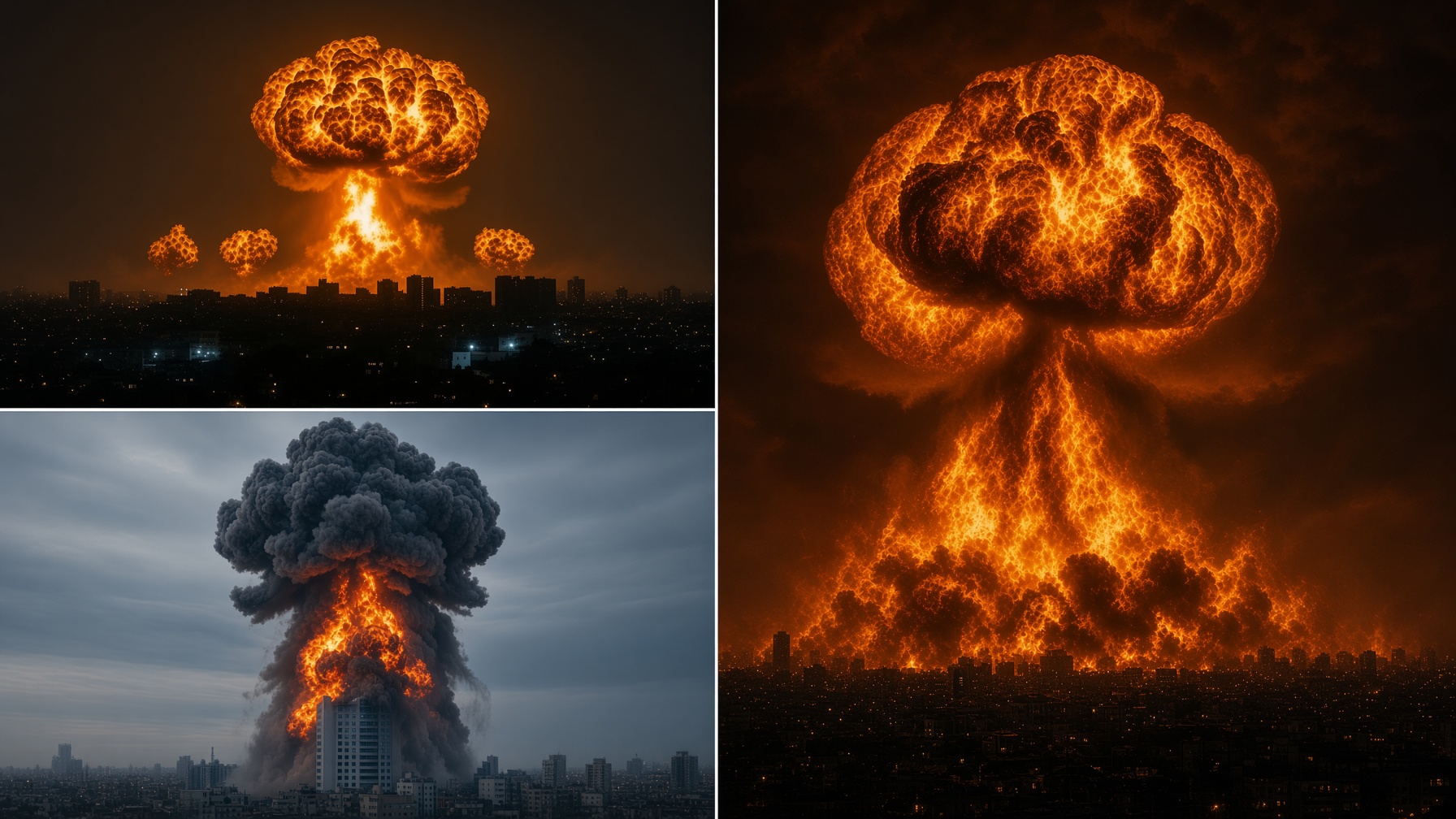
Powerful explosions rocked major Middle Eastern cities late March 8-9, 2026, as military operations between U.S.-Israeli forces and Iran intensified into what officials describe as a critical escalation phase. Fireballs illuminated Tehran’s skyline while emergency sirens wailed across Beirut, Doha, and cities throughout the Gulf region, sending millions scrambling for shelter.
Scope of Strikes Against Iran
Israeli and U.S. forces targeted Iranian military infrastructure with precision airstrikes that military officials say significantly degraded Tehran’s operational capacity. “These operations have effectively weakened Iran’s ability to execute further offensive operations,” a senior U.S. military official said in a briefing.
Tehran experienced the most severe impacts. Thick black smoke blanketed the capital of 10 million residents as strikes targeted fuel depots, ammunition storage facilities, and missile production sites south and west of the city. “The scale and coordination of these strikes marks a significant escalation in the broader conflict,” one military analyst noted.
Eyewitnesses described devastating scenes. “We saw what looked like apocalyptic conditions-fires burning for hours, toxic smoke covering everything,” a Tehran resident told international media outlets. Iranian state television broadcast images of massive plumes rising across the capital’s horizon.
Iranian Counteroffensive Continues
In response, the Iranian Revolutionary Guard Corps (IRGC) launched coordinated waves of missiles and drones targeting Israeli population centers and U.S. military installations throughout the region. Missile trails streaked across Israeli skies as air defense systems engaged incoming threats.
“Sirens activated multiple times. We saw rockets intercepted directly overhead-it was frightening but our defenses performed as designed,” an Israeli official stated. Most incoming threats were neutralized, though secondary impacts from intercepted debris caused fires and structural damage in several locations near Tel Aviv.
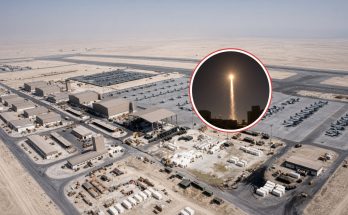
Gulf nations bore the brunt of Iranian retaliation. Explosions echoed over Doha, Bahrain, Kuwait, Saudi Arabia, and the United Arab Emirates as air defense systems worked continuously. “Our integrated air defense network successfully intercepted the vast majority of threats,” a Gulf Cooperation Council spokesman confirmed. Urgent shelter-in-place alerts were issued to civilians. Schools in affected areas transitioned to remote operations.
Hezbollah forces in Lebanon launched additional attacks into northern Israel, prompting swift Israeli strikes against targets in Beirut’s southern suburbs and evacuation warnings for residents.
Global Economic and Security Impact
Energy markets reacted sharply to the military escalation. Brent crude oil spiked above $120 per barrel before settling, driven by concerns over potential supply disruptions. “Market volatility will likely persist until there’s clear evidence of de-escalation,” energy analysts warned.
The coordinated nature and scope of operations sparked immediate global concern. Social media flooded with videos of explosions and smoke plumes, though misinformation spread rapidly alongside verified reports. Military experts cautioned that the current environment presents significant risks for unintended escalation.
Diplomatic Efforts and Official Response
U.S. officials indicated ongoing military operations represent measured responses designed to degrade Iranian capabilities while preserving diplomatic channels. “We continue to seek a resolution, but Iran’s actions have necessitated these responses,” a State Department official said.
Iranian leadership condemned the strikes as aggressive actions that would be met with further resistance. “The zionist regime and its American sponsor will face the full consequence of their actions,” Iranian state media quoted military officials as saying.
International leaders urged restraint. “All parties must exercise extreme caution. Further escalation risks catastrophic regional consequences,” United Nations officials stated in formal communications to all involved parties.
Casualty Reports and Investigation
While reports indicate most casualties have been sustained by Iranian military and infrastructure targets, civilian facilities have also sustained damage during operations. International organizations have called for investigations into allegations that civilian areas experienced unintended impacts.
As of early Monday morning, military operations continued without indication of imminent cessation. Both sides signaled willingness to negotiate while simultaneously maintaining offensive operations-a posture experts characterize as strategically ambiguous and potentially dangerous.
Fox News Digital contributed to this report.