KEY TAKEAWAYS
- Iran’s Islamic Revolutionary Guard Corps fired multiple ballistic missiles at U.S. forces in the Middle East Tuesday evening, but all were intercepted by American air defenses
- U.S. and Saudi fighter aircraft conducted swift precision strikes targeting Iranian-backed militant infrastructure across eastern Iraq in immediate response
- The coordinated assault followed more than 600 attempted attacks on American personnel and facilities by Iran-aligned groups over a four-month period
- Saudi Arabia’s direct military participation marks a significant regional escalation and demonstrates strengthened allied coordination against Iranian proxy operations
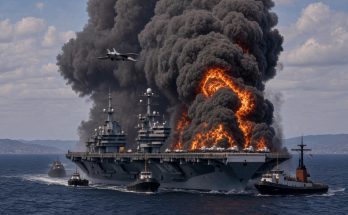
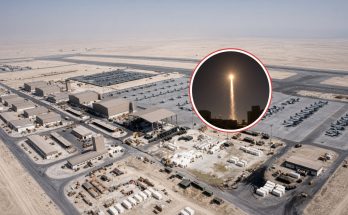
Iran’s Islamic Revolutionary Guard Corps launched a coordinated ballistic missile assault against U.S. military positions across the Middle East Tuesday evening, prompting immediate defensive and offensive responses from American forces backed by Saudi Arabia. All incoming Iranian missiles were successfully intercepted by U.S. air defenses, according to U.S. Central Command, with the attack occurring at 5:45 p.m. Eastern time. The strike marked an open escalation in Tehran’s campaign to destabilize the region through direct military action and proxy warfare.
U.S. Military Response
Within hours of the Iranian barrage, U.S. Central Command authorized precision strikes across eastern Iraq targeting facilities directly controlled by the Revolutionary Guard Corps and its affiliated militia network. “All missiles were successfully intercepted,” CENTCOM confirmed in an official statement, underscoring the effectiveness of American defensive systems.
Saudi Arabia’s Royal Air Force flew directly alongside U.S. fighter aircraft during the retaliatory operation, marking a significant show of allied military unity. The joint strikes targeted weapons caches and logistics infrastructure assessed by U.S. intelligence as responsible for coordinating more than 30 drone attacks on American positions during the preceding 72 hours alone.
Pattern of Escalating Iranian Aggression
The Tuesday evening assault represented the most direct Iranian military action in recent months, but U.S. officials characterized it as part of a broader, sustained campaign of aggression. From February through April, Iran-backed militant groups conducted more than 600 separate attack attempts against U.S. service members and American facilities throughout Iraq and the region.
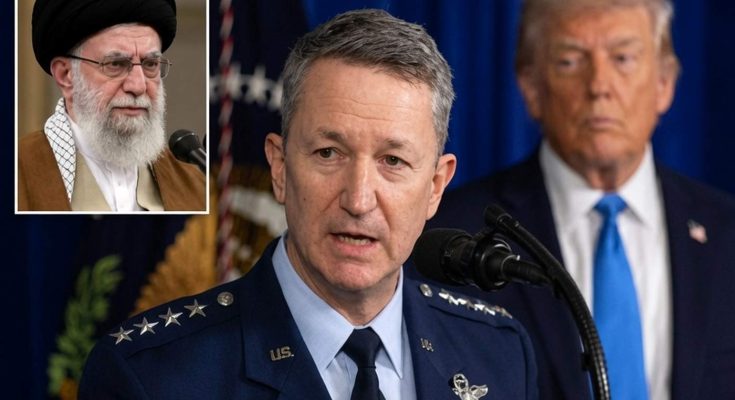
“These are not isolated incidents,” a senior U.S. military official stated. “This is a coordinated, IRGC-directed campaign designed to test our resolve and undermine stability.”
Saudi Coordination and Regional Stakes
Riyadh’s direct participation in the military response signaled the kingdom’s determination to counter Iranian threats to its critical energy infrastructure and broader regional security interests. The joint operation demonstrated the strength of U.S.-Saudi military coordination at a moment when Iranian proxies have intensified operations across multiple fronts.
Saudi officials have privately expressed alarm at the scope and sophistication of Iranian-directed attacks, particularly drone assaults targeting oil facilities and critical infrastructure. Tuesday’s coordinated response sends a clear message that the kingdom stands ready to defend its interests alongside American forces.
Diplomatic Context
The Iranian missile attack occurred while backdoor diplomatic channels between Washington and Tehran remained open, raising questions about Tehran’s strategic intentions. U.S. officials indicated that military readiness and diplomatic engagement are not mutually exclusive, but that American forces will respond decisively to direct threats regardless of ongoing negotiations.
Fox News Digital contributed to this report.