KEY TAKEAWAYS
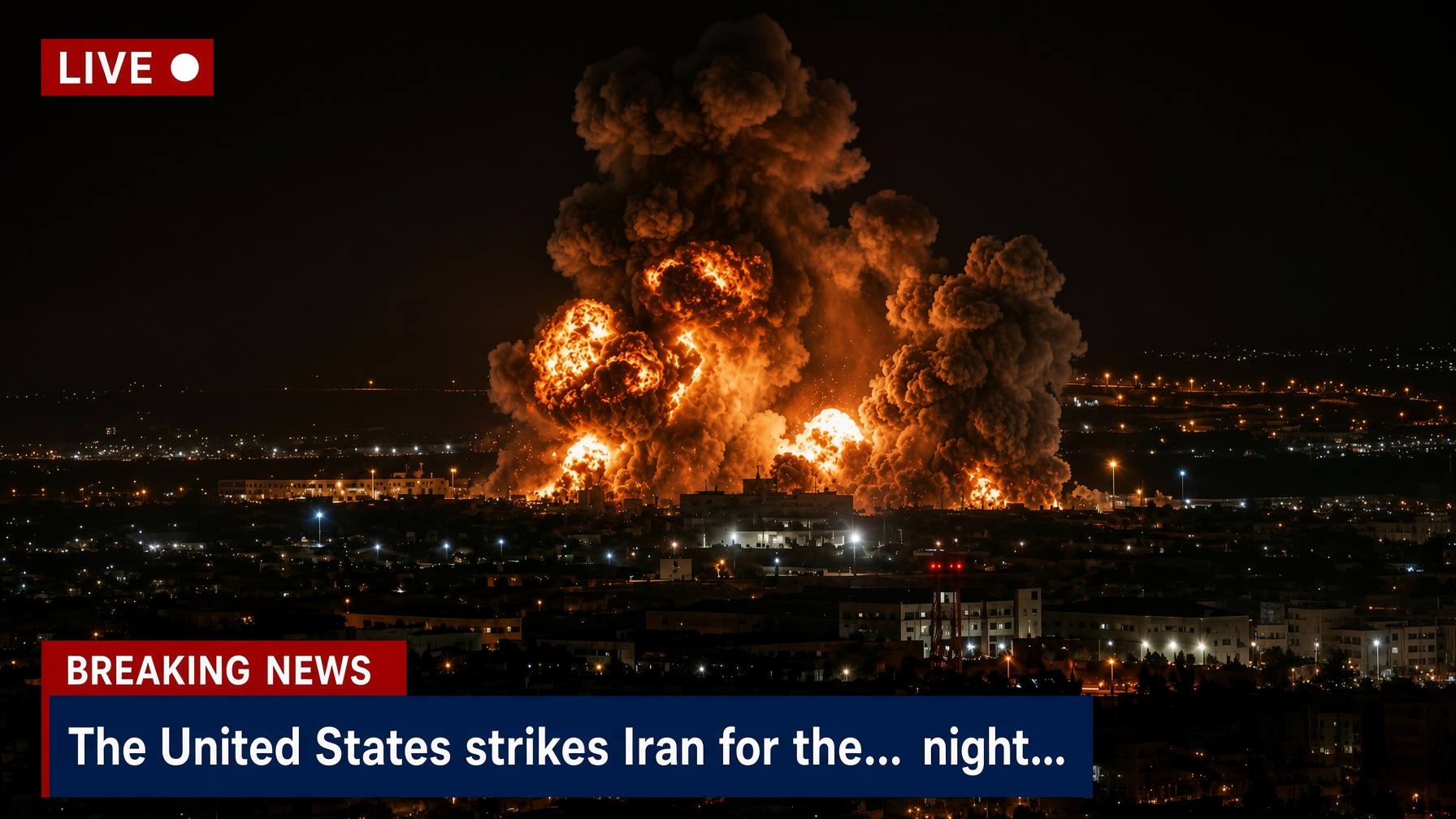
- U.S. military conducted seventh consecutive night of strikes against Iranian military targets, CENTCOM confirmed
- Operations targeted surveillance sites, weapons storage, logistics hubs, and maritime capabilities across the region
- Pentagon maintains strikes focused on military infrastructure, not civilian targets, as Tehran vows response
- Regional allies heighten security measures amid escalating tensions and diplomatic efforts
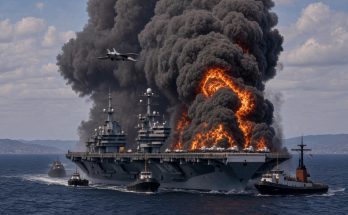
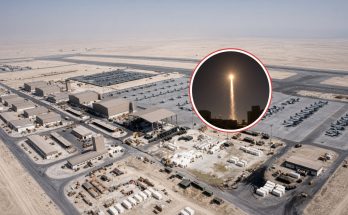
The U.S. military extended its sustained campaign against Iranian military positions into a seventh consecutive night, with U.S. Central Command releasing fresh operational footage demonstrating the scope and precision of ongoing strikes across the volatile region. CENTCOM stated the latest phase targeted critical Iranian military infrastructure including surveillance and intelligence operations centers, weapons storage facilities buried underground, logistics networks, and naval capabilities designed to project Iranian power throughout the Middle East.
Pentagon’s Operational Assessment
U.S. military officials emphasized the strategic purpose behind the extended campaign. “These operations are specifically designed to degrade Iran’s capacity to conduct sustained military activities and limit its ability to threaten regional stability,” a defense official stated. The newly released CENTCOM footage depicts precision-guided munitions striking designated military targets, advanced aircraft conducting operations, and coordinated strike planning consistent with a methodical, sustained approach.
Pentagon leadership has consistently maintained operational discipline regarding target selection. “Every strike has been carefully planned to ensure we are striking military objectives and strategic infrastructure while avoiding civilian areas,” military planners confirmed in briefing materials distributed to allied nations.
Iran’s Defiant Response
Iranian officials rejected U.S. characterizations of the campaign, launching sharp diplomatic counterattacks. “These strikes represent flagrant violations of our national sovereignty and international law,” Iran’s Foreign Ministry declared in an official statement. Tehran escalated its rhetoric further, warning that “continued military aggression will be met with an appropriate response that protects our nation’s interests and demonstrates our resolve.”
Iranian military commanders suggested retaliation options remained on the table. “We will respond at a time and place of our choosing,” an Iranian Revolutionary Guard official stated, signaling potential asymmetric responses that could target U.S. interests across the region.
Regional Security Mobilization
Middle Eastern governments moved quickly to fortify defenses amid escalating tensions. Allied nations throughout the Persian Gulf increased surveillance operations, reviewed emergency protocols, and deployed additional air defense systems. Commercial shipping lanes critical to global energy markets faced heightened security scrutiny, while international aviation authorities issued updated guidance for flights operating in the region.
“Our security forces remain vigilant and prepared for any developments,” regional defense ministers stated collectively, emphasizing coordinated monitoring of Iranian military movements and communications.
Diplomatic Channels Remain Open
Despite military operations continuing at intensity, diplomatic missions persisted behind closed doors. International organizations and neutral governments pressed all parties toward de-escalation. “We urge restraint and a return to negotiated solutions,” United Nations officials stated, calling for immediate engagement through established diplomatic channels.
Global markets, particularly oil and financial sectors, remained sensitive to any signs of further escalation. Economic analysts warned that sustained operations or Iranian retaliation could disrupt energy supplies and trigger broader geopolitical consequences affecting international stability.
Fox News Digital / CelebBNews contributed to this report.