KEY TAKEAWAYS
- A viral social media post used an incomplete headline to drive traffic without substantiating any actual claim about Queen Camilla
- The post borrowed palace authority while providing no official statement, named spokesperson, or verifiable documentation
- Legitimate royal announcements are issued through official channels with complete information, named sources, and transparent dates
- Readers should verify major claims against official Royal Family sources and established news organizations before sharing
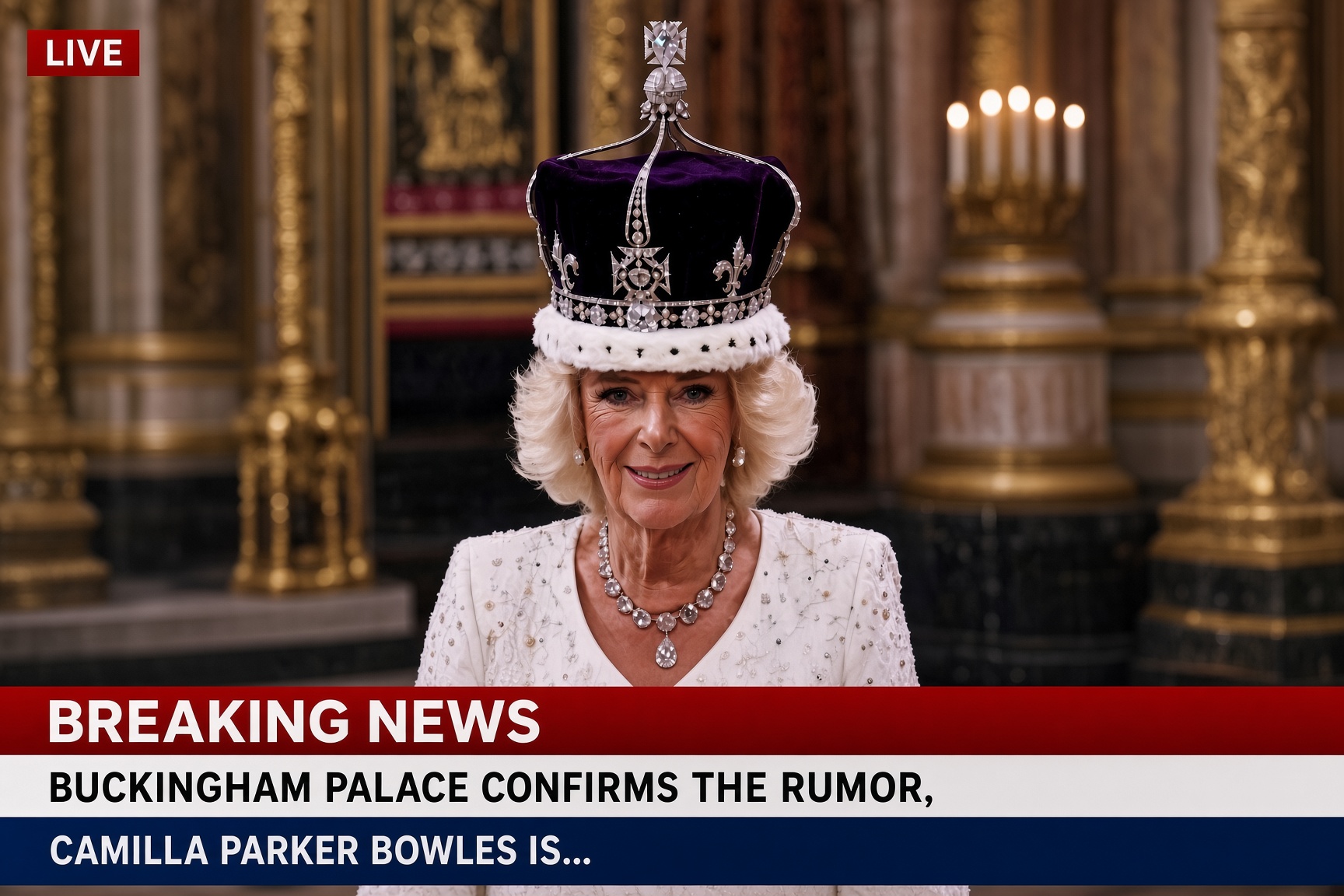
An unfinished headline claiming Buckingham Palace had confirmed a rumor about Queen Camilla circulated widely online, exploiting public curiosity about the British royal family while withholding the actual allegation-a textbook example of how digital publishers weaponize incomplete information to drive clicks.
How the Misleading Post Operated
The viral post paired “Buckingham Palace confirms” with Queen Camilla’s full name followed by an ellipsis, deliberately stopping before revealing any substantive claim. The tactic forced readers to click through multiple pages before discovering what supposedly happened-if any verifiable information existed at all.
“This format encourages audiences to complete the sentence emotionally,” analysis of the post explained. “Some readers assume illness, resignation, family conflict, or death before opening the link. The publisher benefits from every interpretation because curiosity produces traffic.”
What Authentic Royal Announcements Look Like
Genuine Buckingham Palace communications follow established protocols. Official statements appear through the Royal Family’s verified channels, include named spokespersons, cite specific dates, and are covered by reputable news organizations that quote and link to original documentation.
The questionable post contained none of these elements. It offered no palace quotation, official document, publication date, or named official-relying instead on borrowed authority and strategic omission.
Why Queen Camilla Attracts Intense Scrutiny
The Queen faces unusually persistent public attention because of her historical background, marriage to King Charles III, and prominent constitutional role. This sustained interest creates a constant market for unverified claims about her health, titles, family relationships, and palace decisions.
“Repetition can make a rumor feel true even when every version traces back to the same unreliable source,” observers noted. Verification requires checking official royal websites, comparing coverage from established news agencies, and noting whether multiple independent organizations report consistent details.
How Readers Can Protect Themselves
Before sharing royal news, Americans should apply basic verification standards: search the exact claim against official sources, check publication dates against event dates, and confirm that reputable outlets independently report the same facts with consistent details.
“Silence from all credible news organizations is a warning sign,” experts cautioned. “If a major palace announcement truly occurred, multiple independent outlets will normally report it with consistent basic facts.”
Old royal stories are frequently recycled months or years later, especially when photographs lack context. A previously accurate article becomes misleading when presented as breaking news.
The Larger Threat to Information Standards
Each reshare of unverified claims adds perceived credibility through social networks. Friends may trust information because it came from familiar contacts, even when those contacts never opened or verified the article themselves.
“Before forwarding royal news, readers should verify the event and summarize what is actually known,” analysts recommended. “If the claim cannot be stated clearly without an ellipsis, it probably has not earned distribution.”
The incomplete sentence was the actual story-not any revelation about Queen Camilla, but rather a demonstration of how online publishers systematically engineer curiosity while withholding substance. Once readers recognize that pattern, misleading headlines lose their manipulative power.
Fox News Digital / CelebBNews contributed to this report.