KEY TAKEAWAYS
- Iran’s Islamic Revolutionary Guard Corps fired multiple ballistic missiles at U.S. forces in the Middle East Tuesday evening; all were intercepted with zero impact
- U.S. and Saudi fighter aircraft conducted immediate precision strikes on IRGC-directed terrorist logistics and weapons sites across eastern Iraq in response
- Iran-aligned militias launched over 600 attempted attacks on American forces and facilities between February and April 2026
- Saudi Arabia’s direct military coordination with the U.S. signals a strengthened regional coalition against Iranian aggression
Iran’s Islamic Revolutionary Guard Corps launched a direct ballistic missile assault on American military forces across the Middle East Tuesday evening at 5:45 PM Eastern, but every single projectile was neutralized before impact. The swift American and Saudi Arabian response that followed-precision strikes destroying Iranian proxy infrastructure in Iraq-demonstrated the stark contrast between how the current administration handles Iranian aggression versus its predecessors.
What Happened
CENTCOM confirmed the intercepted Iranian missile barrage in official statements detailing the immediate aftermath. Within hours, U.S. and Saudi fighter aircraft conducted coordinated precision strikes targeting IRGC-directed terrorist logistics networks and weapons caches responsible for more than 30 drone attacks launched during the preceding 72 hours alone.
The Escalating Campaign
The Tuesday attack represents only the latest escalation in a months-long coordinated assault. Iran-aligned terrorist militias operating in Iraq executed more than 600 attempted attacks against American personnel and installations between February and April 2026-a staggering figure that exposes the systematic, IRGC-orchestrated nature of the campaign.
“These attacks have been coordinated by the Islamic Revolutionary Guard Corps at the highest levels,” military officials stated, emphasizing the direct link between Tehran’s leadership and the proxy violence targeting American forces simultaneously engaged in regional stabilization missions.
Saudi Arabia’s Decisive Role
The most significant underreported element involves Saudi Arabia’s combat participation. Riyadh moved beyond providing basing rights or diplomatic support-Saudi fighter jets flew alongside American aircraft to strike Iranian proxies directly in Iraq. This represents a fundamental shift in the regional response to Iranian aggression.
“The Kingdom determined that attacks on its energy infrastructure crossed a critical threshold,” a regional security analyst noted, explaining Riyadh’s decision to coordinate military action with Washington against Tehran’s proxy network.
A Clear Warning
The administration had issued explicit warnings to Iran’s leadership regarding consequences for direct attacks. Tuesday’s immediate interception and retaliatory strikes demonstrated those warnings carried substantive backing. CENTCOM’s follow-up statement made clear: further Iranian aggression would trigger further American response.
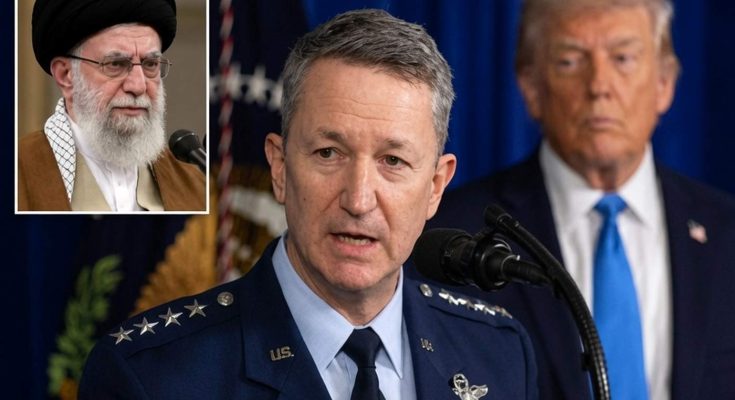
“The response was swift, proportional, and communicated a message Tehran cannot misinterpret,” Pentagon officials explained, contrasting the decisive posture with previous years of diplomatic accommodation that allowed Iran to advance its nuclear program while funding regional proxy networks.
Contrast With Previous Approach
The stark operational difference reflects a fundamental shift in American Middle East policy. The previous administration’s pursuit of a nuclear agreement allowed Tehran to utilize negotiations as a delaying tactic while accumulating nuclear centrifuges and expanding its proxy operations unchecked.
“Iran fires. America shoots it down. Then America destroys the infrastructure used to plan the attack. That’s not rhetoric-that’s Tuesday,” one official characterized the new operational rhythm under which Iranian aggression now meets immediate, consequential response.
Regional Implications
The coordinated U.S.-Saudi military response signals the development of a functional regional coalition explicitly designed to counter Iranian expansionism. This partnership treats established allies as genuine strategic partners rather than auxiliary players in American foreign policy.
The IRGC and its extensive proxy network now operate under conditions fundamentally different from the previous decade. Ballistic missile attacks trigger complete interception and immediate retaliation. Drone operations targeting American forces produce swift destruction of the command structures orchestrating those attacks.
Fox News Digital / CelebBNews contributed to this report.