KEY TAKEAWAYS
- Reports indicate Israel may face coordinated strikes as Middle East tensions escalate rapidly
- Defense officials scramble to verify attack origins amid conflicting intelligence assessments
- Regional instability involving Iran, Syria, Lebanon, and militant groups threatens wider conflict
- Military leaders preparing response scenarios as diplomatic channels strain under pressure
Israel faces mounting security threats as unconfirmed reports suggest the nation has endured coordinated strikes, escalating tensions across a volatile Middle East region already fraught with proxy conflicts and fragile ceasefires collapsing under regional pressure.
What Defense Officials Are Saying
Pentagon and Israeli defense officials remain cautious but alert as they work to authenticate the nature and origin of reported attacks. “We are actively monitoring the situation and coordinating with our Israeli counterparts to assess the threat level,” a senior U.S. defense department official said in a statement, emphasizing the uncertainty surrounding attack attribution.
Military analysts note the difficulty in distinguishing credible threats from misinformation during moments of heightened regional tension. “The challenge right now is separating verified incidents from rumor and propaganda that spreads instantaneously across networks,” security experts familiar with Middle East operations stated.
Regional Instability and Competing Powers
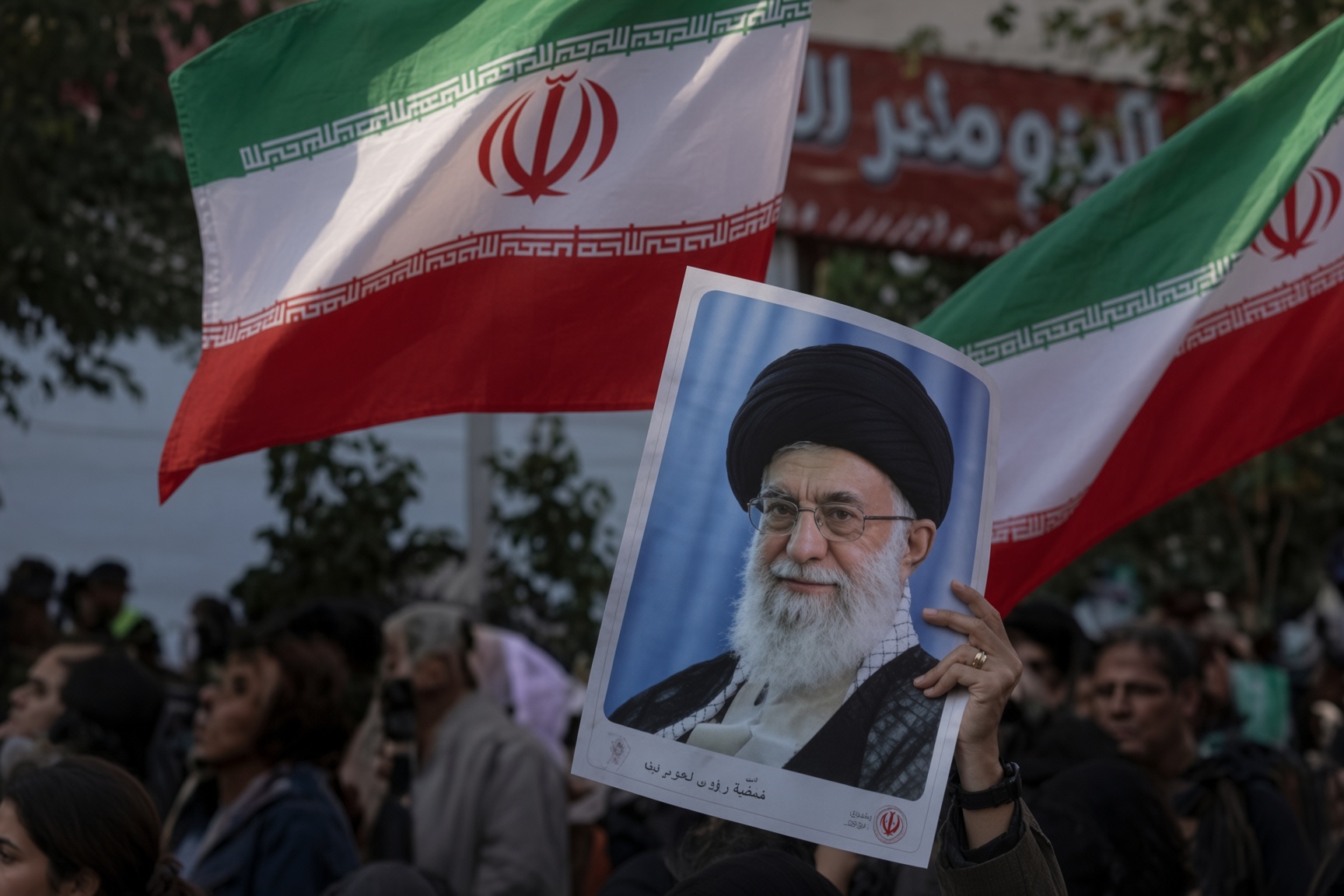
The current crisis emerges from months of deteriorating conditions across the Middle East. Long-dormant rivalries have resurged. Iran continues positioning itself as a regional power, while Syria, Lebanon, and various non-state militia groups pursue competing agendas that frequently intersect with larger geopolitical strategies.
Intelligence agencies report that multiple actors-state and non-state alike-are testing boundaries and exploiting regional chaos for strategic advantage. “We’re operating in an environment where miscalculation carries extraordinary consequences,” military strategists warned.

Israel’s Precarious Position
As the historical flashpoint of Middle Eastern instability, Israel must now determine both the nature of attacks and appropriate response measures. The stakes extend far beyond Israeli borders, with allied nations preparing contingency protocols and diplomatic channels straining under pressure.
“Israel still faces the critical question no other nation can answer for it: what exactly transpired, and who bears responsibility,” analysts explained, underscoring the intelligence challenges ahead.
Democratic Caution on Military Response
Some Democratic-aligned foreign policy voices have urged restraint. “Retaliation without complete clarity could trigger broader escalation,” diplomatic experts cautioned, warning that hasty military responses might invite further confrontation rather than resolve underlying tensions.
What Comes Next
The region braces for potential intensification. Air defense systems remain on elevated alert. Border security tightens across the region as military commanders review engagement protocols and response scenarios. The coming hours and days will prove decisive-Israel’s response will establish the operational tempo for regional actors who stand ready to react.
Whether this moment catalyzes broader conflict or represents another brush with the brink depends entirely on decisions made by Israeli leadership and regional powers in the immediate future.
Fox News Digital contributed to this report.