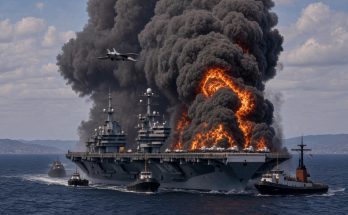
Reports of Iranian ballistic missile launches targeting U.S. military facilities across the Persian Gulf triggered emergency alerts across the United Arab Emirates, Qatar, Bahrain and Kuwait on Tuesday.
The reported attacks struck bases housing American forces amid escalating tensions between Iran and the United States. Regional authorities issued safety directives to residents across multiple countries as military activity intensified across the strategically vital waterway.
Targeted Facilities
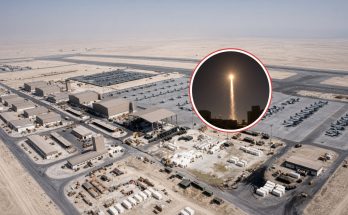
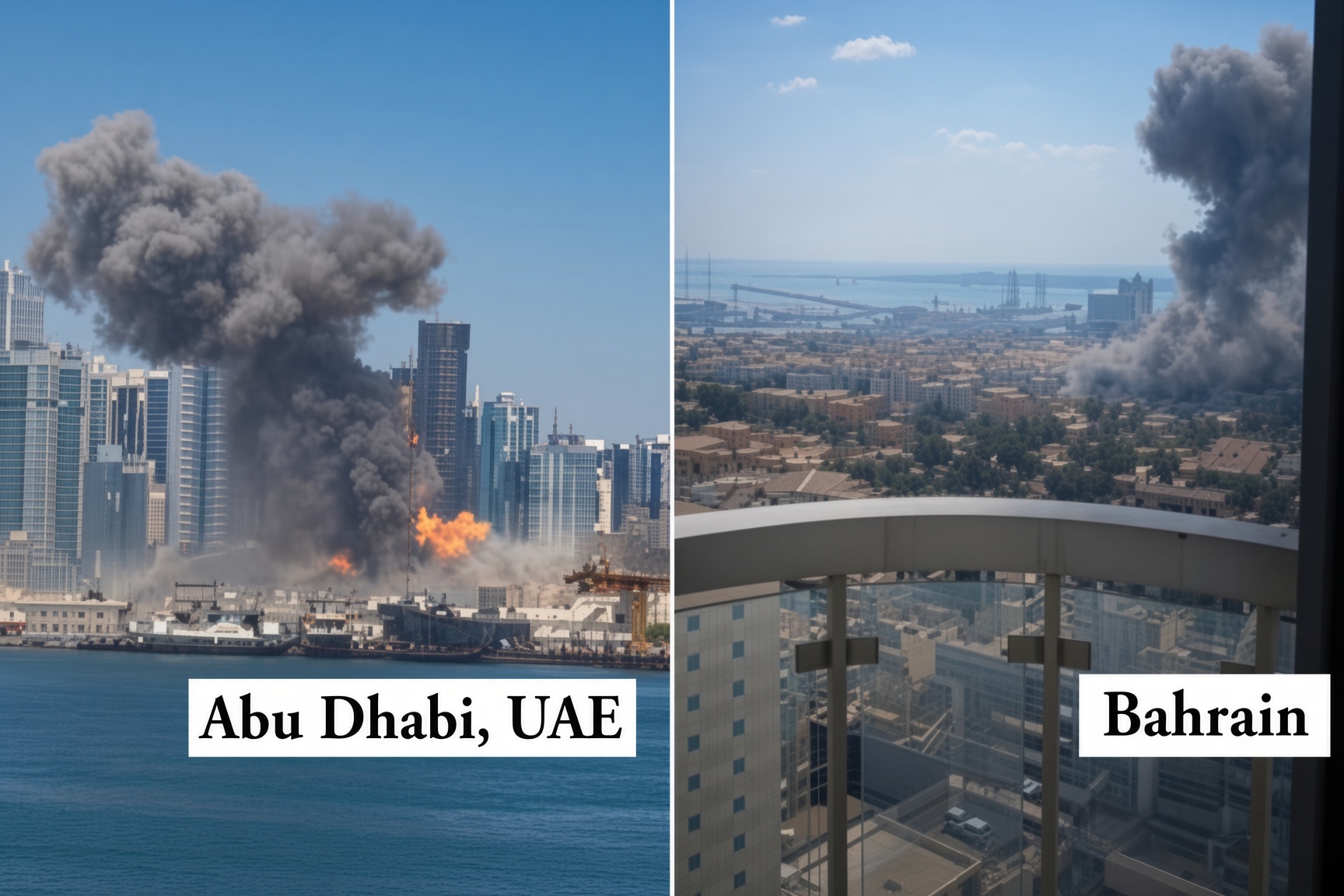
The Al Dhafra Air Base in Abu Dhabi, which houses U.S. military personnel, was among the facilities reportedly targeted, according to regional officials and international media accounts. Authorities imposed airspace restrictions and urged residents to shelter in place following reports of explosions in the area.
Bahrain reported heightened security activity near Al Jufair, where the U.S. Navy’s Fifth Fleet maintains its regional headquarters. The facility serves as a central hub for American naval operations throughout the Gulf and surrounding waters.
Qatar moved to protect civilians near Al Udeid Air Base, one of the largest American military installations in the Middle East. Qatari defense officials stated that air-defense systems intercepted incoming threats and that temporary airspace restrictions were implemented to protect commercial aviation.
Regional Implications
Kuwait also reported explosions, with authorities directing residents to remain home while security agencies assessed the situation. The coordinated reports across multiple nations underscored the scale of the reported military action.
The Persian Gulf hosts critical global energy infrastructure, with the region serving as a transit corridor for substantial portions of international oil supplies. Prolonged military escalation could disrupt shipping routes, affect aviation operations and influence global energy markets.
The Strait of Hormuz, one of the world’s most significant energy transit routes, represents a particular vulnerability if hostilities expand. Many Gulf states maintain close security relationships with Washington while attempting to avoid direct involvement in regional conflicts, creating a precarious geopolitical balance.
Ongoing Developments
Details surrounding the reported attacks remained fluid, with some claims circulating online lacking independent verification. Information emerging during active military crises changes rapidly, particularly when governments restrict access to affected areas and conflicting accounts spread through social media.
Regional authorities urged residents to rely on official announcements rather than unverified reports. Emergency agencies continued monitoring developments, assessing potential damage and coordinating security responses across the affected areas.
This story has been updated. CNN’s Middle East Correspondent contributed to this report.