KEY TAKEAWAYS
- Iranian officials announced they will not reopen negotiations or the Strait of Hormuz until President Trump’s term ends
- Tehran is demanding $300 billion in compensation, release of frozen assets, and full U.S. military withdrawal from the Middle East
- U.S. interceptor missile stocks have fallen to critical levels, limiting defensive capabilities in the region
- The impasse leaves the administration with limited options to resolve the strategic standoff
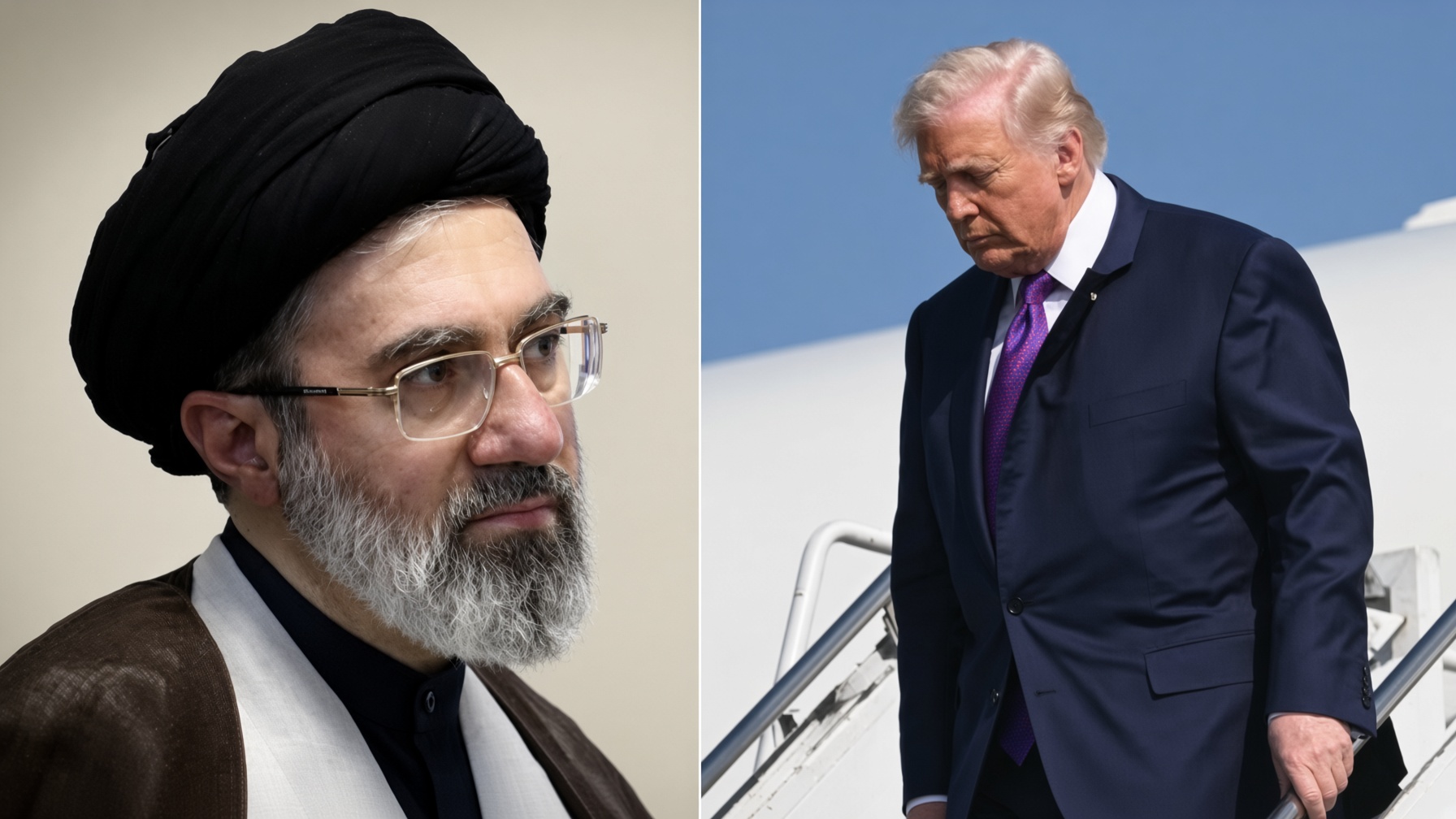
Iran has declared it will refuse to negotiate or restore shipping access through the critical Strait of Hormuz until President Trump’s administration leaves office, according to statements from Tehran’s parliamentary leadership, escalating tensions in one of the world’s most vital energy corridors.
Majid Shakeri, an advisor to Iran’s Parliament Speaker Mohammad Baqer Ghalibaf, made the position explicit in recent remarks. “Trump will not reach an agreement with us. We will go along with him until his term ends,” Shakeri said, signaling Tehran’s strategy of waiting out the current administration rather than engaging in substantive talks.
Iran’s Strategic Demands
The Iranian government has laid out three non-negotiable conditions for restoring normal shipping lanes: $300 billion in compensation payments, the release of frozen Iranian financial assets held by the United States, and a complete withdrawal of American military forces from the Middle East region.
In a separate statement outlining Tehran’s negotiating philosophy, Iranian officials emphasized patience over compromise. “The path to victory is neither fighting nor a deal – it is managing the process of neither war nor peace, up to the point of victory. Publicly confirming negotiations with the U.S. is sheer folly. The winning approach is denial, ambiguity, and strategic patience,” according to Iranian strategic assessments.
U.S. Military Readiness Concerns
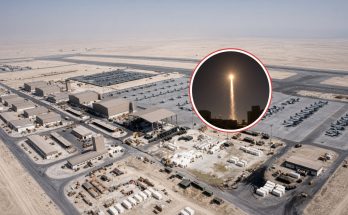
The standoff arrives amid growing concerns about American defensive capabilities in the region. According to defense officials cited in recent reporting, U.S. interceptor missile stocks have depleted to 20 percent or less of operational capacity.
“Even when troops see Iranian missiles approaching, they are forced to decide in a matter of seconds whether to expend a limited number of interceptors or hope for the best,” a defense official explained, underscoring the precarious military position constraining diplomatic flexibility.
Biden Administration Official’s Assessment
Phil Gordon, who served as a national security official under both the Obama and Biden administrations, characterized the situation as strategically untenable. “U.S. acceptance of Iranian control over the Strait of Hormuz is an extraordinary outcome only made conceivable by an administration that squandered legitimacy, alienated allies, attempted regime change in a war it had not adequately prepared for and that is being forced to accept a catastrophic outcome without viable alternatives,” Gordon said.
The closure of the Strait of Hormuz-through which roughly one-third of global maritime oil trade passes-carries significant economic implications for American allies and global energy markets.
Fox News Digital / CelebBNews contributed to this report.