KEY TAKEAWAYS
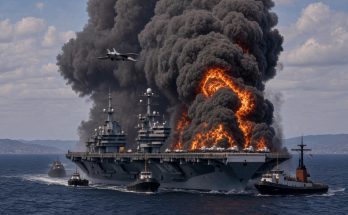
- Military tensions in the Middle East have reached critical levels with unconfirmed reports of coordinated strikes against Israel
- Defense officials across multiple intelligence agencies are working to verify the origin and scope of reported attacks
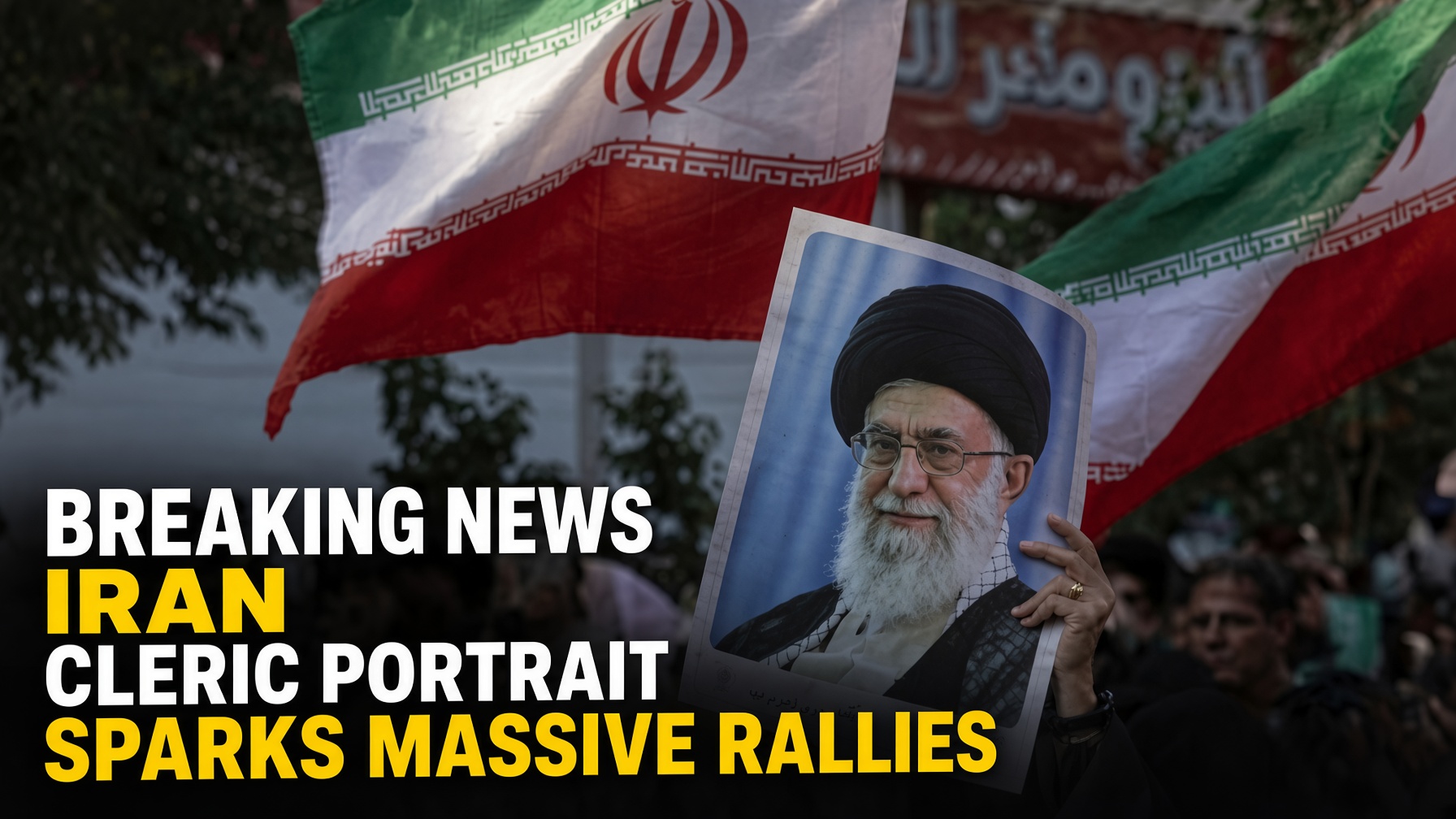
- Iran, Lebanon, Syria and various militia groups complicate threat assessment and regional stability
- Israel faces pressure to confirm what occurred and determine appropriate response measures
Military tensions across the Middle East have reached a critical threshold in early 2025, with unconfirmed reports suggesting coordinated strikes may have targeted Israel, setting off alarm bells in Washington and allied capitals worldwide. Defense officials are working around the clock to verify the origin and scope of reported attacks, with multiple intelligence agencies cross-referencing data from varied sources. The compressed timeline for decision-making leaves minimal margin for error as regional stability hangs in the balance.
What Officials Said
“The situation requires careful analysis before any conclusive determination can be made,” one military official stated, underscoring the complexity of distinguishing credible threats from regional misinformation campaigns. Intelligence agencies are racing to determine whether incidents represent isolated provocations or constitute the opening phase of a broader coordinated campaign.
“We’re operating in an environment where a single miscalculation can trigger cascading consequences across multiple nations,” warned regional security analysts monitoring the developing situation.
Israel’s Position
As the region’s most threatened nation, Israel faces an extraordinary burden: confirming what actually occurred while determining appropriate response measures. Military leadership is actively reviewing contingency scenarios.
“Israel must answer questions only it can answer-what happened and who is responsible,” security analysts note, emphasizing that the Jewish state’s response will essentially establish the tone for regional reactions.
The Broader Regional Picture
The Middle East landscape has deteriorated significantly over recent months, with fragile ceasefires collapsing and historical rivalries resurging with renewed intensity. Iran, Lebanon, Syria, and various militia groups all maintain separate agendas that complicate threat assessment and diplomatic efforts.
Allied nations are preparing their own contingency plans while urging diplomatic restraint. However, whether international pressure will encourage restraint or competing powers will take sides remains a critical unknown.
Current Conditions on the Ground
Eyewitness accounts describe unusual aerial activity and explosions, though confirmation remains elusive. Citizens across the region are bracing for escalation, with border security tightening and air defenses moving to heightened alert status.
The sense that the Middle East stands at a genuine inflection point is now broadly shared from military command centers to civilian populations. The distinction between isolated provocations and broader coordinated campaigns carries enormous weight-miscreading the situation could either invite further aggression or unnecessarily escalate tensions into wider conflict.