KEY TAKEAWAYS
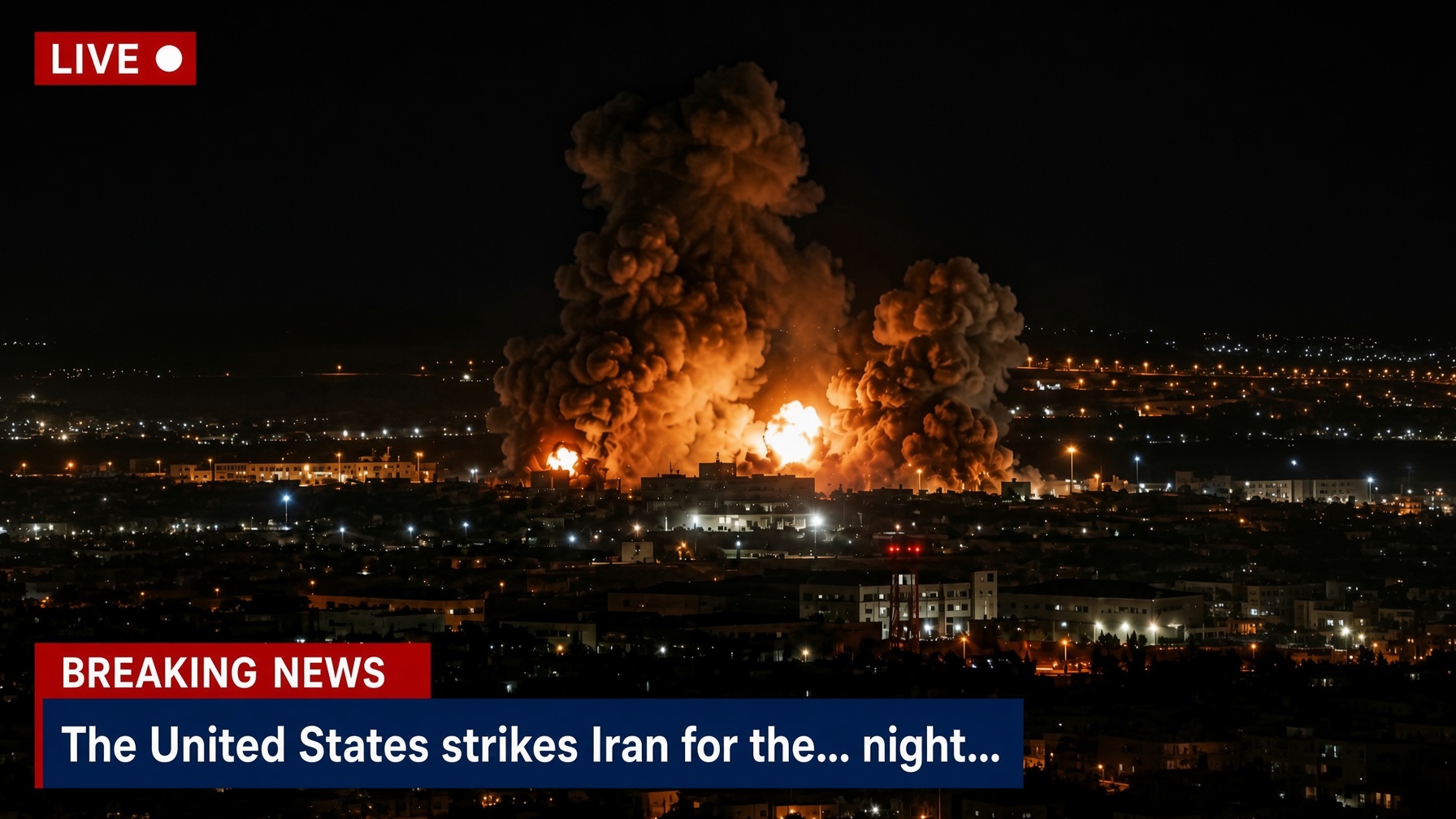
- U.S. Central Command conducted its seventh consecutive night of strikes against Iranian military installations across the region
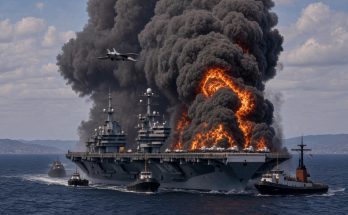
- CENTCOM released operational footage showing precision-guided attacks on surveillance sites, weapons storage, and maritime capabilities
- Pentagon officials assert operations target military infrastructure only, aimed at degrading Iran’s regional military capabilities
- Tehran condemns strikes as violations of sovereignty; regional allies increase security measures amid escalation concerns
The U.S. military extended its sustained campaign against Iranian military targets through a seventh consecutive night of operations, with CENTCOM releasing new footage documenting the scope and precision of the ongoing strike campaign. American defense officials say the strikes are methodically dismantling Iran’s ability to threaten U.S. forces and regional allies, targeting critical military infrastructure without civilian objectives.
What CENTCOM Officials Said
U.S. Central Command confirmed the latest round of strikes focused on Iranian military assets including surveillance and intelligence collection facilities, logistics networks, underground weapons storage complexes, and maritime operational capabilities. “These operations are designed to degrade Iran’s ability to conduct military activities and project force throughout the region,” military officials stated in official communications.
CENTCOM distributed footage depicting military aircraft executing precision-guided strikes and demonstrating the operational planning behind the multi-day campaign. “U.S. military operations are directed exclusively at military targets and strategic infrastructure, not civilian populations,” Pentagon representatives emphasized.
Iran’s Response and Regional Fallout
Iranian officials sharply condemned the strikes, characterizing them as unlawful violations of national sovereignty and international law. “Continued military aggression will result in serious consequences,” Tehran warned through official channels, vowing a response deemed appropriate by Iranian leadership.
The escalating confrontation has prompted neighboring Middle Eastern governments to fortify security protocols, enhance surveillance operations, and activate emergency contingency plans. Regional leaders have issued public calls for restraint while privately assessing the potential for broader conflict expansion.
International Concerns and Strategic Implications
Global markets, international shipping routes, and commercial aviation corridors remain under heightened scrutiny due to escalation risks. Multiple governments and international organizations have appealed for diplomatic restraint, urging all parties to pursue negotiations over military confrontation.
Defense analysts caution that battlefield conditions remain unpredictable, with operational developments potentially shifting rapidly as new intelligence emerges. The simultaneous pursuit of military operations and diplomatic channels underscores the volatile nature of the current security environment.
Fox News Digital / CelebBNews contributed to this report.