KEY TAKEAWAYS
- President Trump stated he directly intervened with Israeli Prime Minister Netanyahu to prevent wider military escalation between Israel and Hezbollah
- Trump claimed Israel agreed not to send ground troops into Beirut and Hezbollah committed to halting attacks following his diplomatic discussions
- Iran’s apparent communications breakdown threatens ongoing negotiations to transform the existing ceasefire into a permanent regional peace agreement
- The Strait of Hormuz remains a critical focal point, with any prolonged disruption threatening global oil supplies and international trade
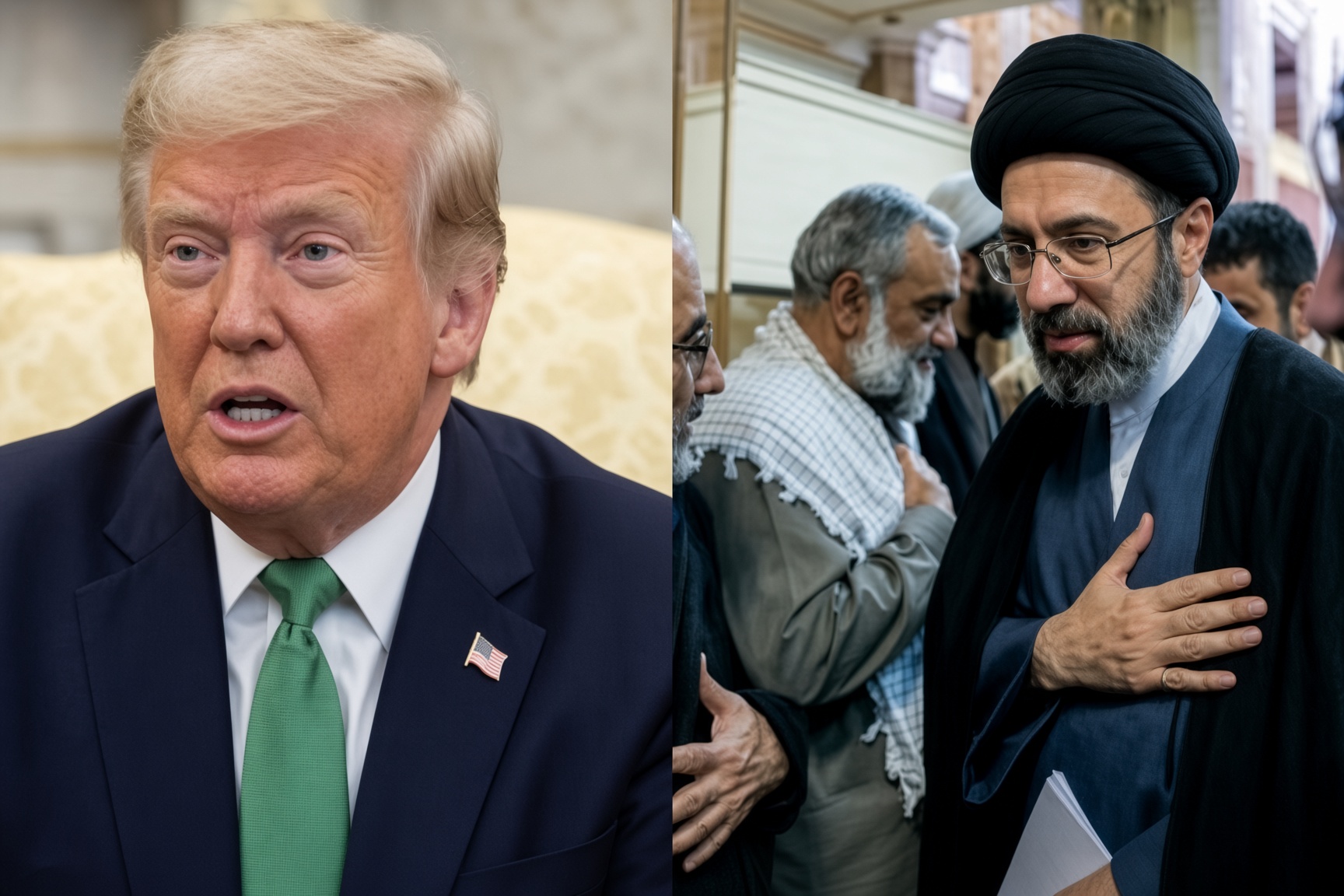
President Donald Trump asserted Monday that he personally intervened to forestall a broader military confrontation between Israel and Hezbollah, claiming direct conversations with Israeli Prime Minister Benjamin Netanyahu secured commitments for restraint as regional tensions escalated. Trump’s announcement marked a significant diplomatic move amid reports of renewed Israeli military operations and raised questions about whether meaningful peace efforts could withstand mounting pressure from all sides.
Trump’s Direct Intervention
“I personally spoke with Netanyahu and secured assurances that Israel will not deploy ground forces into Beirut,” Trump said in a social media statement. The former president claimed his behind-the-scenes diplomatic work also resulted in Hezbollah agreeing to cease attacks against Israel through intermediary discussions, a assertion that underscores his administration’s hands-on approach to Middle East crisis management.
“This was not complicated – it required direct American leadership and the willingness to engage all parties,” a Trump spokesperson added in a follow-up statement, emphasizing the president’s central role in preventing escalation.
Netanyahu’s Military Posture Concerns
Trump’s intervention came after reports indicated Netanyahu had called for intensified Israeli military strikes targeting southern Beirut neighborhoods, raising alarms that renewed operations could shatter the fragile ceasefire arrangement and trigger broader regional warfare. The Israeli prime minister’s publicly stated military objectives created diplomatic headwinds that threatened months of careful negotiations.
“Israel reserves the right to defend itself against any threats emanating from Lebanese territory,” a Netanyahu office spokesman said, articulating the government’s uncompromising security stance while acknowledging ongoing diplomatic efforts.
Iran’s Communication Breakdown Threatens Peace
Monday’s diplomatic progress faced immediate obstacles when reports emerged that Iran had ceased official communications channels with negotiating partners, signaling potential withdrawal from peace discussions. The communications blackout prompted concerns that Tehran was reassessing its position or preparing for alternative strategies.
“This is precisely what we warned would happen if diplomatic pressure was not sustained,” Republican congressional sources told Fox News Digital, arguing that perceived American weakness had emboldened Iran’s hardline faction to reject ongoing negotiations.
Global Energy Markets at Stake
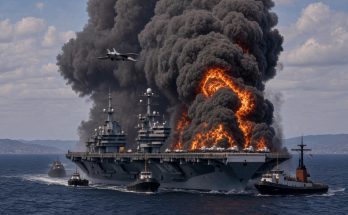
The fractious negotiations carry profound consequences for global commerce and energy security. The Strait of Hormuz, through which approximately one-fifth of the world’s petroleum transits daily, faces potential disruption if military tensions reignite. Any sustained closure would ripple through international oil markets, destabilize energy supplies to allied nations, and trigger inflation pressures across developed economies.
“The strategic importance of maintaining stability in this waterway cannot be overstated,” Treasury Department officials warned in background briefings. “A single incident could fundamentally alter global energy prices and international trade patterns.”
Road Ahead Remains Uncertain
The coming 48 to 72 hours will prove critical as diplomatic teams attempt to preserve the ceasefire framework while simultaneously transforming it into a durable regional agreement. Trump’s claimed intervention, combined with Iran’s communication uncertainty and Israel’s military posturing, creates a complex environment where miscalculation could rapidly spiral into broader conflict.
Observers emphasize that success requires sustained commitment from all parties – a challenging proposition given the competing interests and historical grievances across the region. The diplomatic process remains delicate, with each side watching for signs of weakness or opportunity.
Fox News Digital / CelebBNews contributed to this report.