KEY TAKEAWAYS
- The Trump administration is finalizing a potential agreement framework with Iran through ongoing negotiations in Qatar, with Secretary of State Marco Rubio confirming active diplomatic channels.
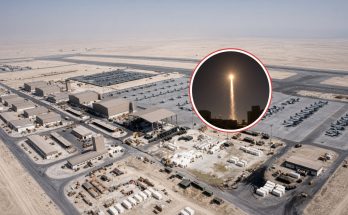
- The U.S. military conducted “self-defense strikes” against Iranian missile facilities and vessels near the Strait of Hormuz, which the administration says disrupted critical global energy routes.
- Any final agreement would reportedly require Iran to eliminate enriched uranium stockpiles, reopen shipping lanes, and accept strict nuclear limits in exchange for sanctions relief.
- President Trump stated any deal must be “good and proper,” rejecting the Obama-era 2015 nuclear agreement as insufficient in preventing Iranian nuclear ambitions.
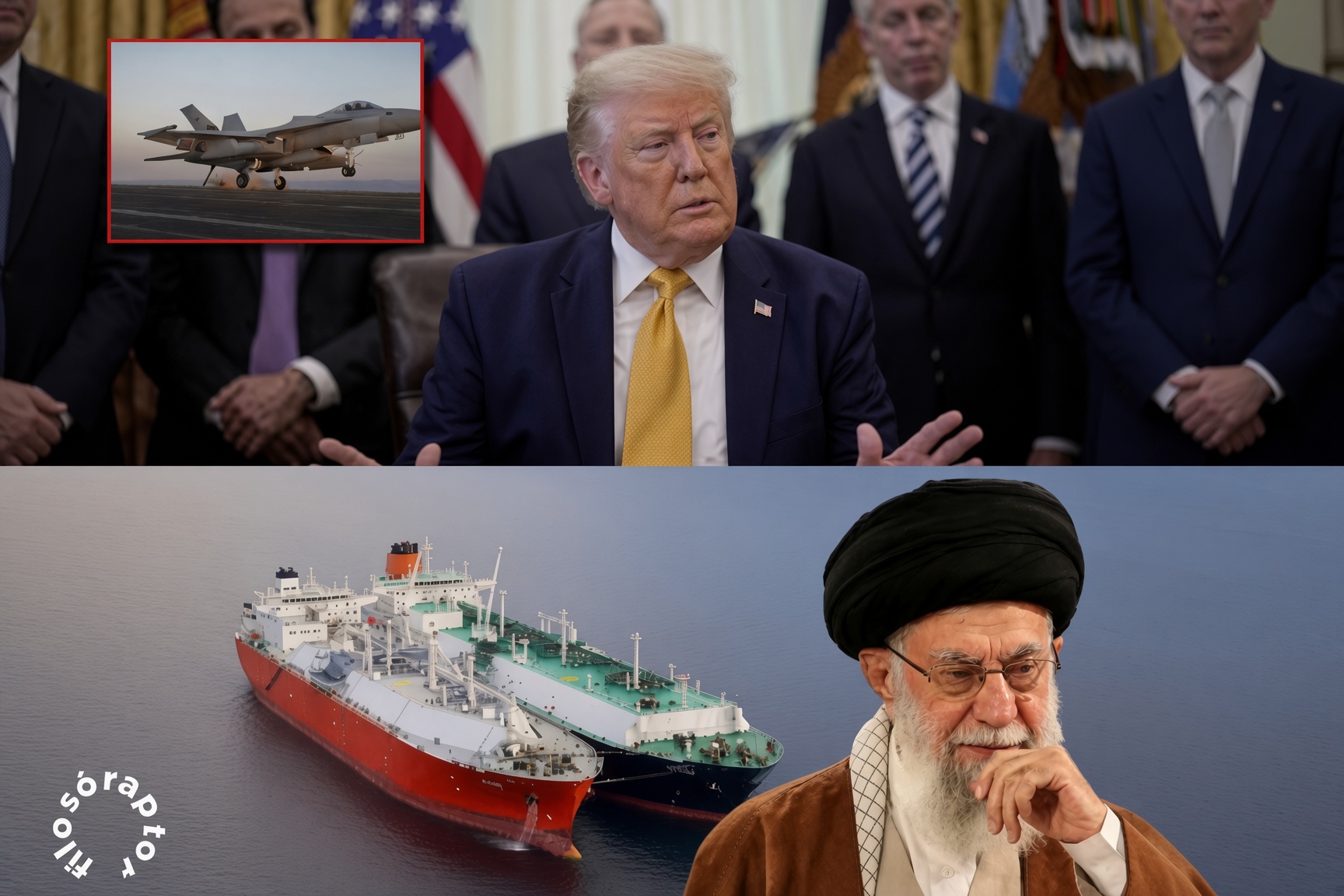
The Trump administration is racing to lock in a comprehensive nuclear agreement with Iran as diplomatic talks advance in Qatar, even as American military forces struck Iranian targets in the Persian Gulf region. Secretary of State Marco Rubio confirmed negotiations are underway and underscored that reopening the Strait of Hormuz-blockaded during ongoing tensions-remains non-negotiable for U.S. interests and global commerce.
What Secretary Rubio Said
“The Strait of Hormuz has to be open,” Rubio declared during an official visit to India. “The closure is unlawful, illegal, unsustainable for the world, and unacceptable.” The top diplomat confirmed that American and Iranian representatives are actively engaged in preliminary negotiations, with teams working through the technical language of a potential framework. “We want a good deal or no deal,” Rubio said, reflecting the administration’s hardline negotiating posture.
Military Operations Continue Alongside Diplomacy
U.S. Central Command announced targeted strikes against Iranian military assets in response to alleged threats to American personnel. “Our aircraft and naval forces identified surface-to-air missile threats and Iranian vessels engaged in laying naval mines,” Capt. Tim Hawkins said in a statement. The operations, described as defensive measures, targeted Iranian missile facilities and naval vessels near the strategic hub of Bandar Abbas. Military officials said the strikes were essential to protect U.S. forces while maintaining the broader cease-fire framework currently in place.
Framework Details Under Discussion
According to senior Trump administration officials, negotiators have made substantial progress on a proposed accord that would fundamentally reshape Iran’s nuclear program. Under the reported framework, Tehran would be required to eliminate its stockpile of highly enriched uranium, fully reopen international maritime passages, and accept sweeping restrictions on future uranium enrichment activities. In exchange, the United States would lift its naval blockade and begin phased economic sanctions relief-though officials stressed that verification and enforcement mechanisms remain critical sticking points.
Iran’s Cautious Response
Iranian Foreign Ministry spokesperson Esmaeil Baqaei acknowledged progress on certain issues but remained skeptical about reaching a final accord. “We have found areas of understanding, but a complete agreement has not yet materialized,” Baqaei said, also accusing Washington of shifting positions during negotiations. Iranian officials have publicly expressed concern that American demands continue to evolve, potentially complicating efforts to finalize terms.
Trump’s Vision for a Stronger Deal
President Trump emphasized that any future agreement must be substantially more robust than the 2015 Joint Comprehensive Plan of Action, which he has repeatedly criticized as fundamentally flawed. “Whatever agreement we reach must be good and proper,” Trump said. The 45th president argued the previous deal handed Iran economic concessions without establishing permanent safeguards against nuclear weapons development, a flaw he vowed would not be repeated. Administration officials say the new framework would impose stricter nuclear limits than its predecessor, with enhanced verification protocols and longer-term restrictions on Iranian enrichment capabilities.
What Comes Next
U.S. officials indicated that while major political frameworks have been agreed upon in principle, considerable work remains on technical specifications, international verification procedures, and enforcement mechanisms. The administration has made clear that any agreement must include ironclad verification measures and robust enforcement provisions to prevent Iranian violations. Officials believe recent military pressure has strengthened America’s negotiating position and increased Tehran’s willingness to make substantive concessions at the bargaining table.
Fox News Digital / CelebBNews contributed to this report.