KEY TAKEAWAYS
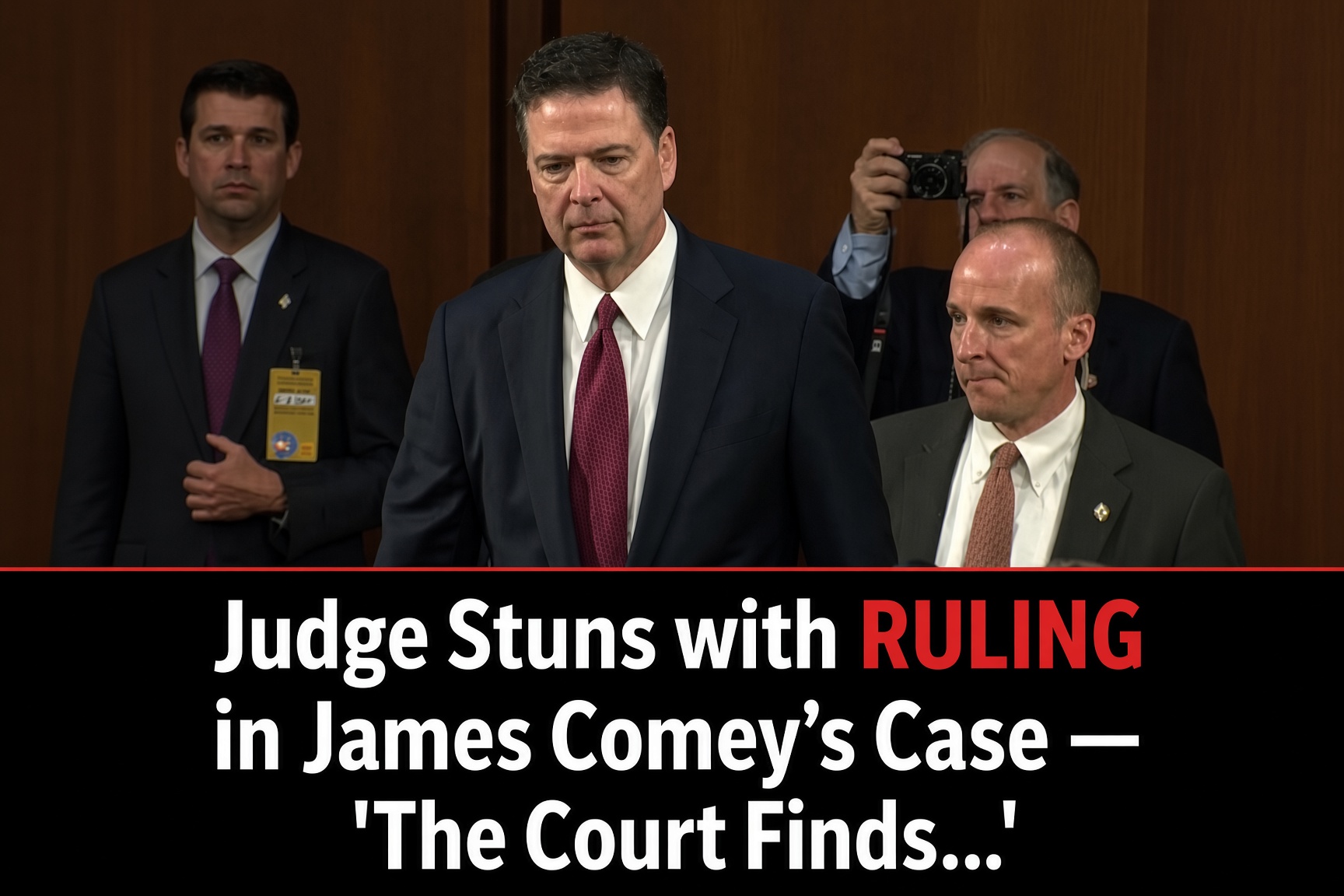
- Federal Judge Louise W. Flanagan ruled Friday that outside organizations and individuals cannot file friend-of-the-court briefs in the criminal case against former FBI Director James Comey
- The judge determined both the prosecution and Comey’s defense team are “ably represented by competent counsel,” making outside participation unnecessary
- Legal experts say the decision is unusual for a district court but reflects judicial concerns about managing high-profile cases efficiently
- Comey faces allegations of threatening President Trump through a 2025 social media post, which he has denied
A federal judge has imposed significant restrictions on public participation in the high-stakes criminal case against former FBI Director James Comey, barring outside groups and legal experts from submitting amicus curiae briefs. U.S. District Judge Louise W. Flanagan’s order Friday represents an aggressive move to keep the nationally watched prosecution focused exclusively on arguments from prosecutors and the defense.
Judge’s Rationale for Limiting Outside Input
Judge Flanagan’s written order stated flatly that intervention from outside parties was unnecessary. “Defendant and the government are ably represented by competent counsel,” she wrote in her decision. The ruling effectively closes the courthouse door to organizations, legal scholars, former government officials, and other interested parties who typically seek to provide specialized expertise in high-profile federal cases.
What Legal Experts Are Saying
Legal scholars expressed surprise at Flanagan’s approach, though some defended the court’s practical concerns. “I can imagine that the court is worried about the floodgates opening, and everybody who wants to weigh in on this does,” said Scott Holmes, a law professor at North Carolina Central University, in an interview about the decision.
However, Holmes acknowledged the potential downside of excluding outside voices. “It would be nice if the court would be willing to read really educated folks who have a real interest in the court getting it right and offering a lot of research,” he said.

Carl Tobias, a law professor at the University of Richmond, similarly characterized Flanagan’s ruling as uncommon for district court proceedings. “They would be people who would have expertise about the issues that are raised and probably feel strongly about them,” Tobias said of amicus filers, suggesting the court may be limiting access to valuable legal perspectives.
Contrast With Prior Comey Prosecution
The judge’s restrictive approach stands in stark contrast to Comey’s previous 2025 criminal case, where he faced charges alleging he lied to Congress about media leaks. That prosecution attracted dozens of friend-of-the-court briefs from former Justice Department officials, law professors, current and former members of Congress, retired federal judges, and former U.S. attorneys. That case was ultimately dismissed after just two months when a judge ruled the prosecutor had been unlawfully appointed.
The Underlying Allegations
Comey currently faces accusations that he threatened President Trump through a social media post in 2025. The former FBI director has denied any wrongdoing, according to reports. Friday’s order represents an early procedural decision but signals the court’s intention to maintain tight control over the litigation’s scope.
Fox News Digital / CelebBNews contributed to this report.