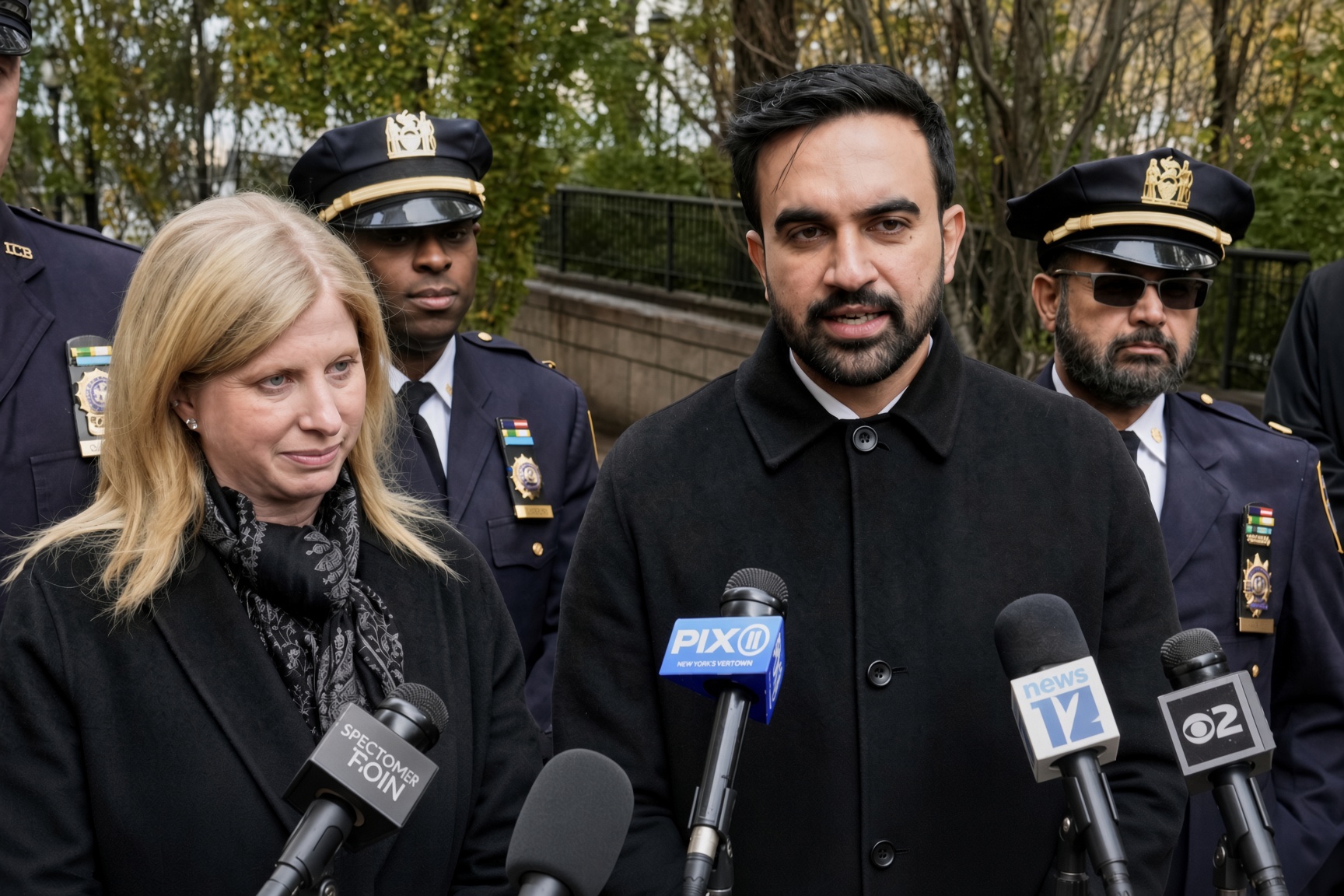
New York City Mayor Zohran Mamdani’s administration faced mounting criticism after declaring an end to a Legionnaires’ disease outbreak on the Upper East Side that killed seven people and left five hospitalized.
The Health Department announced that the 14-day incubation window had closed with no new cases emerging, and that cooling towers responsible for spreading Legionella bacteria had been neutralized. Officials declared the three affected ZIP codes no longer posed elevated risk.
Residents Express Frustration
The announcement drew sharp backlash from community members who said they felt abandoned during the crisis. “We just feel like we’re just left to die,” said NYCHA resident Saundrea Coleman, pointing to what she described as the administration’s absence during the outbreak in July.
Locals reported minimal outreach efforts, with little information distributed and few personnel stationed in building lobbies during the peak of the disease. Coleman noted that the Office of Mass Engagement, a $54 million city initiative, failed to materialize when residents needed practical communication.
Inspection Gaps Revealed
Records showed significant gaps in the city’s response before the outbreak peaked. In the three affected ZIP codes, officials inspected just one building in May and conducted zero inspections in June as temperatures rose.
Of roughly 160 buildings in the zone, only half had undergone full inspections by the time the announcement was made. When questioned about the disparity, Deputy Commissioner Corrine Schiff said the department’s inspection work was citywide rather than cluster-specific.
Political Backlash Intensifies
Community Board President Valerie Mason rejected the administration’s tone. “There is no victory lap to be taken here or patting on the back. I am disgusted by this press release, ‘put a medal on me’ attitude,” Mason said.
Mason noted the irony that the affected ZIP codes include Gracie Mansion, the mayor’s official residence. City Councilman Phil Wong characterized the Office of Mass Engagement as “more interested in political messaging than public engagement” and said it was “MIA when people actually need it.”
On the day the seventh death was confirmed, Mayor Mamdani was in the Bronx staging a photo opportunity rather than meeting with affected residents or overseeing recovery efforts. Officials privately acknowledged the death toll could eventually reach 12, matching the city’s worst outbreak in 2015.
What Comes Next
City Council Speaker Julie Menin struck a more measured tone, stating her thoughts remained with hospitalized residents while welcoming the news that the exposure period had ended. The administration’s handling of the crisis-coming after a smaller Harlem outbreak last year-is likely to face continued scrutiny as recovery efforts continue.
This story has been updated. CNN’s Health and NYC reporting teams contributed to this report.