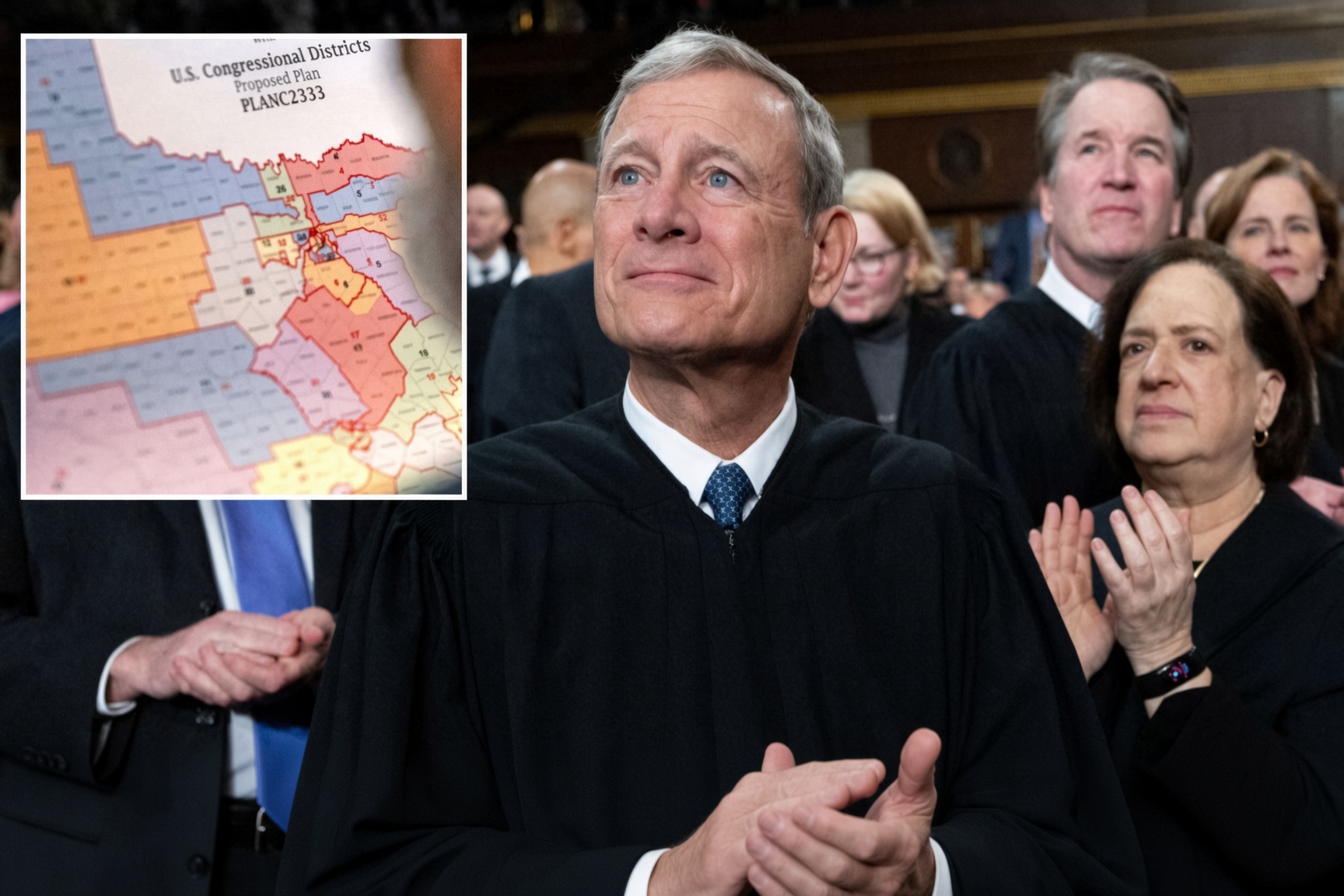
The U.S. Supreme Court ruled 6-3 on Monday to allow Texas to implement a redrawn congressional map, overturning a lower court’s decision that had blocked the redistricting plan.
The decision marks a significant development in the redistricting disputes shaping the 2026 midterm elections. The ruling relied on precedent established in an earlier case but did not explicitly detail the court’s reasoning in its unsigned order.
The Court’s Decision
The Supreme Court found that voting rights groups challenging the map had failed to provide an alternative plan meeting Texas’s political requirements, according to the unsigned order. The court stated the lower court should not have “interfered with an active primary campaign, causing confusion and upsetting the delicate balance between federal and state elections.”
Justices Sonia Sotomayor, Elena Kagan, and Ketanji Brown Jackson dissented from the majority decision. The ruling came after Texas Governor Greg Abbott requested Supreme Court intervention in December to overturn a three-judge panel’s finding that race played too significant a role in the redistricting process.
Voting Rights and Legal Arguments
The Department of Justice had argued to the Supreme Court that Texas’s map changes were driven by partisan objectives rather than racial considerations, potentially violating the Voting Rights Act. Voting rights organizations contended the new map constituted an illegal racial gerrymander.
🚨 BREAKING: Supreme Court hands Republicans a redistricting win by striking down lower court block on Texas map pic.twitter.com/QXHSuip2kl
— Martin Walsh (@martinwalsh__) April 27, 2026
The Supreme Court temporarily approved both Texas and California’s maps in December and February respectively, with each state’s changes offsetting the other’s political advantages ahead of the midterms.
Broader Redistricting Battles
The Texas decision occurs amid nationwide redistricting litigation with significant implications for House control. In Virginia, the state Supreme Court is preparing to hear arguments on a voter-approved redistricting referendum that a lower court has already blocked.
Virginia Circuit Court Judge Jack Hurley Jr. ruled the referendum could not be certified, citing procedural violations in how lawmakers placed the measure on the ballot. The referendum, if implemented, could favor Democrats in up to 10 of the state’s 11 congressional districts, according to political analysts.
Republican officials challenged both the procedural process and the resulting map as an unconstitutional partisan gerrymander. The Virginia Supreme Court must weigh procedural and constitutional arguments under significant time pressure before the 2026 midterms.
This story has been updated. CNN’s Digital Team contributed to this report.