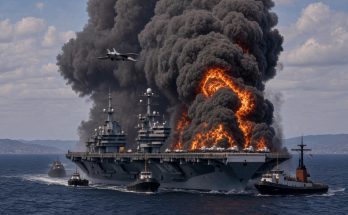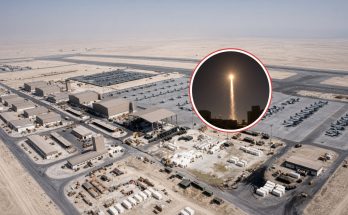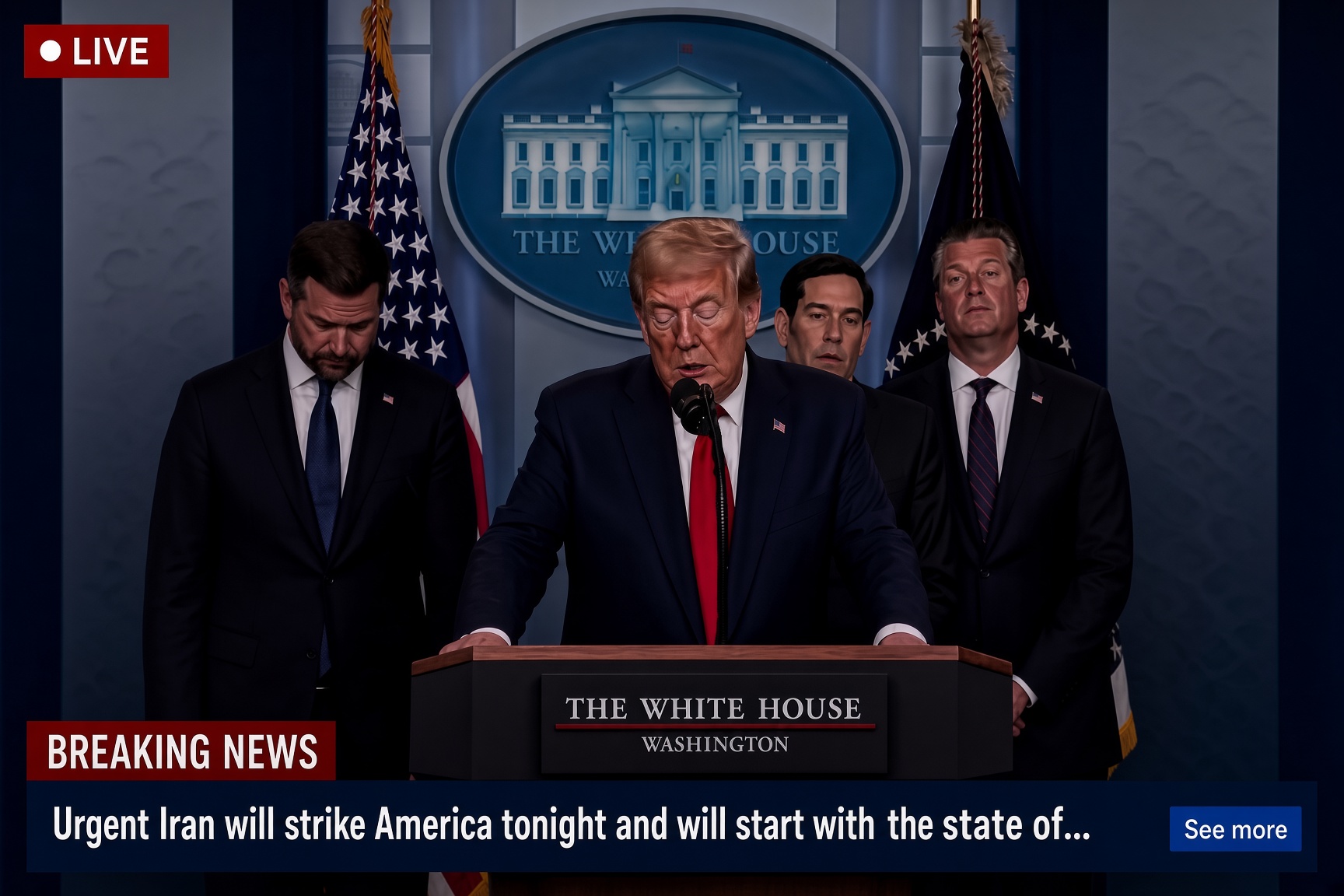
Defense officials across the Middle East are working to verify reports of potential coordinated military action as regional tensions reach critical levels.
Intelligence networks are operating at heightened capacity to assess threats in the region. Military readiness levels have been elevated in response to spreading intelligence about potential strikes.
Security analysts note the difficulty in distinguishing credible threats from misinformation during periods of rapid information flow. Defense departments are operating under the assumption that multiple state and non-state actors could be coordinated in their actions.
Regional Actors in Focus
Iran, Lebanese militant groups, Syrian forces, and various non-state militias all factor prominently into current threat assessments. “The wrong conclusion could trigger a wider conflict; hesitation could invite more attacks,” according to internal briefings reviewed by regional security experts.
Eyewitnesses have reported unusual aerial activity and explosions throughout the region, though official confirmation from government authorities remains limited.
Allied Response and Preparations
Allied nations are preparing contingency plans as the crisis develops. Citizens across the Middle East are tightening security measures at borders and placing air defense systems on heightened alert.
Diplomats are simultaneously urging calm while warning that any military response could escalate the conflict exponentially. “If this situation escalates, multiple nations could be pulled in, willingly or otherwise,” according to security experts monitoring the situation.
Critical Turning Point
The room for miscalculation remains extraordinarily narrow as the region stands at a critical turning point. A palpable sense of urgency permeates military command centers and civilian populations across the area.
This story has been updated. CNN’s International Desk contributed to this report.