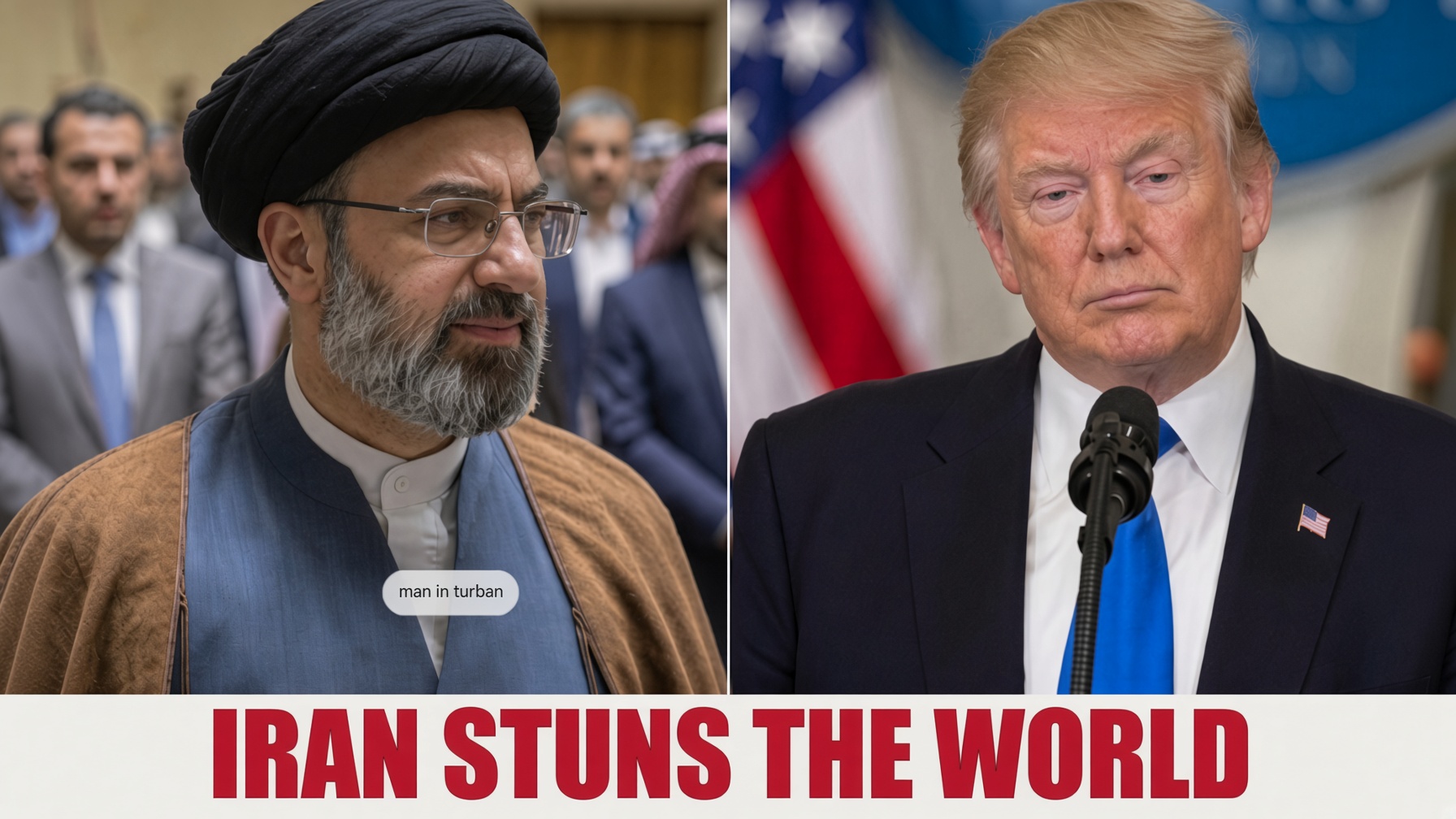
The Trump administration is working to finalize a framework agreement with Iran through ongoing negotiations in Qatar, as military operations continue in the Persian Gulf region.
Secretary of State Marco Rubio stated the administration remains focused on reopening the Strait of Hormuz, describing the waterway’s closure as “unlawful, illegal, unsustainable for the world, and unacceptable.” U.S. and Iranian representatives have engaged in discussions in Qatar, with negotiators working through preliminary agreement language.
Rubio confirmed President Donald Trump’s negotiating position: the United States seeks “a good deal or no deal,” while acknowledging the final document could require additional time to complete.
Military Operations Continue
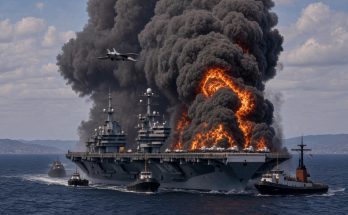
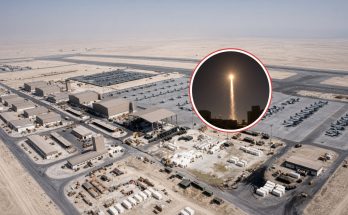
U.S. Central Command announced American forces conducted “self-defense strikes” targeting missile facilities and Iranian vessels near southern Iran. Capt. Tim Hawkins said the operation addressed threats from Iranian surface-to-air missile systems operating near the naval hub of Bandar Abbas.
Military officials stated the strikes were designed to protect American personnel and assets while maintaining the broader cease-fire framework. U.S. aircraft and naval forces operating near the Gulf of Oman and Arabian Sea had faced threats prompting the response.
Negotiations Show Progress
Iranian Foreign Ministry spokesperson Esmaeil Baqaei said Tehran and Washington reached areas of understanding on several issues but cautioned that a final agreement had not been achieved. He accused the United States of shifting positions during negotiations.
According to a senior U.S. administration official, negotiators made progress on a framework requiring Iran to eliminate its highly enriched uranium stockpile, reopen the Strait of Hormuz, and accept major limits on future uranium enrichment activities. The United States would reportedly end its naval blockade and begin phased sanctions reduction in return.
Officials said major political issues have been largely resolved in principle, though technical details, verification procedures, and enforcement measures remain under discussion. Washington prioritizes securing a long-term, verifiable agreement with strong enforcement mechanisms.
The Path Forward
President Trump stated any future agreement would be “good and proper” while continuing to criticize the 2015 nuclear deal negotiated during the Obama administration. He argued the previous agreement provided Iran economic relief without creating permanent guarantees against nuclear weapons pursuit.
The administration believes recent military pressure has increased Iran’s willingness to negotiate. If completed, the agreement would place stricter restrictions on Iran’s nuclear program than the 2015 accord, reflecting the Trump administration’s push for a broader and more enforceable settlement.
This story has been updated. CNN’s international affairs team contributed to this report.