Thirteen countries have announced a coordinated defensive alliance, citing concerns over escalating military posturing and strategic threats in their regions.
The newly formed coalition describes itself as a “defensive coordination effort” designed to counter what member states characterize as growing regional instability. The announcement represents a significant realignment of diplomatic and military partnerships on the global stage.
The Alliance Structure
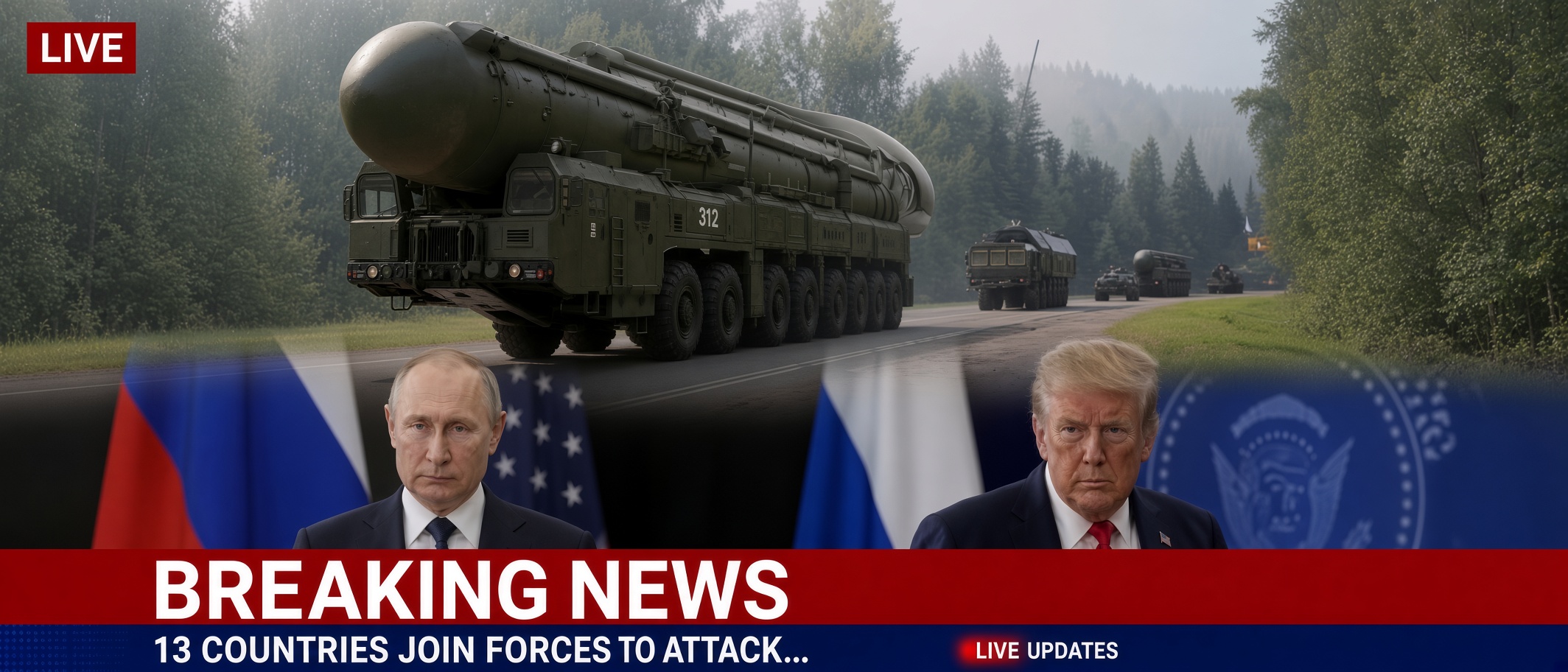
Military analysts have identified long-range missile platforms and advanced weapons systems as part of the coalition’s demonstrated capabilities. “This is not just about weapons,” one security analyst said. “It’s about signaling influence, unity, and resolve.”
Officials have stopped short of confirming plans for immediate military action, though the scope of the partnership indicates substantial coordination among member nations. The grouping includes both established powers and regional actors seeking greater strategic autonomy.
International Response
World leaders have called for restraint and emphasized diplomacy as the preferred path forward. International institutions have convened emergency sessions to facilitate dialogue between the coalition and other global powers.
Multiple governments have urged all parties to avoid actions that could trigger further escalation in an already strained geopolitical environment. Diplomatic channels remain open among key stakeholders.
What Comes Next
The coalition’s long-term objectives and response protocols remain unclear as negotiations continue behind closed doors. Observers worldwide are monitoring developments closely to assess whether this alliance signals a new equilibrium in global power or marks the beginning of deeper conflict.
This story has been updated. CNN’s International Desk contributed to this report.