
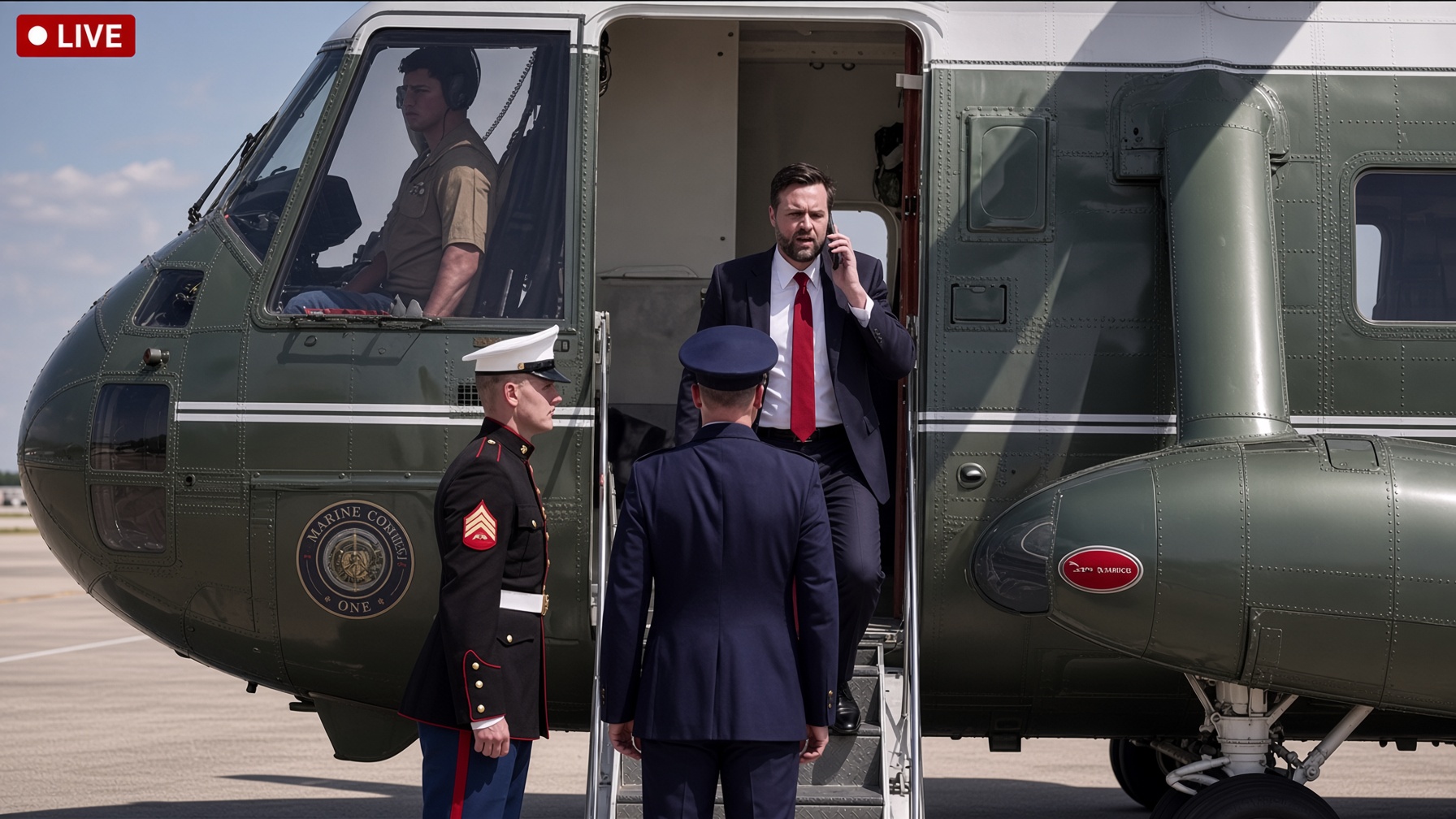
Vice President JD Vance was unexpectedly recalled to the White House on Tuesday, abandoning plans to lead U.S. negotiators in Iran talks scheduled for Islamabad.
Vance had been preparing to travel to Pakistan’s capital for discussions aimed at addressing Middle East tensions. His sudden return to Washington came as uncertainty grew over whether Iranian officials would participate in the planned negotiations.
Diplomatic Mission Uncertainty
The vice president’s unexpected departure from his scheduled diplomatic mission raised immediate questions about the status of the negotiating effort. The precise reason for Vance’s recall remained unclear, but officials suggested the administration was reassessing its approach as it attempted to determine whether meaningful discussions with Tehran could occur.
Vance’s planned involvement would have signaled high-level U.S. commitment to the talks. His absence introduced renewed uncertainty into an already complicated diplomatic process involving multiple parties across the region.
The Uncertainty
Without confirmation that Iranian representatives would attend, prospects for substantive negotiations remained in doubt. U.S. officials faced the challenge of maintaining communication channels while protecting American interests and assessing whether talks could produce meaningful results.
International negotiations involving Iran often depend on rapidly shifting military, political and diplomatic circumstances. Decisions frequently change as new information emerges, complicating efforts to schedule and execute high-level meetings.
What Comes Next
Attention is expected to remain focused on whether talks in Islamabad will proceed and what role the United States will ultimately play in future negotiations. The administration continues reviewing its diplomatic options at what officials characterized as a critical moment in regional tensions.
This story has been updated. CNN’s reporting team contributed to this report.