
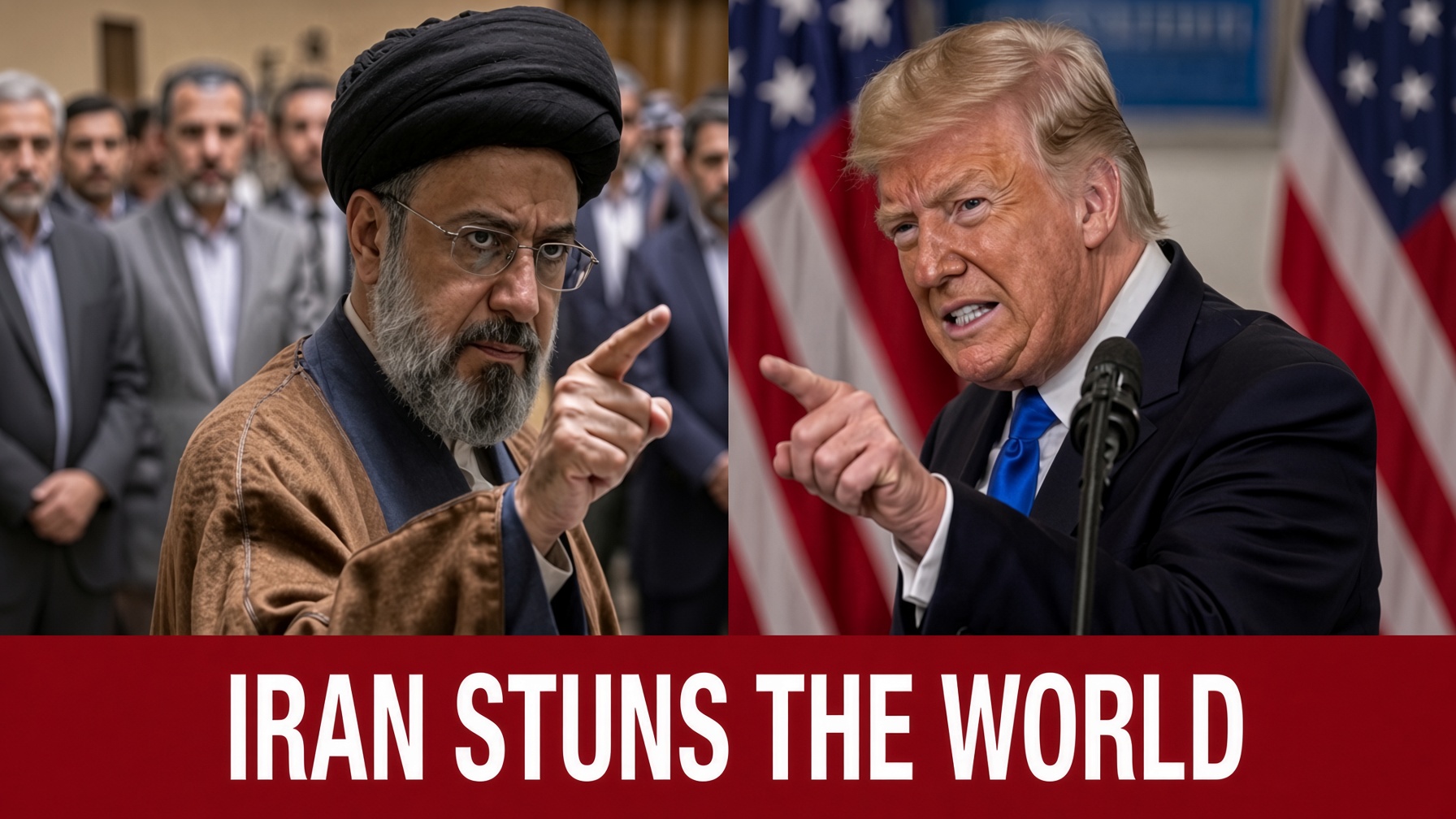
Diplomatic efforts to resolve the prolonged US-Iran conflict have stalled, with military confrontations resuming and economic pressure intensifying as negotiations over the Strait of Hormuz and Iran’s nuclear program reach an impasse.
The Trump administration has maintained focus on the Strait of Hormuz, a critical shipping route for global energy supplies, as central to its confrontation with Tehran. Secretary of State Marco Rubio previously noted discussions involving Iran and Oman regarding safe passage, though he cautioned that broader negotiations over Iran’s nuclear capabilities would prove more challenging.
Negotiations Break Down
Earlier progress in discussions has evaporated, with a cease-fire agreement reached earlier in the year now broken down. The United States continues to maintain naval blockades and stringent sanctions aimed at restricting Iran’s oil exports and foreign currency access, according to reporting from Reuters.
Military operations have resumed alongside the diplomatic standstill. The Associated Press reported that recent American strikes targeted Iranian air-defense systems, radar installations and military infrastructure, followed by Iranian missile and drone attacks against US forces and regional partners.
Economic and Strategic Implications
The renewed tensions have affected financial markets and energy concerns throughout the Gulf region. Regional markets remained cautious as Iran warned of retaliation against further US actions, according to Reuters reporting on Sunday.
US Energy Secretary Chris Wright said Sunday that a new nuclear agreement with Iran appeared unlikely under current circumstances.