KEY TAKEAWAYS
- A teenager received a 452-year prison sentence, sparking nationwide debate over juvenile sentencing practices
- Victims’ families expressed relief, viewing the decision as validation of their suffering and protection for the community
- Criminal justice advocates argue the sentence raises concerns about rehabilitation and the treatment of young offenders
- The case highlights fundamental disagreements about the purpose of the American justice system
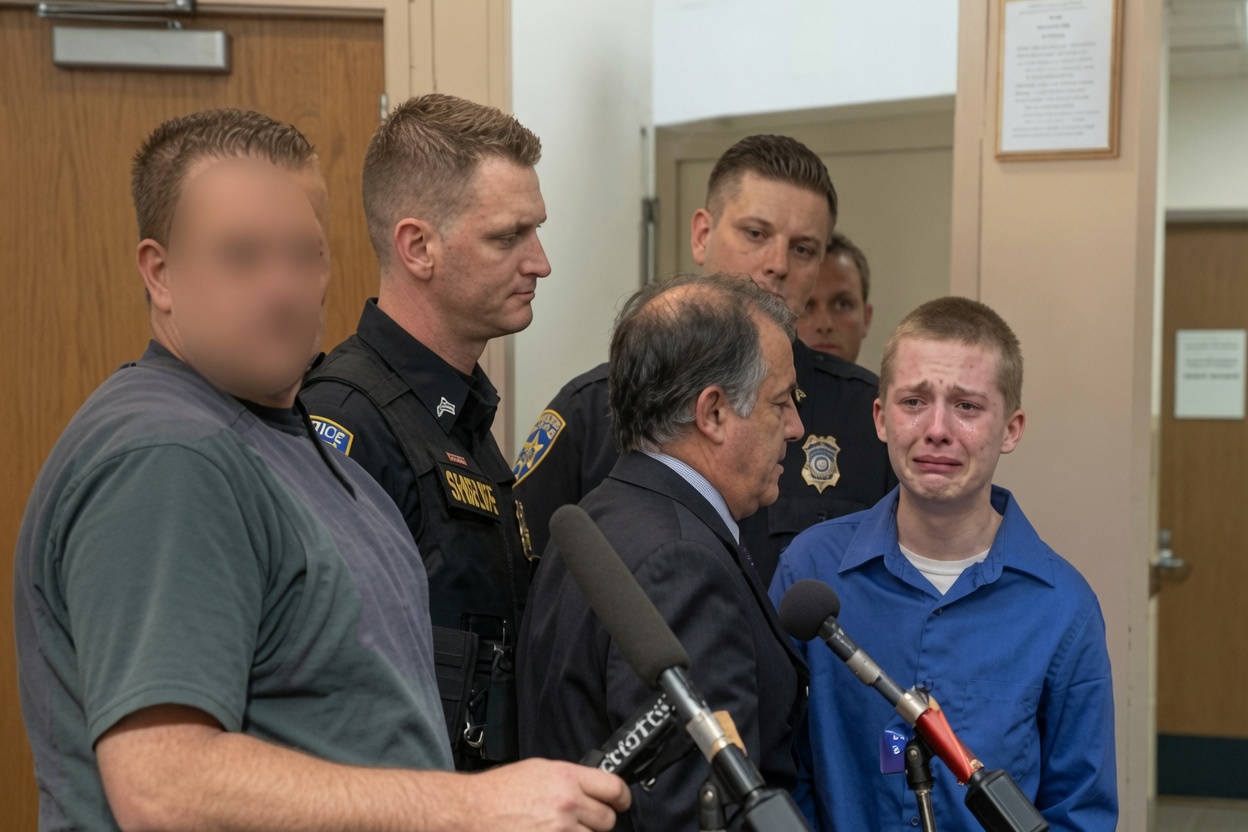
A teenager has been sentenced to 452 years in prison following a serious crime conviction, reigniting a fierce national conversation about juvenile justice, appropriate punishment, and the role of rehabilitation versus retribution in America’s legal system.
Victim Impact and Community Response
The courtroom fell silent as the sentence was delivered. Victims and their families, many of whom had endured unimaginable trauma, wept as they witnessed what they saw as the system finally acknowledging their pain and loss. For these survivors, the lengthy sentence represented more than legal consequence-it symbolized recognition and, critically, assurance that their attacker would pose no further threat to society.
“This sentence brings a measure of closure to our family,” a representative for the victims stated, emphasizing that the decision prioritized community safety and validated the severity of the crimes committed.
Legal and Academic Concerns
Outside the courthouse, a different narrative emerged. Criminal justice scholars, neuroscientists, and legal experts raised serious questions about whether such an extreme sentence reflects sound judicial reasoning or represents an overreaction by a system gripped by fear.
“Adolescent brains continue developing well into the mid-20s,” neuroscience experts noted in commentary on the case, challenging assumptions about a teenager’s culpability and capacity for future change. Faith leaders and rehabilitation advocates similarly contended that sentencing a minor to effectively permanent incarceration abandons any meaningful commitment to redemption or second chances.
Broader Questions About American Justice
The conviction and sentencing have exposed a fundamental divide in how Americans view justice itself. Some argue the system exists to protect citizens and provide closure to victims through decisive punishment. Others contend that justice demands consideration of youth, potential for rehabilitation, and the possibility of redemption-values they say define a civilized society.
Legal analysts warn that extreme juvenile sentences may reflect emotional responses to crime rather than evidence-based approaches to public safety and rehabilitation.
Fox News Digital / CelebBNews contributed to this report.