KEY TAKEAWAYS
- Iran conducted coordinated ballistic missile strikes against U.S. military installations across multiple Gulf nations in what Tehran called “Operation True Promise”
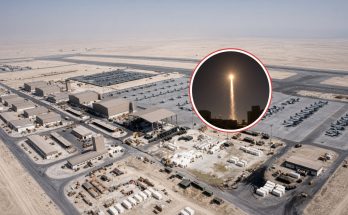
- U.S. air defense systems intercepted numerous incoming threats, but satellite imagery confirmed structural damage to hangars and critical infrastructure at key facilities
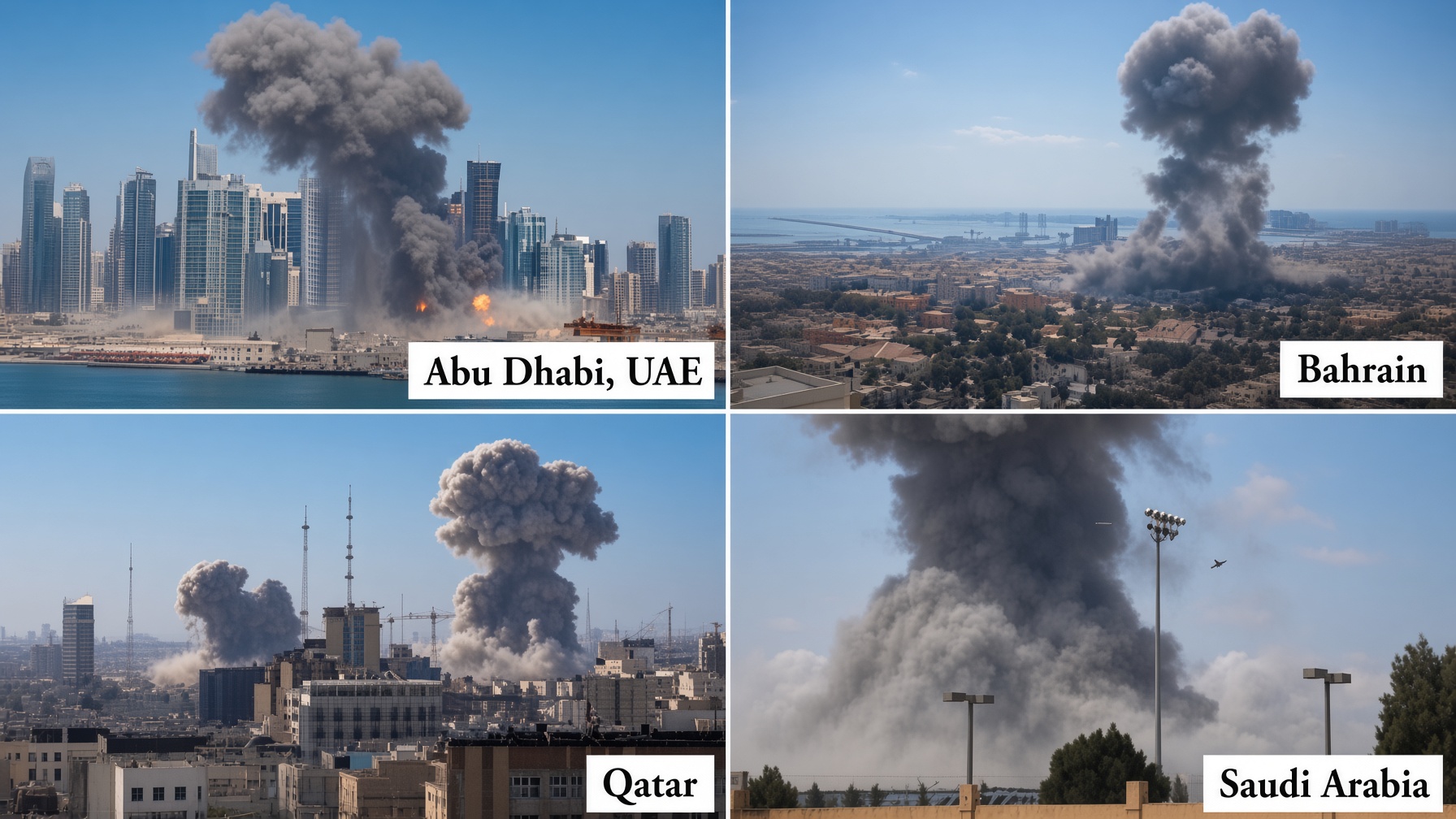
- Four regional allies-UAE, Bahrain, Qatar, and Kuwait-faced direct Iranian fire, prompting emergency protocols and airspace closures
- The escalation marks the latest phase in Iran’s retaliatory campaign, with assessments indicating billions in cumulative damage across the theater since late February
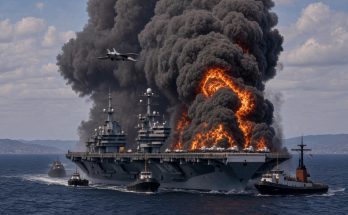
Iran launched a sweeping barrage of ballistic missiles and drones targeting U.S. military bases across the Persian Gulf region, striking facilities in four allied nations and triggering emergency responses from American command centers and regional governments. The coordinated assault, which Tehran designated as part of “Operation True Promise,” represents a dangerous escalation with the potential to drag additional nations into direct conflict.
Scope of the Iranian Strike Campaign
The attack systematically targeted forward-deployed U.S. military infrastructure across the region. At Al Dhafra Air Base near Abu Dhabi in the United Arab Emirates, Iranian ballistic missiles struck with enough force to cause secondary explosions and structural damage to multiple hangars and support facilities, according to satellite imagery analysis. Bahrain’s Al Jufair district, home to Naval Support Activity Bahrain-headquarters of the U.S. Navy’s Fifth Fleet-experienced direct explosions with Iranian media claiming successful hits on naval infrastructure. Qatar activated THAAD and Patriot air defense systems to counter incoming threats, successfully intercepting multiple projectiles despite audible explosions across Doha. Kuwait reported powerful impacts at Ali Al Salem Air Base and Camp Buehring, with damage assessed to runways and storage facilities.
U.S. Military Response and Defense Effectiveness
American and allied air defense systems performed their intended function, intercepting the majority of incoming threats before they reached critical infrastructure. “Our forces employed every counter measure available, and our air defense systems performed as designed,” a U.S. Central Command official stated. However, military assessments acknowledged that some strikes penetrated outer defensive layers, causing measurable damage to buildings, communication systems, and operational facilities. The interception rate prevented what analysts described as a far worse outcome, but the cumulative destruction across more than a dozen affected sites has been quantified in billions of dollars.
Regional Government Actions and Public Safety Measures
The four targeted nations implemented simultaneous emergency protocols. The UAE closed its airspace temporarily and issued directives for citizens to avoid military zones and shelter indoors. Bahraini authorities activated nationwide shelter-in-place advisories as explosions echoed through Manama. Qatar declared a high-alert status, closed national airspace, and instructed residents to remain home and avoid workplaces. Kuwait followed with similar civilian safety guidance. “We urge all nationals and residents to follow official guidance and remain in secure locations,” a Kuwaiti Interior Ministry official said in a statement.
Broader Context and Escalation Pattern
This assault continues Iran’s retaliatory campaign that began in late February 2026, following earlier U.S. and Israeli military actions against Iranian targets. Over the intervening months, Iran has fired thousands of missiles and drones at American and allied positions throughout the Gulf. While warnings and interception capabilities have limited immediate casualties, the cumulative toll includes damaged radars, destroyed aircraft shelters, compromised communication networks, and cratered runway surfaces across the theater. Military analysts warn the pattern demonstrates Iran’s commitment to sustained confrontation despite significant losses.
Strategic Implications and Risk Assessment
Defense experts note the incidents expose vulnerabilities in the forward-deployment posture that underpins American military presence in the world’s most critical energy corridor. “This campaign reveals the challenges of maintaining bases within range of modern adversary capabilities,” a senior defense official observed. The disruptions have rattled regional airspace, triggered oil price volatility, and raised concerns about shipping security through the Strait of Hormuz-a chokepoint responsible for roughly one-third of global seaborne petroleum trade. International observers warn that further escalation risks drawing additional nations into direct military conflict and destabilizing global energy markets with severe humanitarian consequences.
Fox News Digital / CelebBNews contributed to this report.