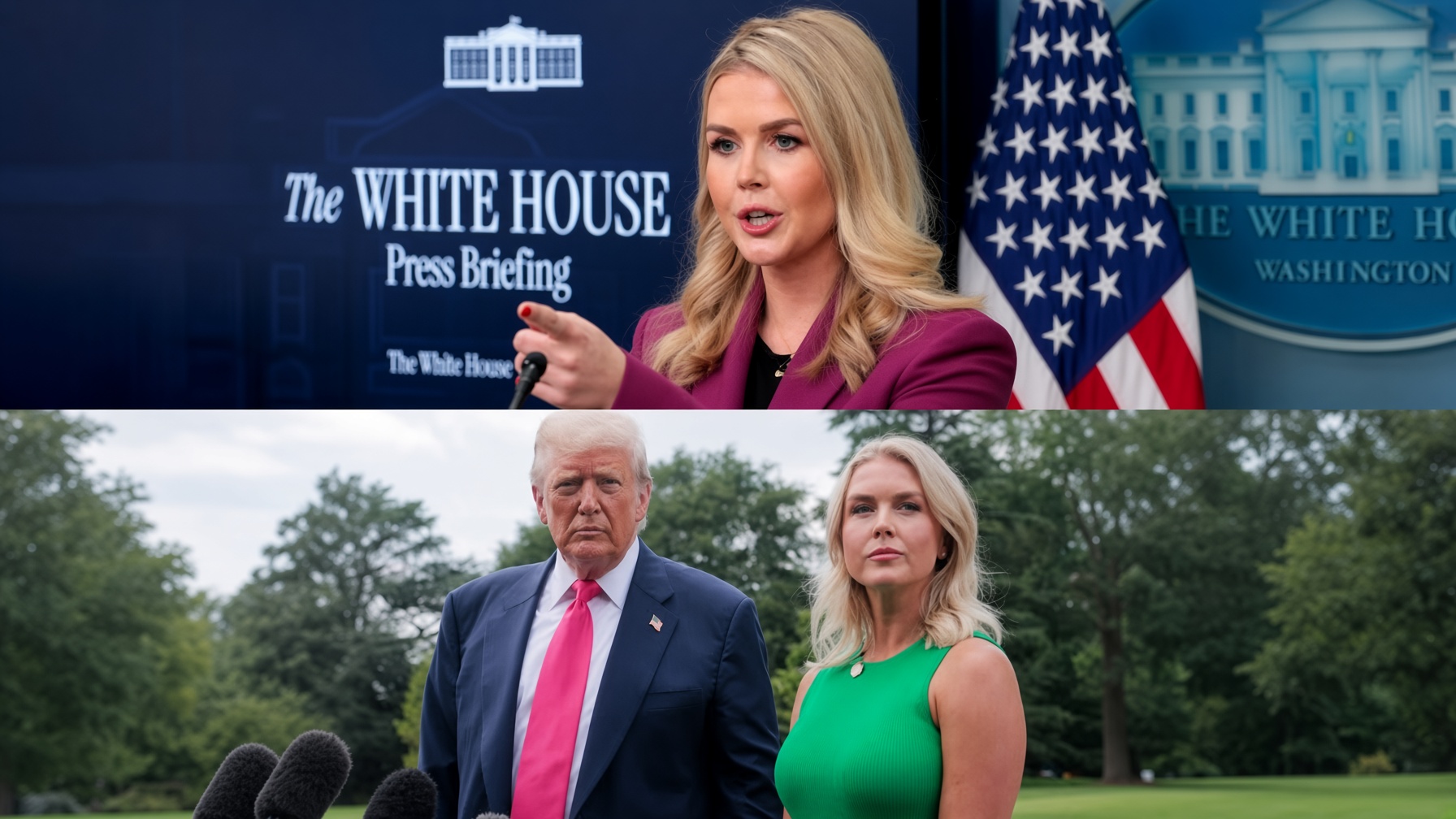
Karoline Leavitt announced her departure as White House press secretary, ending a tenure marked by restricted press access and confrontational briefing room dynamics.
Leavitt served as the administration’s primary communications officer, overseeing daily briefings and media relations from the podium. Her departure comes as the White House shifts its communications strategy.
Briefing Room Restrictions
Leavitt implemented several policies that limited traditional media access. The Associated Press was barred from the briefing room following disagreements over geographic terminology.
The press secretary restructured the front row seating arrangement, prioritizing digital media figures over representatives from established news organizations. This change altered the traditional hierarchy of questioning during briefings.
Leavitt also extended gaps between formal briefings. The White House went 94 days without holding a press briefing at one point during her tenure, according to records.
Confrontational Approach
Leavitt’s briefing room sessions frequently involved tense exchanges with reporters. She dismissed certain questions as unfounded and characterized some news coverage as inaccurate.
During a July briefing, Leavitt declined to answer nine consecutive questions about a specific topic, according to briefing transcripts. She also publicly contradicted her own previous statements when pressed by reporters.
Broader Press Freedom Context
Press freedom rankings for the United States declined during this administration. The country’s standing in international press freedom indices shifted downward, reflecting broader tensions between the White House and media organizations.
Several news outlets faced legal action. Reporters covering certain events experienced detention in some instances.
This story has been updated. CNN’s reporting team contributed to this report.