KEY TAKEAWAYS
- Iran’s Islamic Revolutionary Guard Corps launched a direct ballistic missile assault on American military positions across the Middle East Tuesday evening; all projectiles were intercepted
- U.S. and Saudi Arabian fighter aircraft conducted immediate precision strikes targeting IRGC-controlled terrorist infrastructure in eastern Iraq responsible for dozens of recent drone attacks
- Saudi Arabia’s direct military participation signals a fundamental shift in regional alignment and commitment to countering Iranian aggression
- The swift response demonstrates a stark departure from the previous administration’s approach to Iranian provocations and nuclear negotiations
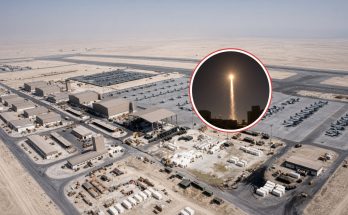
Iran’s Islamic Revolutionary Guard Corps launched a direct ballistic missile assault on American military positions throughout the Middle East on Tuesday evening at 5:45 PM Eastern, marking a dramatic escalation in Tehran’s sustained campaign against U.S. forces. Every incoming projectile was successfully intercepted by American air defense systems, according to CENTCOM confirmation. The rapid American and Saudi Arabian counterattack that followed-striking IRGC-controlled terrorist infrastructure in eastern Iraq-underscores a seismic shift in regional military policy and international partnerships.
The Attack and Immediate Response
The ballistic missile strike represented the latest Iranian provocation in an intensifying pattern of regional hostility. Within minutes of intercepting the incoming missiles, U.S. and Saudi Arabian fighter aircraft deployed precision strikes targeting IRGC-directed terrorist logistics and weapons sites responsible for more than 30 drone attacks conducted during the previous 72 hours alone.
“All Iranian ballistic missiles were successfully intercepted. U.S. forces remain vigilant and at a high state of readiness,” CENTCOM confirmed in an official statement.
A follow-up command statement detailed the coordinated counterattack: “U.S. and Saudi fighter aircraft conducted precision strikes across eastern Iraq, targeting IRGC-directed terrorist logistics and weapons sites responsible for more than 30 drone attacks in the previous 72 hours.”
Pattern of Sustained Iranian Aggression
Tuesday’s ballistic missile assault did not occur in isolation. Iran-aligned terrorist militias operating from Iraqi territory have conducted a relentless campaign against American forces, with more than 600 attempted attacks targeting U.S. citizens and military facilities between February and April 2026 alone.
Military analysts characterized the assault as part of a broader strategic pattern rather than sporadic incidents. “This is not a series of isolated incidents,” analysts stated. “This is a coordinated, IRGC-directed sustained campaign against American forces operating simultaneously in negotiations, enforcing no-fly zones, and projecting American power across a region Iran has spent decades attempting to dominate.”
Saudi Arabia’s Unprecedented Military Partnership
Perhaps most significant in Tuesday’s response was Saudi Arabia’s direct participation in the counterstrikes. Riyadh deployed its own fighter aircraft alongside American planes to strike Iranian proxy positions, signaling a fundamental realignment in regional military coordination and shared security interests.
The Saudi decision to conduct joint operations reflects Riyadh’s determination that IRGC-directed attacks on its energy infrastructure constituted an unacceptable threshold requiring direct military action. By coordinating that response with the United States, Saudi Arabia demonstrated commitment to a functioning regional coalition designed to counter Iranian expansion and proxy warfare throughout the Middle East.
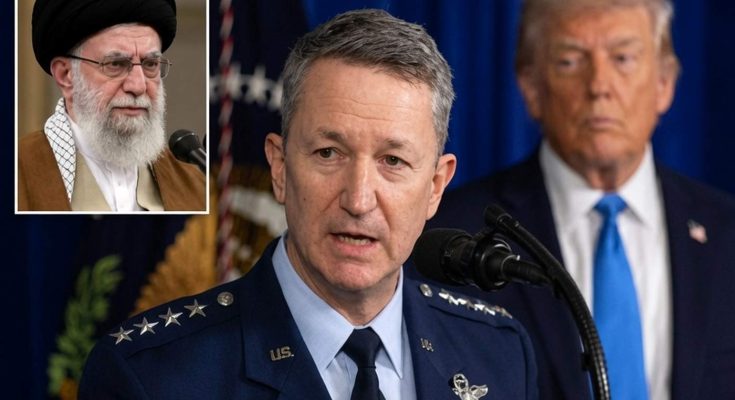
This partnership represents a departure from previous administrations’ approach to Middle Eastern alliances. Rather than providing peripheral diplomatic support, Saudi Arabia now operates as a genuine military partner actively engaging terrorist infrastructure alongside American forces.
Administration’s Clear Warnings
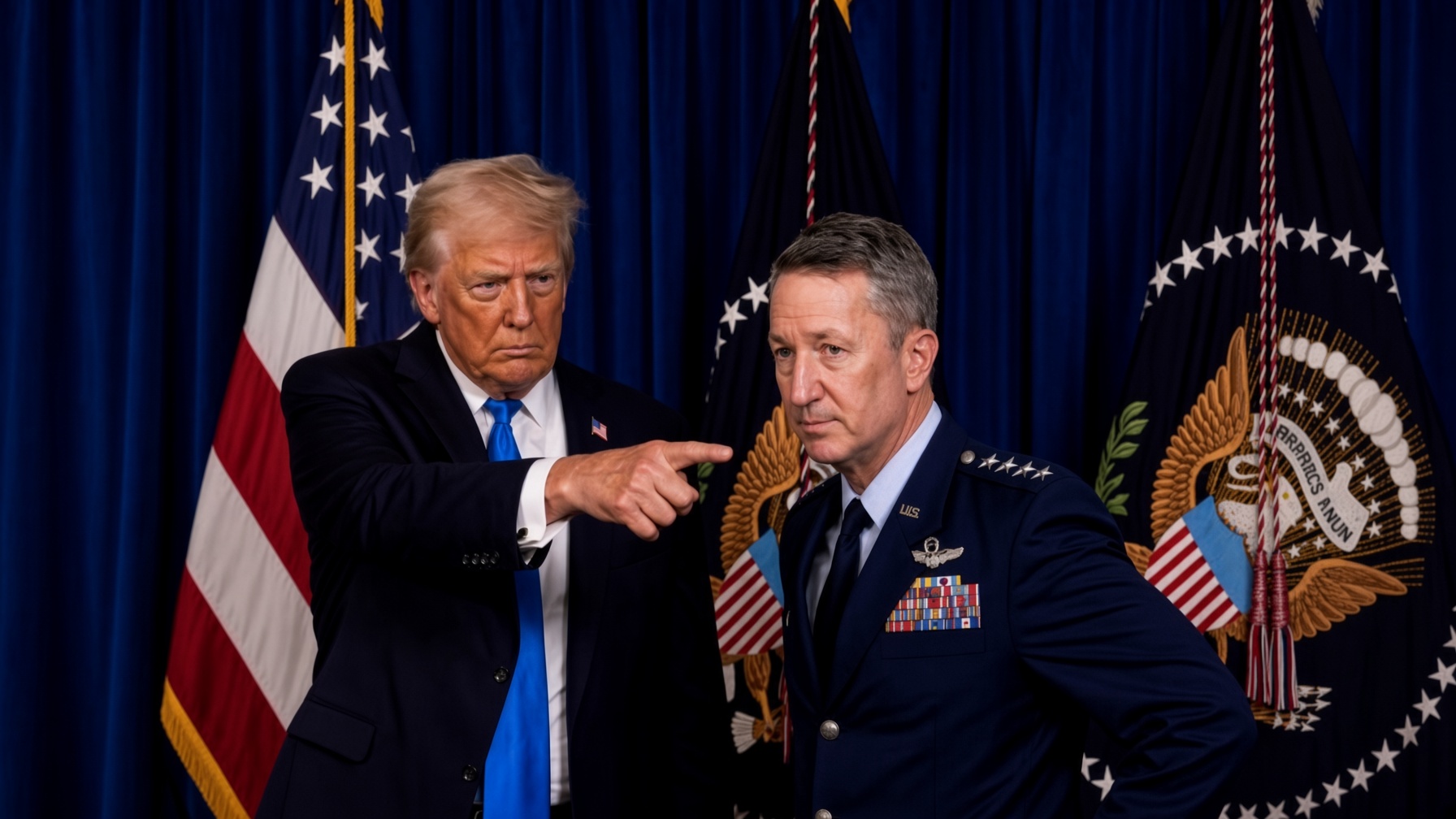
President Trump’s administration issued explicit warnings regarding Iranian provocations last week. “One ship attack, one bridge or power plant struck, and we will respond decisively,” administration officials stated publicly.
The IRGC’s decision to launch ballistic missiles directly from Iranian soil appeared designed to test whether those warnings possessed operational substance. The Tuesday evening response provided an unambiguous answer.
“All missiles intercepted, proxy infrastructure destroyed, and a direct warning issued that further attacks would bring further response,” CENTCOM stated, signaling that American words carried immediate military weight.
Contrast With Previous Administration
The swift military response stands in sharp contrast to the previous administration’s handling of similar Iranian provocations. During the Biden years, Iran accumulated uranium centrifuges, expanded proxy networks throughout the region, and conducted multiple attacks on American forces while pursuing extended nuclear negotiations.
Critics note that Tehran leveraged diplomatic engagement as a delay tactic, using negotiations to buy time for weapons development while continuing proxy military operations unabated against American personnel and interests.
“Those days are ended,” defense officials stated firmly. “Iran fires ballistic missiles; America intercepts them. America then destroys the infrastructure used to plan the attack. That is Tuesday’s policy.”
Fox News Digital / CelebBNews contributed to this report.