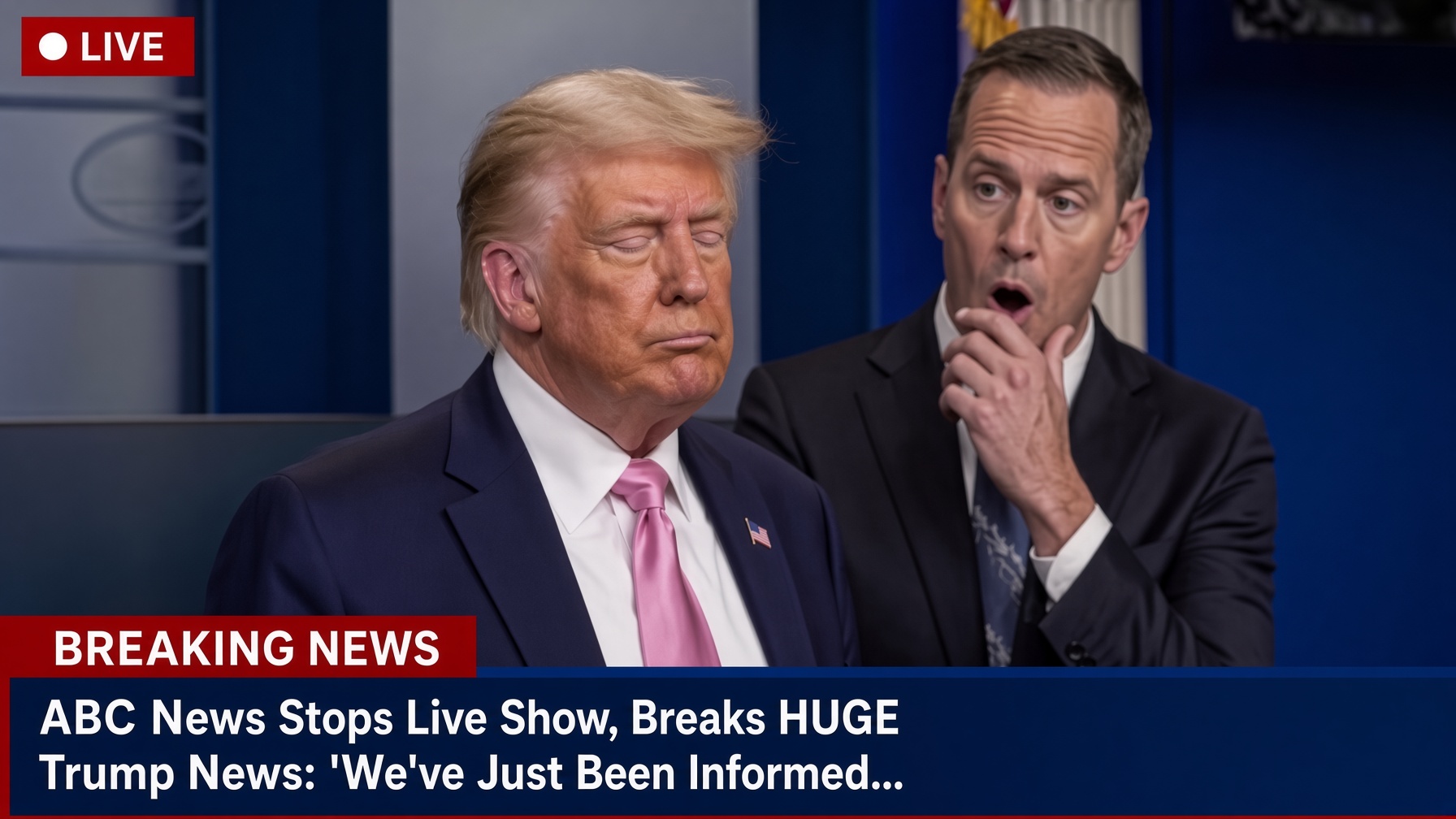
President Donald Trump’s federalization of Washington, D.C., rapidly reduced crime statistics but created a divided response among residents, with some feeling safer while others express concerns about civil liberties and enforcement tactics.
The deployment of federal forces across the nation’s capital transformed the city’s landscape within days, with increased law enforcement presence becoming visible across neighborhoods. Crime data showed measurable declines following the initiative, though the shift sparked complex reactions from the communities affected.
What Changed on the Ground
Residents supportive of the measures reported newfound confidence in public spaces. “For the first time in years, they can walk home without constantly looking over their shoulders,” according to residents who welcomed the federal intervention. Community communication channels that previously circulated crime reports and safety warnings grew noticeably quieter.
The increased federal presence also appeared to accomplish goals that previous policy initiatives had not achieved. Years of debate, public forums, and targeted programs had not produced the same rapid results as the federalization order.
The Growing Concerns
Simultaneously, other residents described experiencing heightened anxiety under the new security framework. Some families began documenting vehicle information and establishing contingency plans in response to the federal operations.
Immigrant communities reported particular reluctance to engage with authorities, with families increasingly hesitant to answer doors or interact with law enforcement due to immigration enforcement concerns. Community advocates documented these behavioral changes across affected neighborhoods.
Operational confusion also emerged within law enforcement ranks. Local officers privately expressed uncertainty regarding command structure and jurisdictional authority as federal agencies, municipal police, and specialized task forces operated in close proximity.
The Broader Debate
The initiative sparked national conversation regarding the relationship between security measures and civil liberties protections. The situation raised fundamental questions about how law and order function within democratic systems.
Washington now faces a defining question about whether security achieved through expanded enforcement and increased surveillance aligns with democratic principles and community trust in institutions.
This story has been updated. CNN’s reporting team contributed to this report.