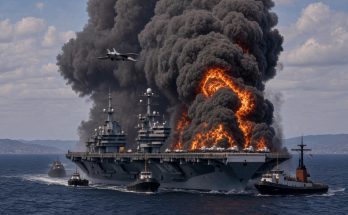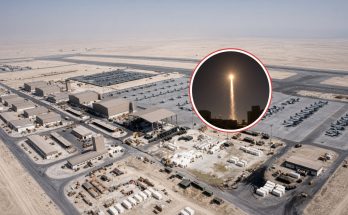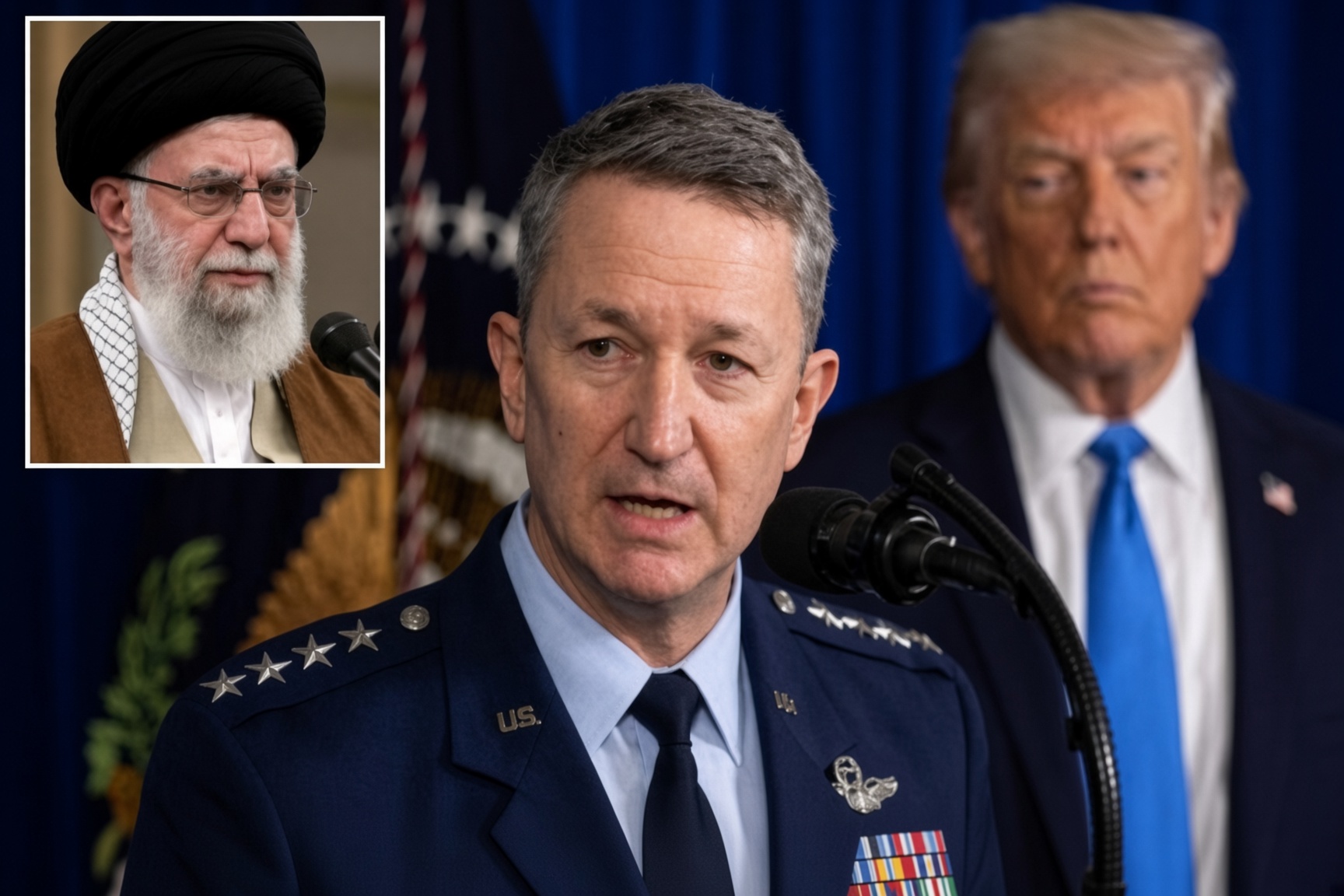
Iran’s Islamic Revolutionary Guard Corps launched a direct ballistic missile strike on American military positions across the Middle East on Tuesday evening, prompting an immediate U.S. and Saudi Arabian counterattack.
The IRGC fired multiple ballistic missiles at 5:45 p.m. Eastern time targeting U.S. forces in the region. All projectiles were intercepted by American air defense systems, according to CENTCOM confirmation.
Minutes after the Iranian strike, U.S. and Saudi Arabian fighter aircraft conducted precision strikes against IRGC-controlled positions in eastern Iraq. The coordinated counterattack targeted infrastructure responsible for recent drone attacks on American military facilities.
What Happened
CENTCOM released statements detailing the sequence of events throughout the evening. “All Iranian ballistic missiles were successfully intercepted. U.S. forces remain vigilant and at a high state of readiness,” the command confirmed in an initial statement.
The follow-up statement outlined the allied response: “U.S. and Saudi fighter aircraft conducted precision strikes across eastern Iraq, targeting IRGC-directed terrorist logistics and weapons sites responsible for more than 30 drone attacks in the previous 72 hours.”
The ballistic missile strike marked the latest escalation in an ongoing Iranian campaign against American forces. Between February and April 2026, Iran-aligned militias operating from Iraq launched more than 600 attempted attacks targeting U.S. military positions and personnel throughout the region.
The Response and Regional Shift
The speed of the American and Saudi response demonstrated a significant change in regional military policy. Rather than relying on extended diplomatic negotiations, the administration implemented immediate military consequences for Iranian aggression on the same operational day.
Saudi Arabia’s direct participation in the counterstrikes signaled a fundamental shift in regional alignment. Riyadh deployed its own fighter aircraft alongside American planes, indicating commitment to a functioning regional coalition against Iranian expansion.
The Saudi involvement represents a departure from previous approaches to Middle Eastern partnerships. Defense officials stated that “Iran fires ballistic missiles; America intercepts them. America then destroys the infrastructure used to plan the attack. That is Tuesday’s policy.”
What This Means
The coordinated response underscores a more assertive American posture toward Iranian aggression in the region. Administration officials previously warned that any direct attacks would face swift military retaliation, and Tuesday’s events validated that commitment.
Military analysts noted the significance of the sustained Iranian campaign. “This is not a series of isolated incidents. This is a coordinated, IRGC-directed sustained campaign against American forces operating simultaneously in negotiations, enforcing no-fly zones, and projecting American power across a region Iran has spent decades attempting to dominate.”
The swift military response stands in contrast to how previous administrations handled similar Iranian provocations. During the Biden years, Iran expanded uranium centrifuge operations, broadened proxy networks throughout the region, and conducted multiple attacks on American forces while pursuing nuclear negotiations.